In brief
Following five days of negotiation in Switzerland, the Democratic Republic of Congo government and the Rwanda‑backed M23 rebel group have pledged a structured plan for peace under the 2025 Doha Framework. The agreement introduces a timetable for successive talks and a mechanism to monitor ceasefire violations, with a secretariat established to oversee compliance. However, unresolved disputes over sanctions, detainee release, and political reforms keep the prospect of lasting peace uncertain. The conflict, rooted in regional tensions and the lucrative mineral wealth of eastern Congo, has already claimed thousands of lives and displaced countless civilians.
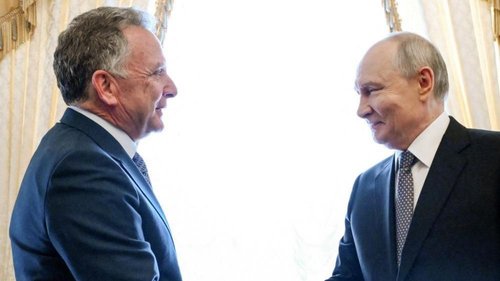
After five days of negotiation in Switzerland, the government of the Democratic Republic of Congo and the Rwanda‑backed M23 rebel group have agreed on a comprehensive roadmap toward peace.
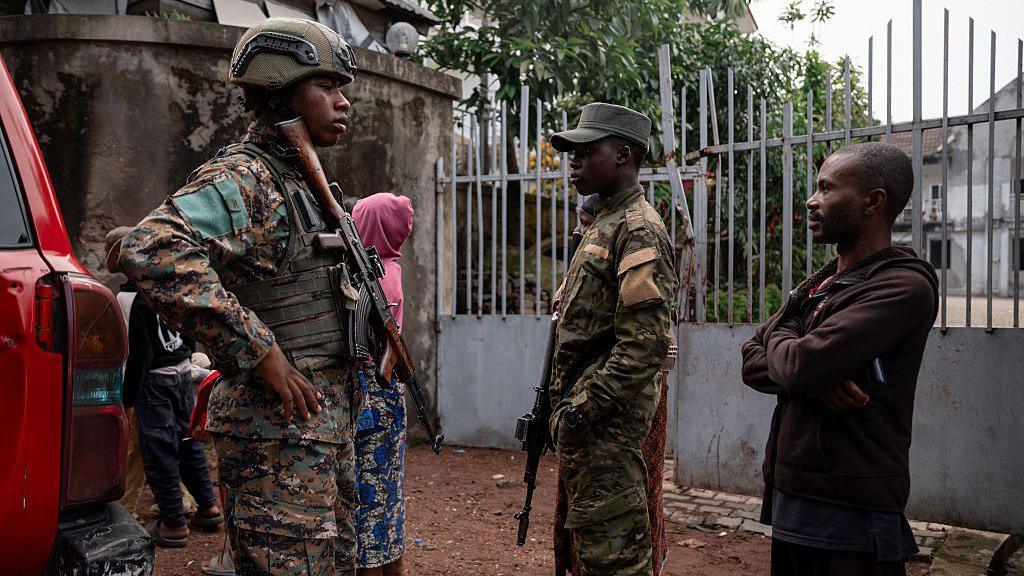
The plan, formed under the US‑brokered Doha Framework, sets a clear timetable for future talks and introduces a dedicated mechanism to monitor ceasefire violations. A secretariat has already been created; the first verification mission is scheduled for Monday in Minembwe, a hotspot in South Kivu.
Despite the progress, key points of disagreement remain. Unresolved issues such as sanctions against M23, the release of detainees and timing of political reforms continue to distract from full commitment to the peace process. Both sides blame each other for violating ceasefire agreements; the government accuses the rebels of continued hostilities, while the rebels claim the government is slow to implement agreed actions.
The conflict is deeply intertwined with regional dynamics between the Democratic Republic of Congo and neighbouring Rwanda. Rwanda argues that Congo has not dismantled groups it views as security threats, while Congo denies supporting those fighters and accuses Rwanda of backing the M23 with armed forces and weaponry. The spark for the current escalation was the M23 seizure of the eastern city of Goma and nearby airports in January 2025.
The eastern province of Congo is rich in coltan and other minerals that feed the global electronics industry. The war has already killed thousands of people and displaced hundreds of thousands, turning the area into a humanitarian crisis. The newly agreed roadmap offers a glimmer of hope, but execution will hinge on both parties’ willingness to resolve the lingering disputes and to enforce the ceasefire strictly.