In brief
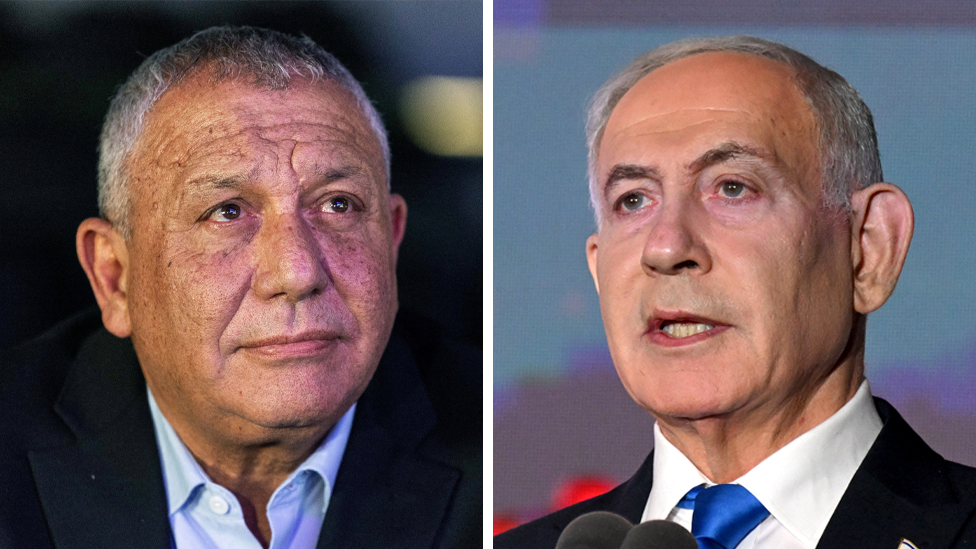
Israel’s 27 October election will determine the leader of a country still reeling from the October 2023 Hamas attacks. Incumbent Benjamin Netanyahu faces a tight contest against former IDF chief Gadi Eisenkot, whose recent rise to power is grounded in military reputation and public demand for accountability. Key issues include security, conscription of ultra‑Orthodox Jews, judicial reform and the future of Israeli settlements in the West Bank. The outcome will shape the fate of Palestinians in Gaza and the occupied West Bank, as both camps favour the US‑backed Trump plan but diverge on settlement policies.
Israel’s 2026 Election: Contenders, Process and Consequences for Palestinians
Israel’s general election takes place on Tuesday 27 October. It is the first vote after the 7 October 2023 Hamas‑led attacks and the subsequent conflict in Gaza, as well as clashes with Iran, Hezbollah and the Houthis. Many view it as one of the most pivotal elections in Israel’s history, with global implications.
Who are the main contenders?
Polls put incumbent Benjamin Netanyahu in a tight race with Gadi Eisenkot, a former IDF chief, for the premiership. Eisenkot’s popularity stems from his military credentials, his relative novelty in politics – having founded the Yashar Party last year – and his criticism of the security failures that led to 7 October. He has built a campaign around accountability and plans for a proactive defense strategy. Other opposition figures include former prime ministers Naftali Bennett and Avigdor Lieberman, who are right‑wing and push for permanent control over the West Bank, and left‑wing Yair Golan, who supports a large‑scale withdrawal. Though ideologically varied, these leaders could collaborate with Eisenkot to form a government. Netanyahu’s current coalition is the most right‑wing in Israel’s history, and he will likely need support from far‑right partners who advocate annexation and even forced displacement of Palestinians. Two Arab party blocs also participate, but most top Jewish parties have ruled out cooperating with them, potentially leaving them as kingmakers.
How do the elections work?
Israel’s Knesset has 120 seats, meaning a government must control at least 61 for a majority. The country uses proportional representation, so multiple parties are always represented and coalitions are necessary. After the vote it may take weeks or even months for a government to be formed, as parties negotiate concessions. If no majority bloc emerges, a minority government could take power.
What are the main issues?
Security dominates debate – Netanyahu portrays himself as “Mr Security”, citing strategic victories since 2023, while challengers accuse him of failing to prevent 7 October’s attacks that killed about 1,200 people and took 251 hostages to Gaza. Conscription of ultra‑Orthodox Jews, loyal to religious study, has become a divisive policy. Judicial reform, a flagship of Netanyahu’s government, has drawn protests, with critics warning it could undermine judicial independence and democracy. The cost of living, especially rising food and housing prices, remains a key concern.
What does it mean for Palestinians in Gaza and the West Bank?
Israel still carries out near‑daily strikes in Gaza, claiming to target Hamas operatives, and it controls more than half the territory. Since the ceasefire, 74,000 people have been killed in Israeli attacks according to Hamas‑run health figures. In the West Bank, settler violence and settlement expansion—illegal under international law—are at record highs. Palestinians’ lives depend heavily on Israel’s political direction. While both Netanyahu and Eisenkot support the Trump peace plan, Eisenkot has pledged to end Hamas rule in 18 months and opposes the controversial E1 settlement expansion, whereas Israel’s most right‑wing camp pushes for continued expansion. None of the leading Jewish parties campaigned on a two‑state solution; Netanyahu’s opposition to it has deepened over years, leaving the future of a Palestinian state uncertain.
When will we know the results?
At 22:00 local time on election day, broadcasters will publish exit polls. Preliminary results are expected the next day, with official results due on 4 November. President Isaac Herzog will invite the leader most likely to form a government; the process can take more than a month, and failing that, new elections may be called. Between 2019 and 2022, Israel held five separate elections due to coalition difficulties.