In brief
A rise in human metapneumovirus (HMPV) cases, particularly among children in Beijing, has prompted public health discussions. Experts reassure that while HMPV can cause illness, it is not as severe as recent pandemic threats, and seasonal trends play a significant role in its spread.
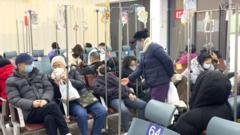
In recent weeks, Beijing has witnessed a notable increase in cases of human metapneumovirus (HMPV), particularly among children, which health authorities attribute to seasonal factors. The outbreak sparked considerable social media attention, with images depicting crowded hospitals, raising fears of a potential pandemic-like scenario. However, public health experts stress that HMPV, a virus known for causing flu-like symptoms, is distinct from Covid-19. First recognized in 2001 in the Netherlands, HMPV is mostly responsible for mild upper respiratory infections, presenting symptoms such as coughing, fever, and nasal congestion. The virus is highly transmissible, spreading through direct contact or via surfaces contaminated by infected individuals. While most people experience mild symptoms, young children and those with compromised immune systems face a higher risk of severe illness. According to Dr. Hsu Li Yang, an infectious diseases physician, a small percentage of these at-risk groups may require hospitalization due to more serious respiratory issues caused by the virus.Seasonal spikes in HMPV instances correlate with late winter and early spring, as cooler temperatures facilitate its transmission. The ongoing rise in HMPV cases in northern China aligns with this trend, and experts note that similar patterns are observed in various northern hemisphere countries, including the US and UK, where cases have surged since October. Despite the increasing prevalence, epidemiologists like Jacqueline Stephens from Flinders University suggest that the current situation reflects typical seasonal variations rather than an alarming outbreak.Concerns about a Covid-19-like pandemic stemming from this recent surge appear exaggerated. Experts clarify that pandemics typically emerge from novel pathogens, while HMPV has been present globally for many years. Consequently, populations have developed some degree of immunity through previous exposures. As Paul Hunter, a medical professor, notes, nearly every child will have been infected with HMPV by age five, and reinfections through life are expected. Dr. Hsu recommends implementing general preventive measures: wearing masks in crowded places, maintaining good hand hygiene, and receiving the flu vaccine, particularly for those at heightened risk from respiratory illnesses. While vigilance is necessary, the overall assessment encourages public calm, emphasizing that there are no immediate indications of an escalating global health crisis linked to HMPV.