In brief
In the Shirka district of Ethiopia’s Oromia region a violent assault on Christian residents has claimed more than 60 lives, a senior church official said. The ambush, carried out without warning, was followed by a delayed response from security forces. Local authorities have blamed the newly formed Alliance for Survival, which includes the Oromo Liberation Army, while the group has denied involvement. The church highlights the burning of twenty homes and the death of five children, adding its condemnation to a broader pattern of religious attacks in the area. Human rights reports show this is the most deadly incident in several years of ongoing conflict.
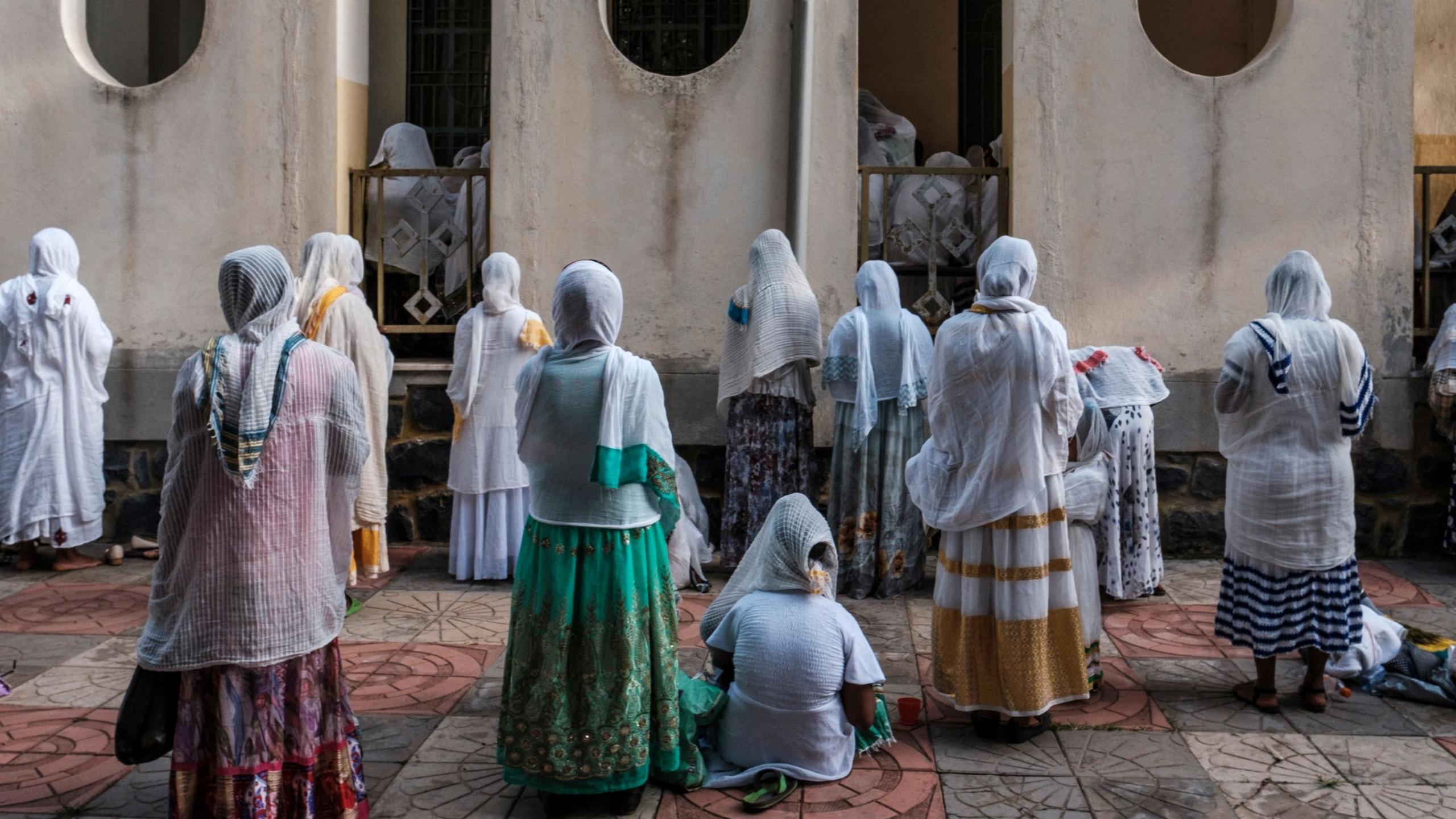
An armed attack in the Shirka district of Ethiopia’s Oromia region has killed more than sixty residents who belong to the Ethiopian Orthodox Tewahedo Church, according to a senior church official.
Witnesses described the assault as an ambush: the victims were surrounded from all sides and were caught entirely off guard. The regional government said it would pursue accountability for the attackers.
A local government official blamed the recently formed Alliance for Survival – which includes the Oromo Liberation Army – for the raid. The group has not issued a statement and denies responsibility for the episode.
In a statement, the Holy Synod said twenty houses in the area were burned to the ground. Security forces arrived shortly after the attack but could not stop the destruction. Among the dead were five children, and the church said the violence is part of a pattern of attacks against Christian communities in the region.
Reports from the Ethiopian Human Rights Council show that over the past four years the Shirka district has suffered 458 killings in religiously motivated assaults. The current incident is the most lethal in that period, the council noted.
The government has previously accused the Oromo Liberation Army of carrying out attacks that destabilise the country, a claim the group has disputed. Past attacks have also targeted Muslim communities, indicating the conflict’s ethnic and religious dimensions.