MONTGOMERY, Ala. (AP) — A coalition of students and professors across Alabama's public universities has taken their fight to an appeals court, seeking to overturn a state law that prohibits diversity, equity, and inclusion (DEI) initiatives in public schools. This law, enacted in October 2024, aligns with a national trend led by Republican legislators targeting DEI programs.
The Alabama statute forbids public educational institutions from utilizing state funding for programs that endorse 'divisive concepts' concerning race, gender, and other related topics. It also prevents educators from inducing feelings of guilt in students based on their inherent characteristics.
U.S. District Judge David Proctor has upheld the law, arguing that it does not completely bar discussions around these concepts in educational settings, as long as they are approached objectively. Proctor noted that academic freedom cannot override institutional policies regarding curriculum content.
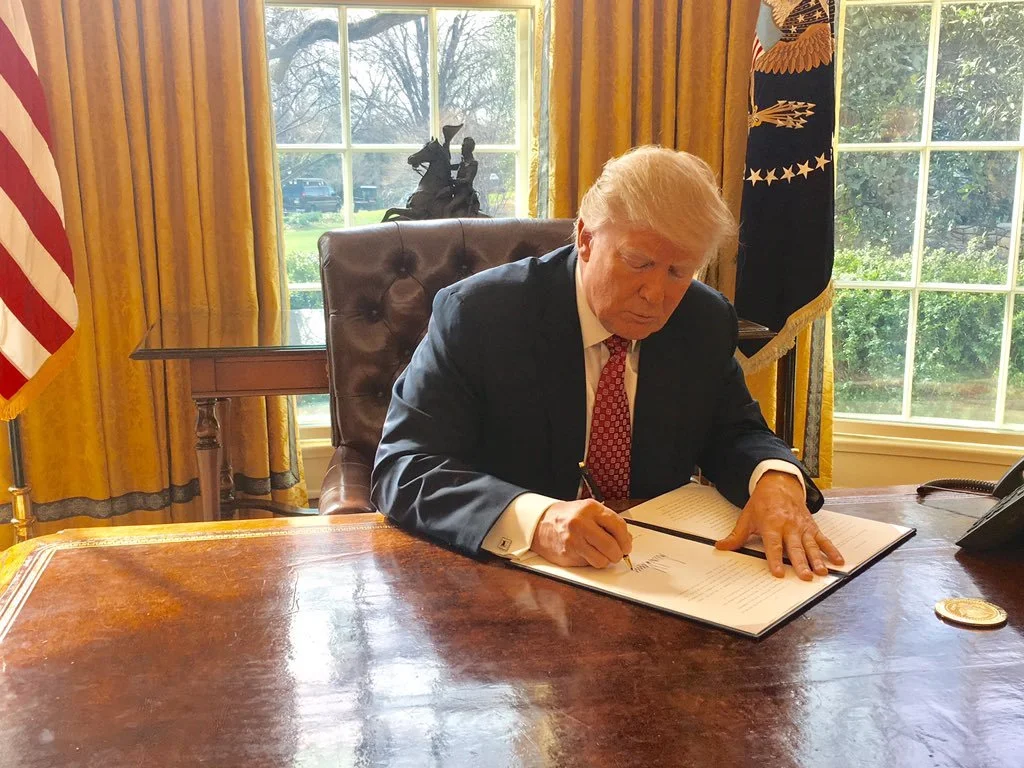
The appeal is set against the backdrop of a July directive from the Department of Justice, which mandates similar policies across public schools nationwide. In 2025, numerous student groups have disbanded, educators have faced disciplinary actions, and various aspects of academic curricula have been altered in response to this law.
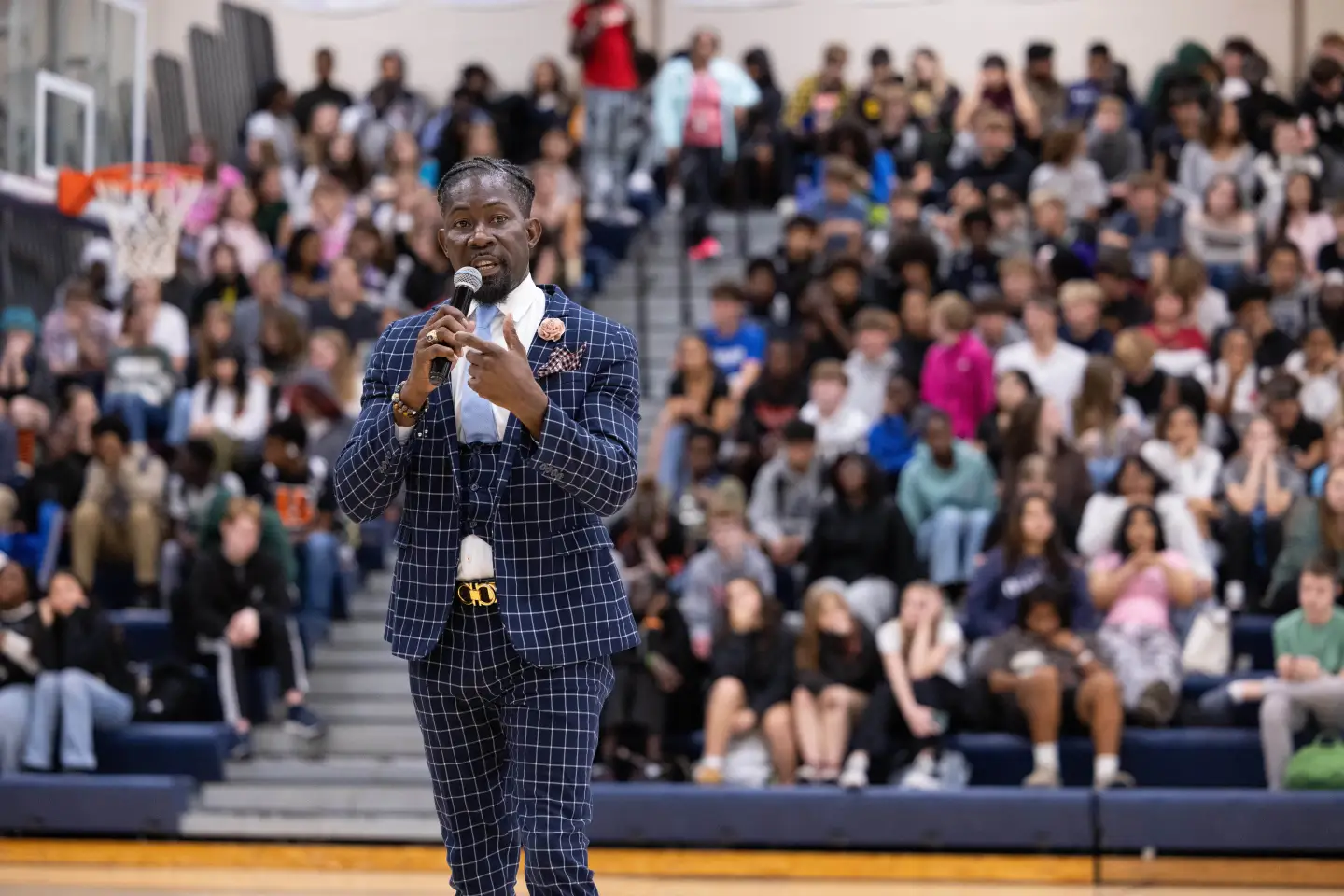
Antonio Ingram, a lawyer representing the plaintiffs, argues that the law's ambiguous language could result in frivolous investigations and inhibit professors' abilities to showcase well-established research. The law risks turning universities into state propaganda tools rather than institutions grounded in factual evidence and independent thought, Ingram stated.
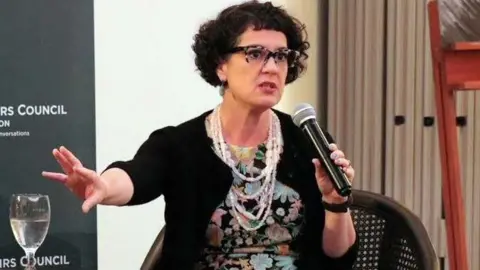
Instructors like Dana Patton, who teaches political science at the University of Alabama, shared their challenges adapting their courses to comply with the law. Patton highlighted that the threat of misinterpretation of her teaching as endorsement of specific views led her to remove certain topics from her syllabus to minimize risk of complaints.
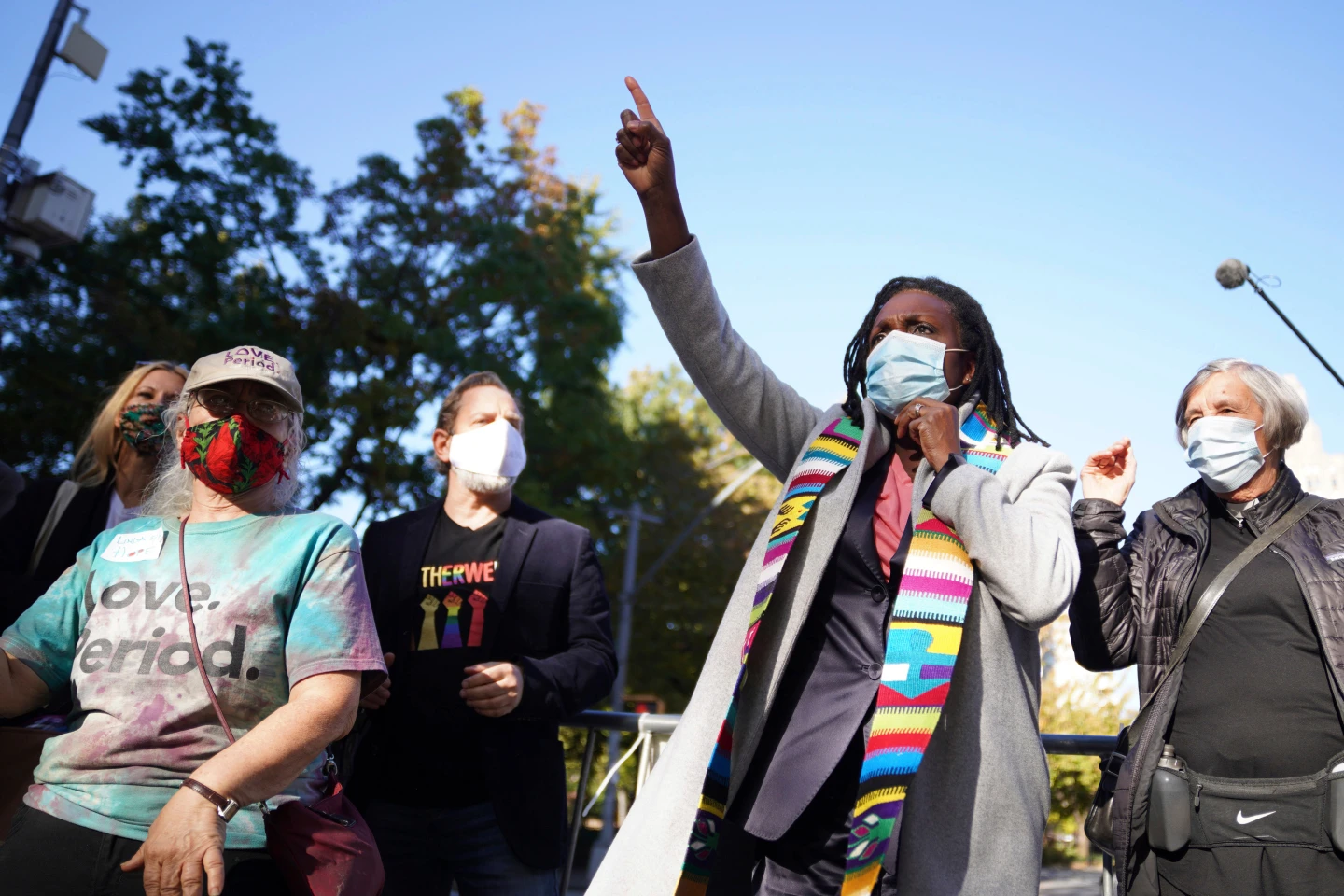
Critics assert that if this law is allowed to persist, it could fundamentally alter the educational landscape in Alabama, limiting discussions to officially sanctioned narratives and suppressing diverse perspectives necessary for academic growth.