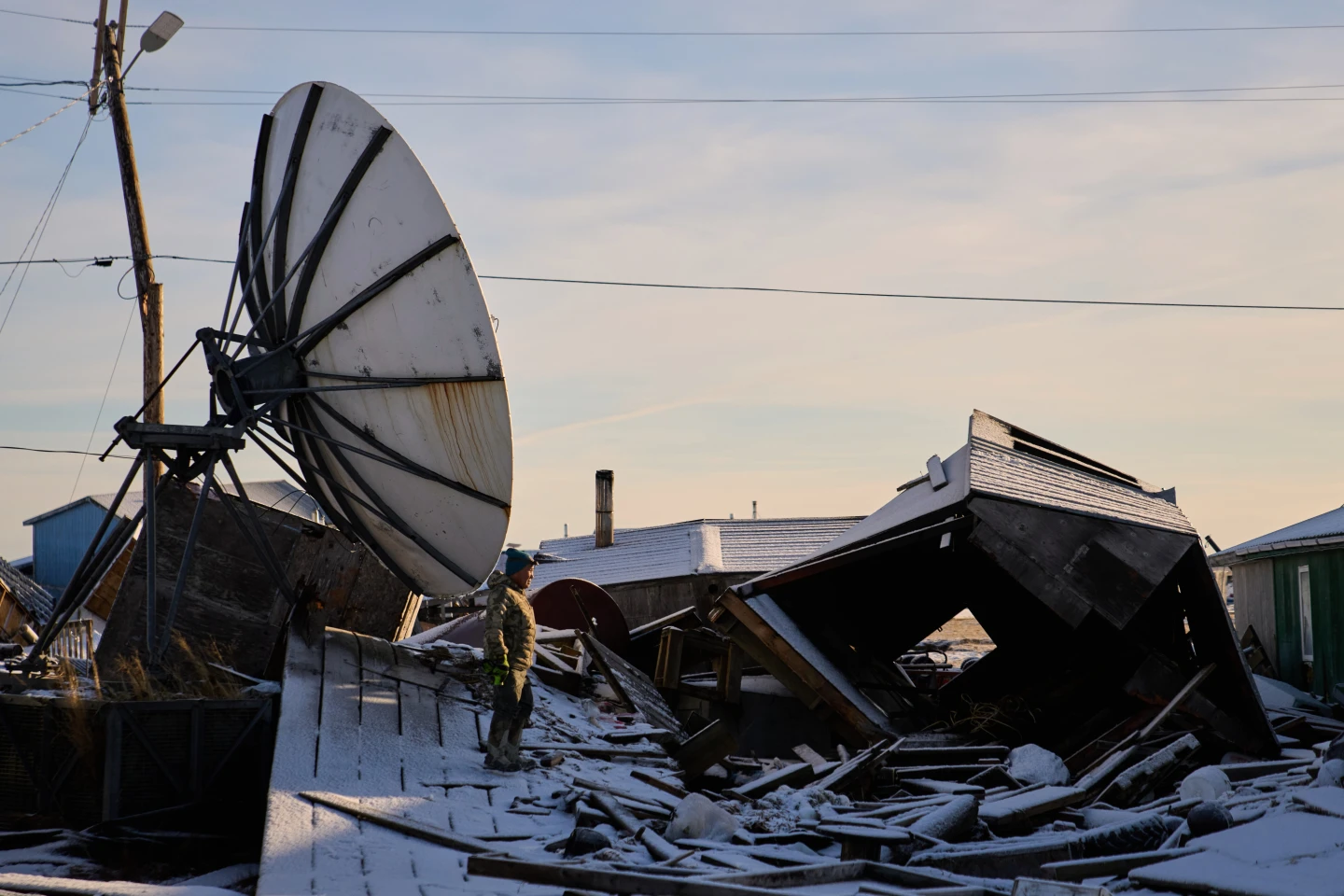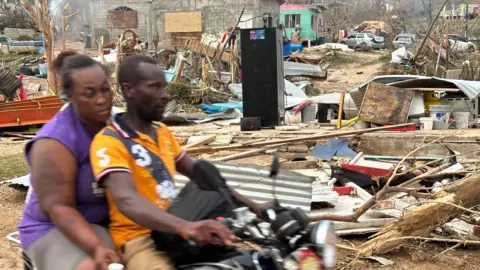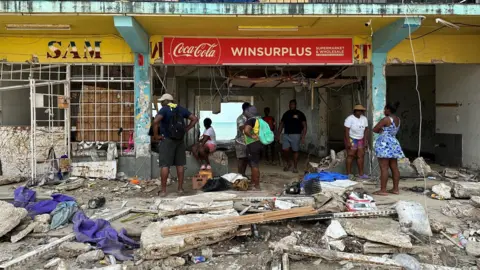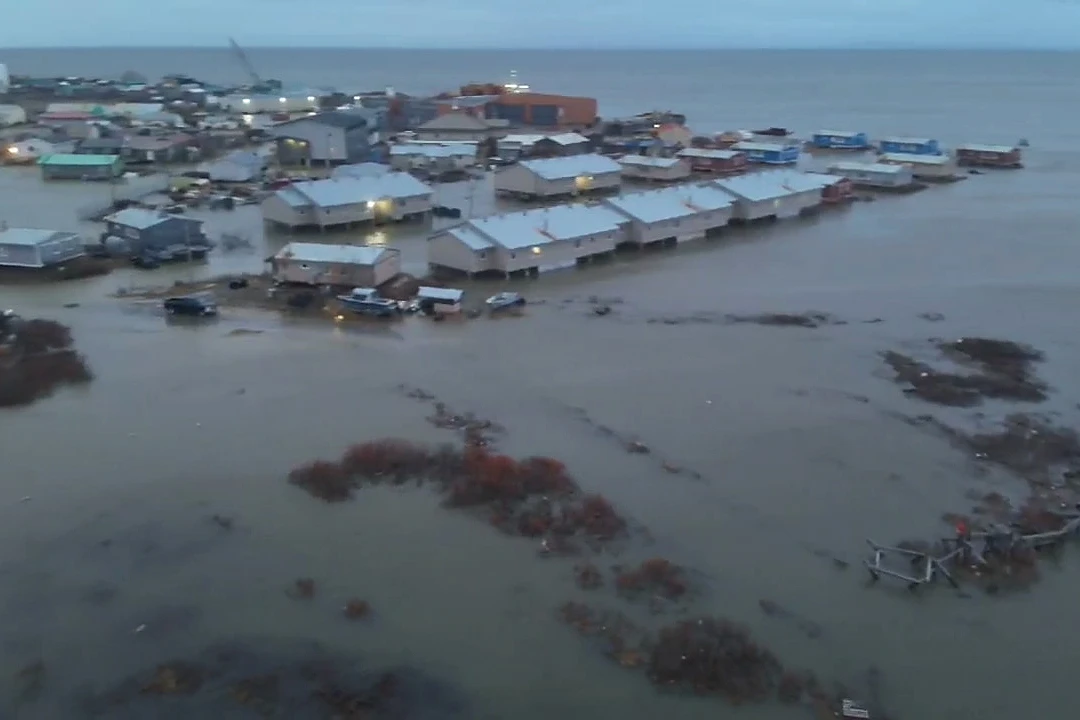
JUNEAU, Alaska (AP) — Following the devastation wrought by the remnants of Typhoon Halong, officials in Alaska are urgently working to secure housing for those displaced in several small coastal villages. The timing of their efforts is critical, given the delicate balance of addressing damage while impending storms and the cold winter season loom.
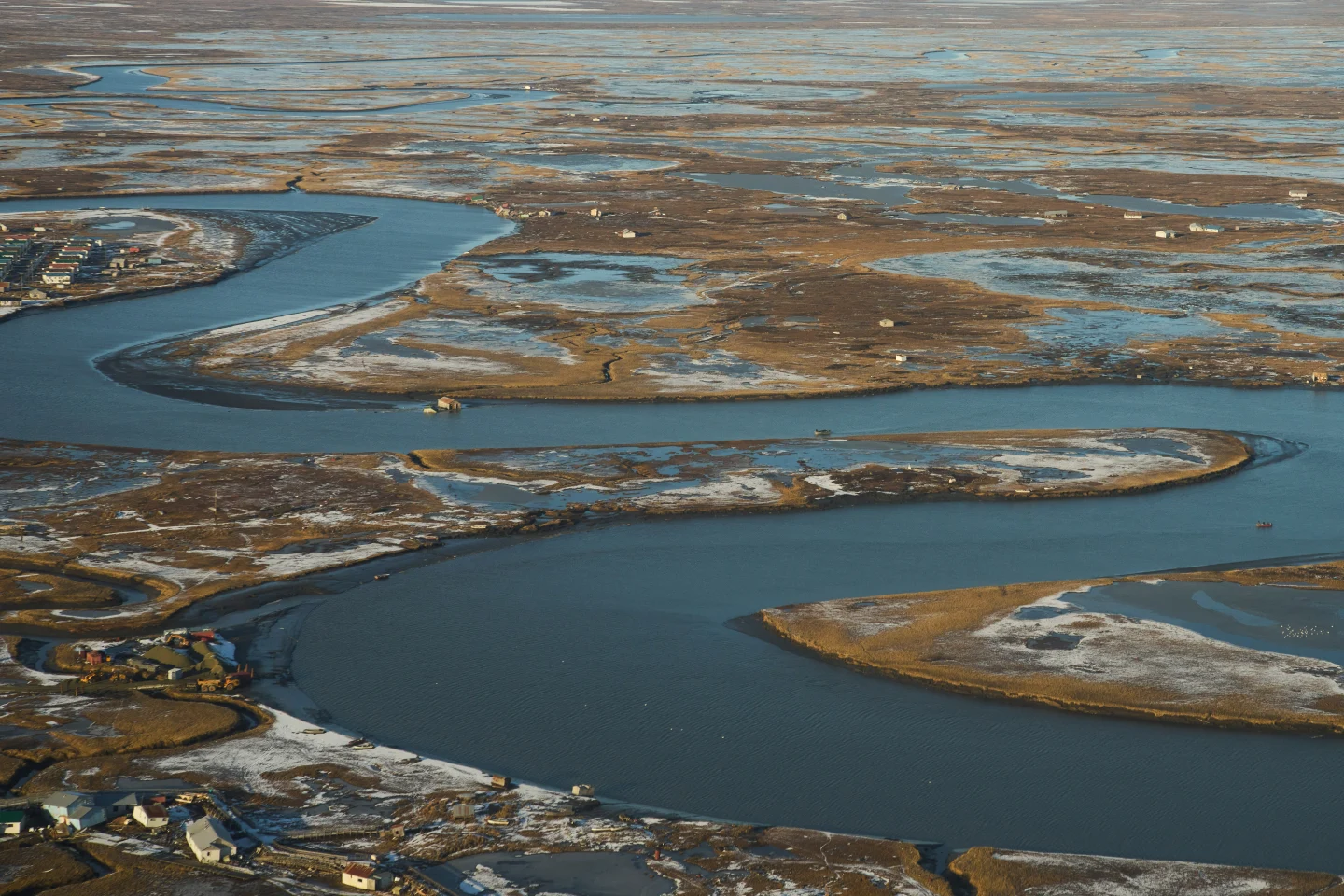
High winds and significant storm surges have impacted isolated Alaska Native communities in the Yukon-Kuskokwim Delta, nearly 500 miles from Anchorage. Recent reports indicate that the Coast Guard has rescued myriad residents, with numerous homes floating away as waters swelled.
With three individuals reported missing or dead, and over 1,300 displaced, many have sought refuge in local schools, where living conditions remain suboptimal. Efforts are in place to transfer residents to more stable shelters in Bethel, with considerations being made for further relocations to Anchorage and Fairbanks.
The storm has also inflicted distress on local supplies, damaging fuel depots that support these communities, which could lead to pollution affecting subsistence hunting and fishing practices. Villagers now face the prospect of winters without essential food supplies, including frozen salmon and moose.
Communities like Kipnuk, with a population of 715, and neighboring Kwigillingok, home to 380, remain particularly hard hit. Accessibility challenges make it difficult to transport necessary supplies via air or water, fuelling desperation.
Mark Roberts, an incident commander with the state's emergency management division, emphasized the severe damage in Kipnuk, noting, 'It’s catastrophic... as bad as you can think.' The local school serves as the primary facility with electricity, while efforts to restore full bathroom facilities are ongoing.
Amid rampant flooding in Napakiak and erosion in Toksook Bay, National Guard members have been activated to assist in recovery efforts. However, experts indicate a long recovery path, with winter approaching rapidly.
Rick Thoman, a climate specialist at the University of Alaska Fairbanks, has expressed concern about the viability of rapid recovery for communities facing extensive damage ahead of the winter season.
“Indigenous communities in Alaska are resilient,” said Thoman, but even they have limits when such widespread devastation occurs.
As officials continue their rescue and recovery efforts, it remains clear that sustained support is vital for these communities to navigate the challenges that lie ahead.