JUNEAU, Alaska (AP) — More rain and wind were forecast Wednesday along the Alaskan coast where two tiny villages were decimated by the remnants of Typhoon Halong and officials are scrambling to find shelter for more than 1,500 people driven from their homes.
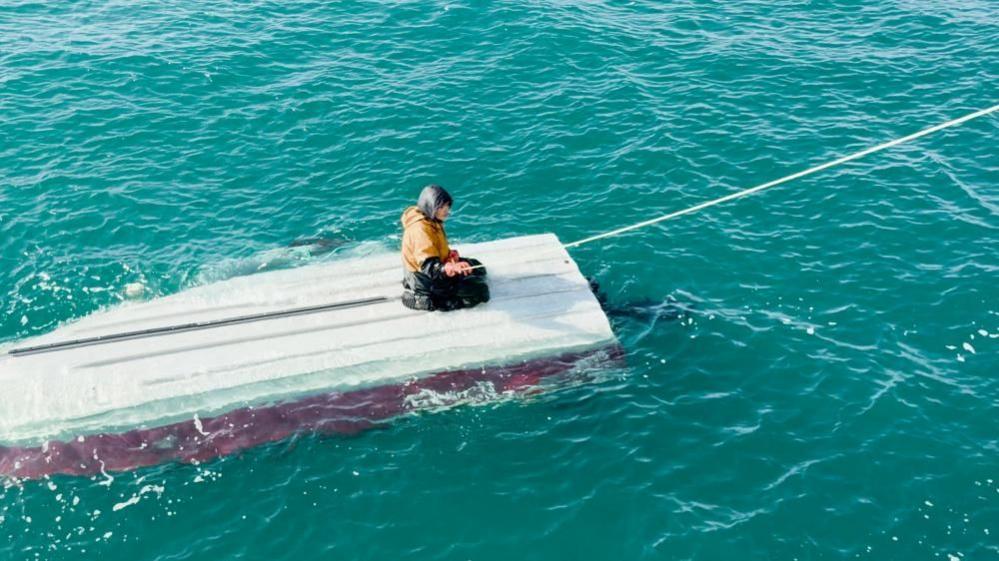
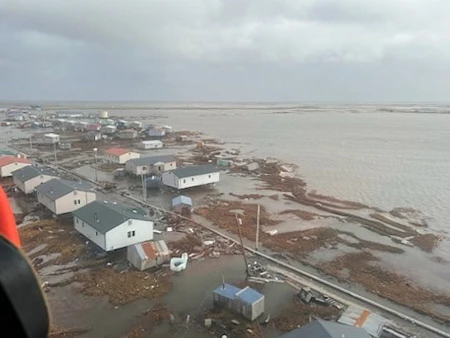
The weekend storm brought high winds and surf that battered low-lying Alaska Native communities along the Yukon-Kuskokwim Delta in the southwestern part of the state, nearly 500 miles (800 km) from Anchorage. At least one person was killed and two are missing. The Coast Guard rescued two dozen residents after their homes floated out to sea.
Hundreds are currently residing in school shelters, including one lacking functional toilets, according to officials. The storm follows recent severe weather that hit western Alaska days earlier.
Across the region, over 1,500 people were displaced. Dozens were airlifted to a shelter established at the National Guard armory in Bethel, a community of 6,000, with plans for possible longer-term housing in Fairbanks and Anchorage.
The hardest-hit locales were Kipnuk, with a population of 715, and Kwigillingok, which houses 380 residents. These communities are off the main road system in the state and are only accessible by water or air at this time of year.
“It's catastrophic in Kipnuk. Let’s not paint any other picture,” stated Mark Roberts, incident commander with the state emergency management division, during a news conference Tuesday. “We are doing everything we can to continue to support that community, but it is as severe as you can imagine.”
Heartbreaking Accounts
Among those waiting for evacuation was Brea Paul from Kipnuk, who described witnessing around 20 homes floating away in the moonlight on Saturday night.
“Some houses would blink their phone lights at us like they were asking for help but we couldn’t even do anything,” she recounted.
The next morning, she recorded video of a partially submerged house drifting by her own residence. Paul and her neighbors gathered in the local school gym for discussions, sharing songs as they faced uncertainty about their futures.
“It’s heart-wrenching saying goodbye to our community not knowing when we’ll reunite,” she reflected.
In Kwigillingok, one woman was found deceased, and the search for two missing men was called off Monday night after their homes were reported as floated away.
The school, as the only facility with power, hosted 400 evacuees overnight but lacked functional toilets; authorities scrambled to provide portable facilities in the interim.
A preliminary assessment revealed every home in Kwigillingok sustained damage, with about thirty having drifted from their foundations.
Power systems were affected in Napakiak and severe erosion occurred in Toksook Bay. Reports of floating fuel drums indicated pollution concerns, as officials urged residents to remain vigilant.
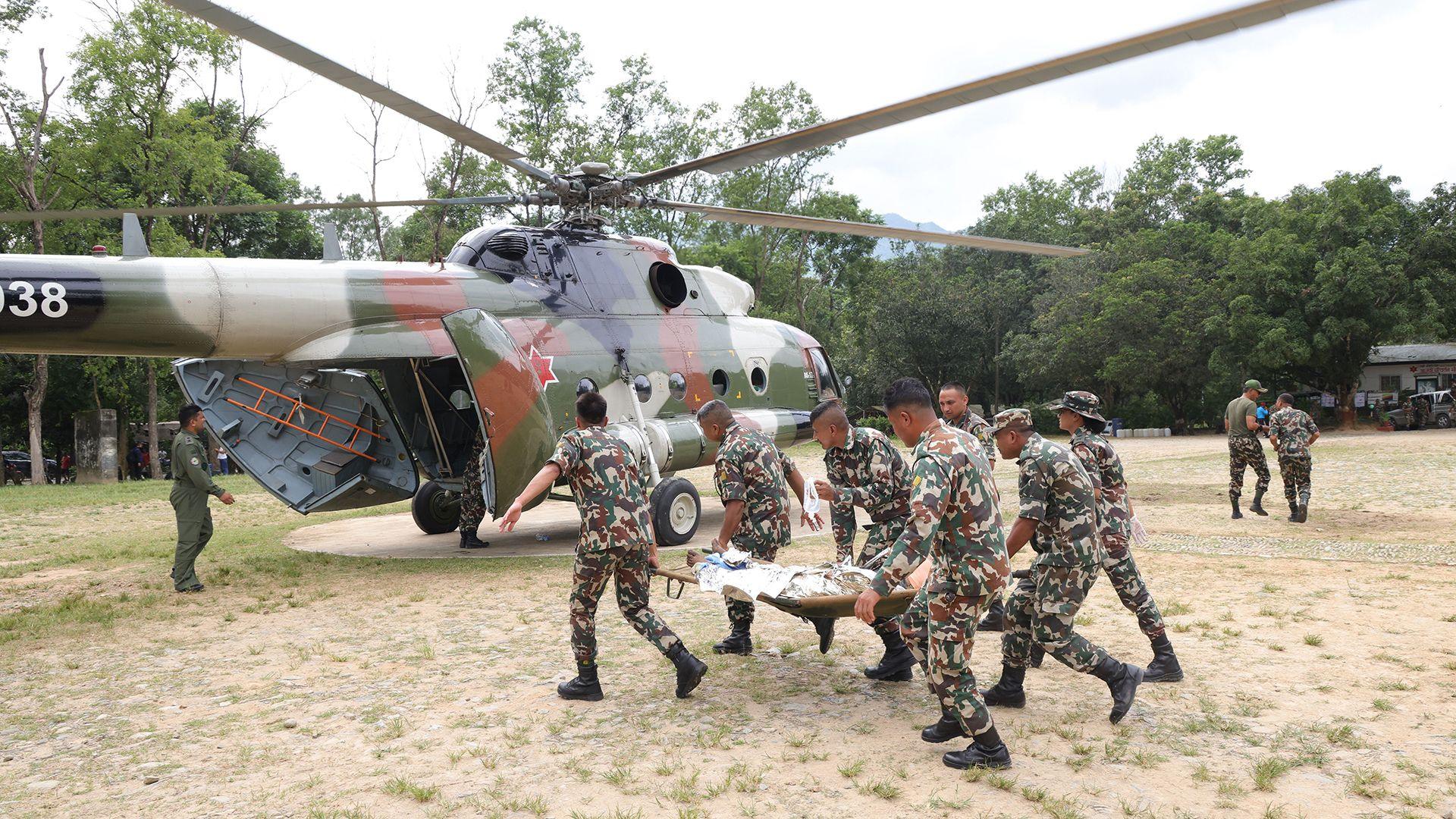
The National Guard has been activated to assist in the emergency response. Efforts are underway to airlift essential supplies, food, water, and communication equipment as weather permits.
Long Path to Recovery
Authorities emphasized that recovery will be a long process requiring ongoing support for the affected communities. Much rebuilding materials will need to be transported in, and harsh winter conditions are imminent.
“Indigenous communities in Alaska are resilient,” remarked Rick Thoman, a climate specialist at the University of Alaska Fairbanks. “However, when an entire community suffers extensive damage, it is challenging for any individual or small community to recover without substantial assistance.”
Thoman suggested that the recent storms have been intensified due to climate change, fueled by warming ocean surface temperatures.
Three years prior, the remnants of Typhoon Merbok resulted in widespread damage throughout the western Alaskan region.