In brief
The Amazigh community in North Africa celebrates the new year 2976 during Yennayer, a festival that roots back to 950 BC when King Sheshonq ascended the Egyptian throne. This year's festivities across Algeria, Morocco, Tunisia, and Libya feature family feasts, bonfires, and cultural pride amidst the recognition of Amazigh language and traditions over the past decade.
The Amazigh people, known as 'free people', have been celebrating their new year, Yennayer, which falls between January 12 and 14. This year's celebration is particularly significant as it represents the year 2976 according to their unique calendar that began in 950 BC.
In homes across Algeria, Morocco, Tunisia, and Libya, families come together to enjoy sumptuous feasts, lighting bonfires and sharing traditional music. The joyous phrases of 'aseggas ameggaz,' which means 'happy new year,' resonate throughout villages and bustling urban areas.
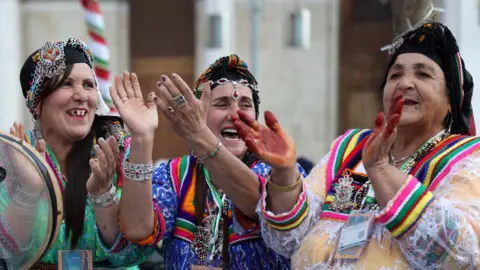
The preparation for Yennayer involves wearing vibrant, embroidered traditional clothing, signifying cultural pride and belonging. The festival not only focuses on family but extends to community celebrations, including parades and concerts, showcasing Amazigh culture and resilience.
The Amazigh population, largely undocumented due to a lack of statistics, is believed to number in the tens of millions, with Algeria and Morocco hosting the largest communities. They remain North Africa's indigenous people, holding a deep connection with nature and a rich historical heritage.
Despite historical marginalization, recent decades have seen a revitalization of Amazigh culture, particularly with Morocco recognizing Tamazight as an official language and both Algeria and Morocco designating Yennayer a public holiday. These changes mark both a revival of cultural identity and a celebration of their endurance through centuries of challenge.
Traditional dishes vary from region to region, yet they universally emphasize the importance of food as part of the celebrations. For instance, in Morocco's High Atlas, a traditional dish known as 'ourkemen' is enjoyed, while many Algerian families savor a mix of sweets and dried fruits called 'trèze' as symbols of prosperity.
Yennayer ultimately celebrates not just the beginning of a new year but is a reflection of the Amazigh's struggle for recognition and cultural continuity. This year's celebration resonates with a message of resilience and hope, marking the Amazigh people's journey into a new era in their history.