Anguish at Los Silos: Families Identify Victims after Venezuela Earthquake
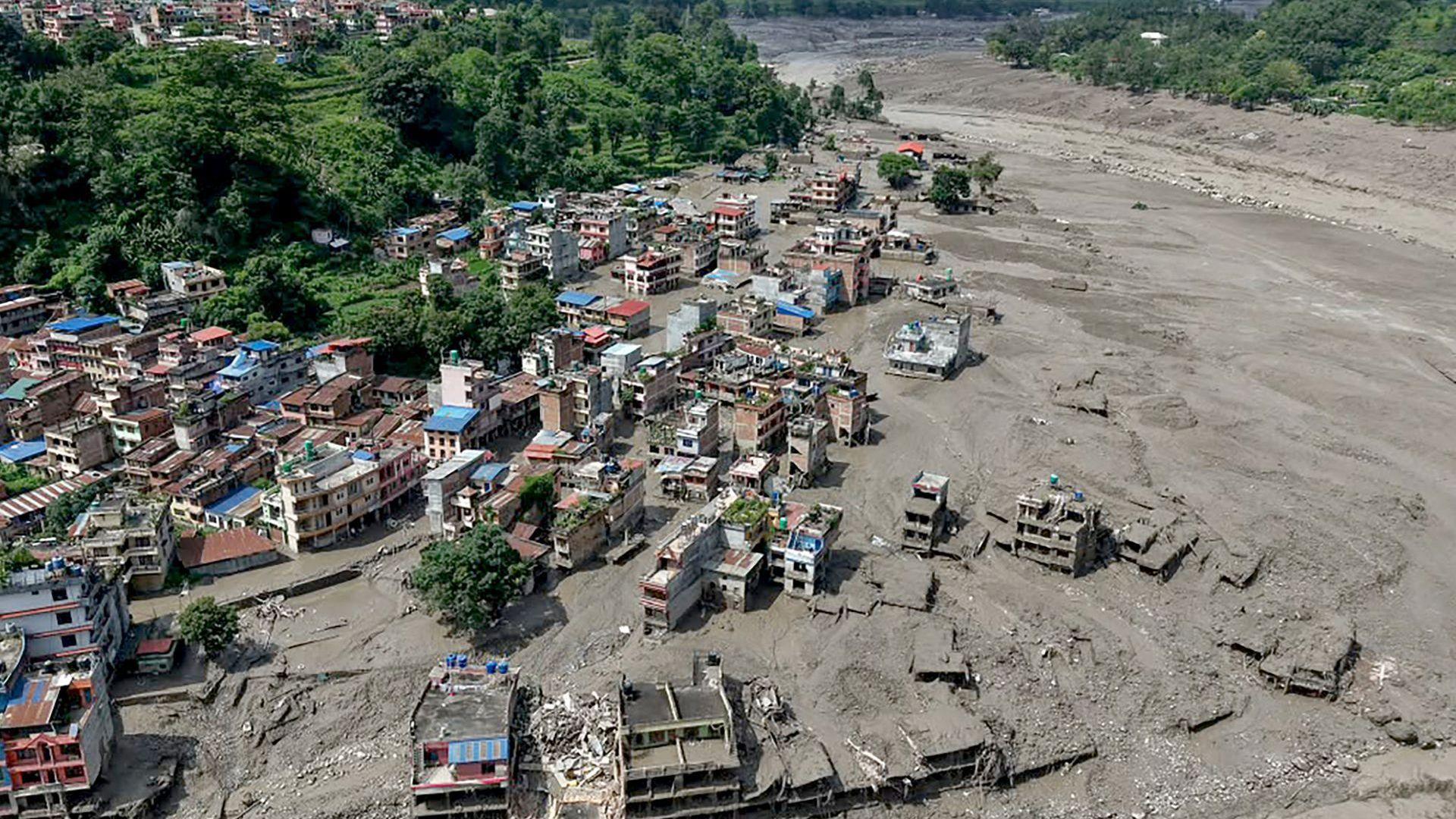
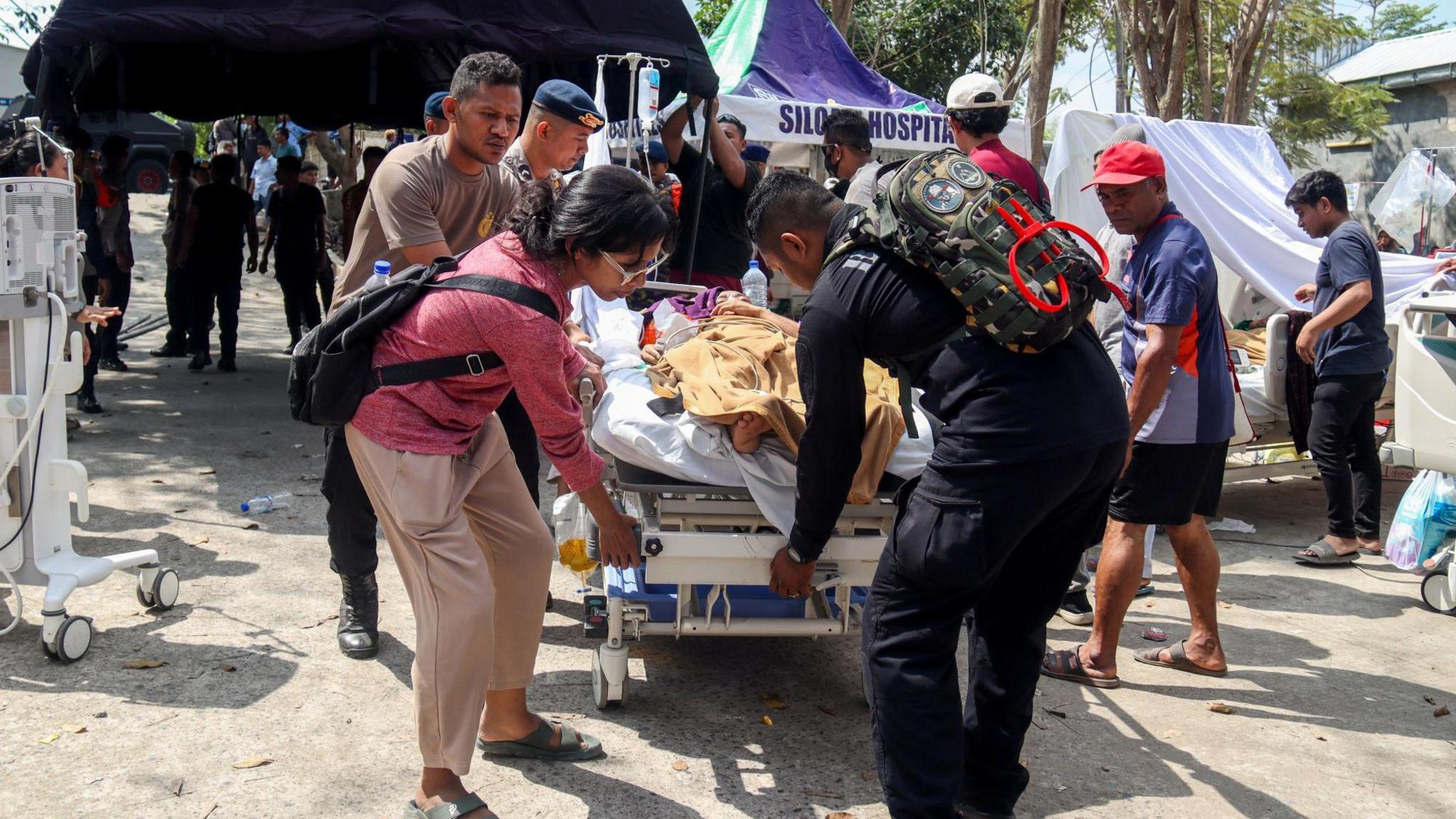
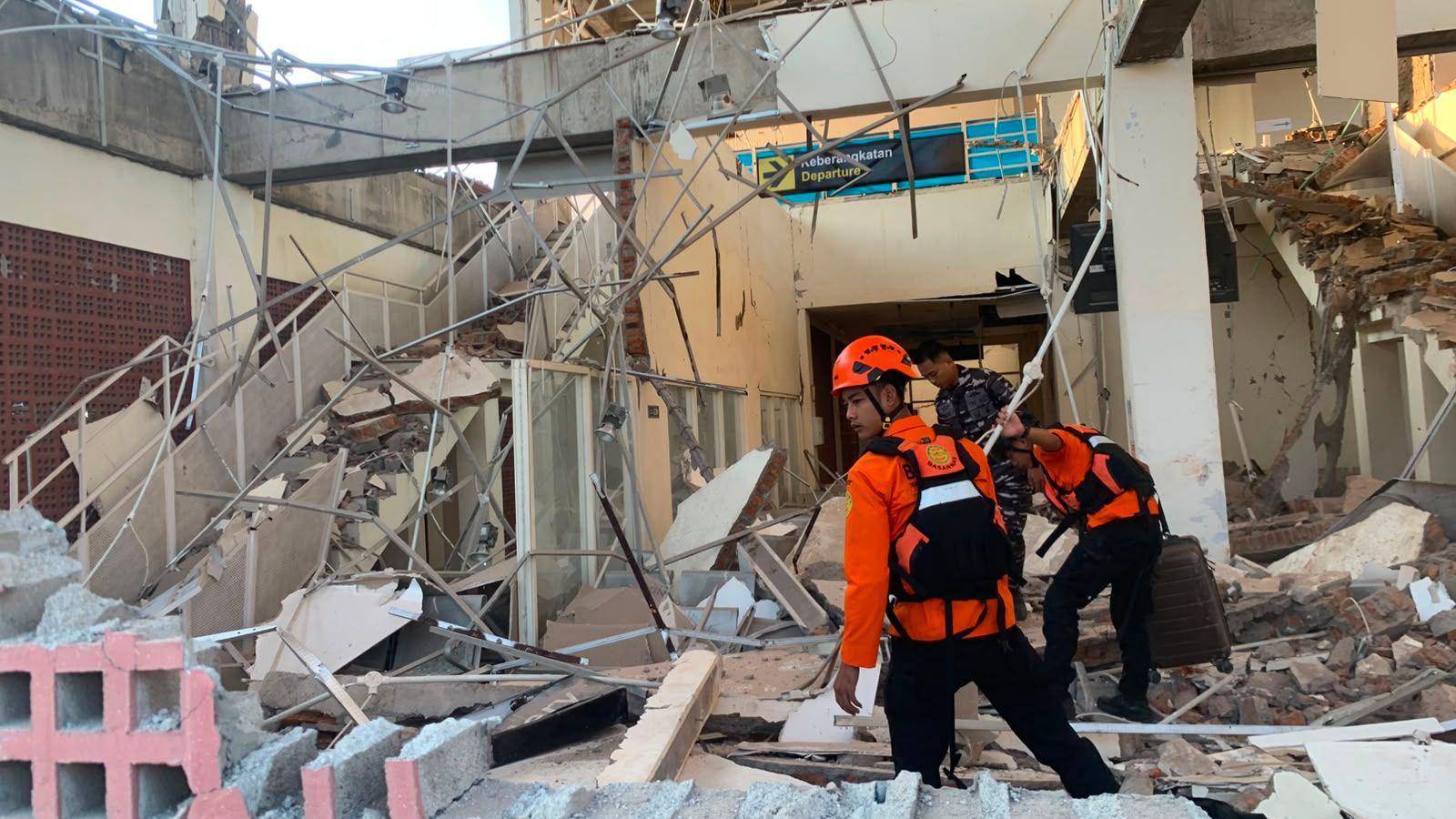
The twin earthquakes that rocked Venezuela on 4 March left a wedge of devastation that has turned a quiet port storage site into a mournful asylum of uncertainty.
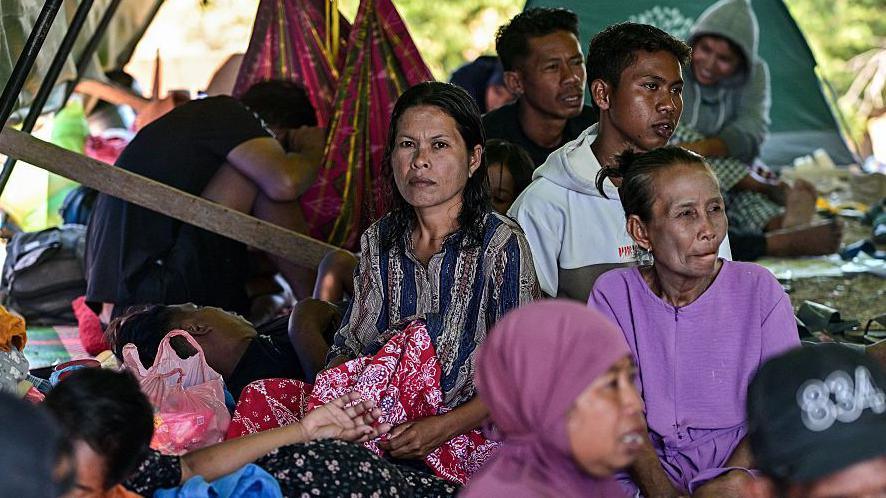
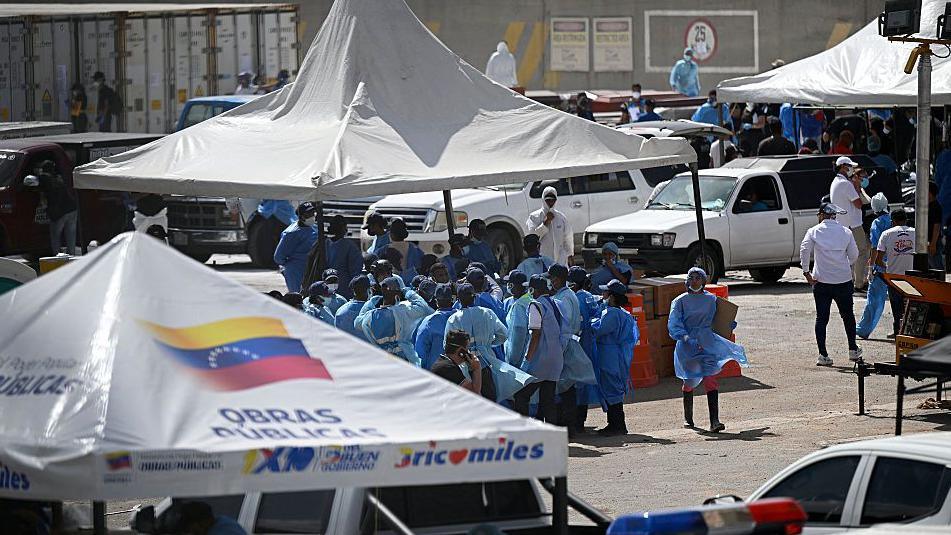
Los Silos, once a storage yard, is now a makeshift morgue, its rows of mattresses stretched across open ground and two white tents. Families—some who have already roamed hospitals, shelters and rubble—wait for hours, their faces a mix of dread and determination, hoping the vending of a name will end their grief.
Under the hot sun, bodies wrapped in plastic bags lie in stark succession. Forensic specialists move between a small crematorium tent and a screen, scanning photographs of more than a thousand bodies that flash on two television panels. The images flash a parade of injuries, tattoos, scars and worn clothes, setting a stage of hope interrupted by sorrow.
The process begins with a simple lie: the body’s clothing. Families looking for a distinctive shirt or a specific piece of jewelry are taken to a side area. Most, however, face the screen. As technicians scroll through the images, a single thread—an old tattoo or a set of teeth—may bring an unexpected revelation. A woman sits on a chair, wading through the endless stream, and on the screen's glow her nephew’s tattoo appears. Emotion ripples across the waiting area, tears, and a hesitant handshake that counts as a lifeline.
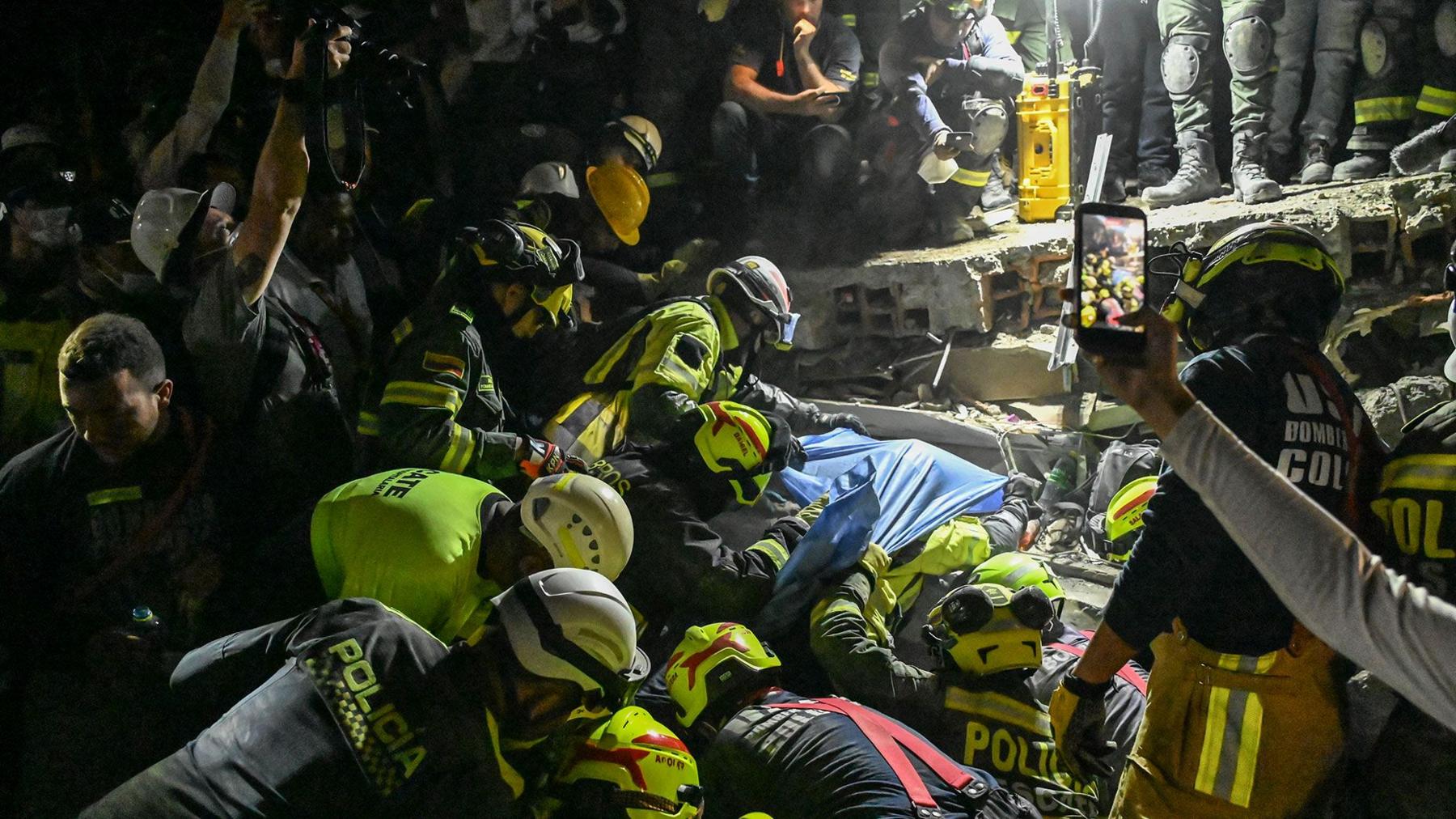
Even as identification continues, bodies are taken to coffins, fingerprints are recorded, and paperwork for death certificates begins. Stories from volunteers mentioned voices calling from a collapsed apartment, but no survivors could be rescued. In the heat of Los Silos, every minute is a test of patience; each body held, every patch of identity sought.
From Carayaca to Playa Grande, mothers, sisters and friends find themselves trapped in a painful lesson: grief does not have a deadline, but the bureaucracy that follows is relentless. The sun on the grey and white tents mirrors the outstretched nerves of a nation that must now reckon with the aftermath of its first recorded twin earthquakes in its history. The image of a makeshift morgue paints a poignant reminder that the worst danger often lies in waiting for confirmation—of death, of identity, of a sliver of closure. Nonetheless, the simple act of identification offers a reluctant solace in the midst of chaos, a testament to human resilience amid devastation.