In brief
Following the brutal death of a Yorkshire Terrier, animal‑rights activists gathered on the streets of Sofia, demanding immediate reporting and justice. The protest urged the establishment of an animal police unit and called for the National Assembly to accelerate legislation and enforcement. Courts have already opened a case and detained the man responsible.
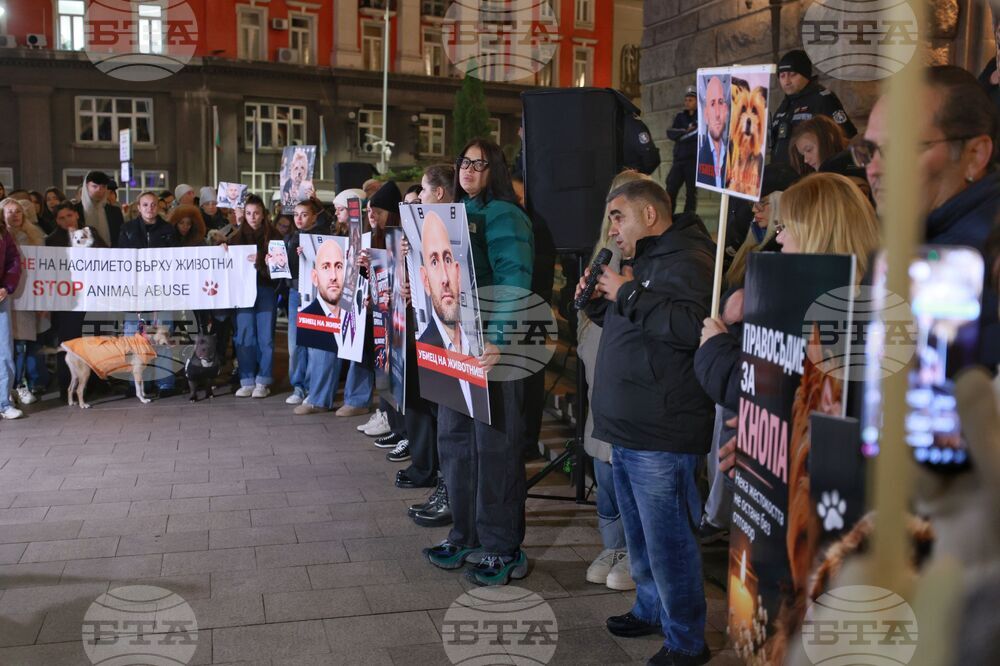
On the evening of November 4, 2026, a crowd of animal‑rights demonstrators gathered outside the National Assembly in Sofia to demand swift action against animal abuse and the creation of a functioning animal police unit. The protest was sparked by the killing of a Yorkshire Terrier on November 1, an incident that had already prompted the Sofia Regional Court to open a case and place the accused in custody.
The demonstrators, organized on social media, carried placards that read “Protect Those Who Cannot Protect Themselves”, “We Want Justice” and “Cruelty Isn’t Heroic, It’s Disgraceful!” They urged officials to “Stop the cycle of violence”, stressing that the recent surge of brutal animal attacks was being neglected. The slogans reflected a broader community fear that the deaths of pets could signal a climate of impunity for perpetrators.
Sofia Municipality confirmed to BTA that it had been notified of the protest and that police were present in the area to maintain order. The municipality’s statement underscored that the demonstration had been planned with advance notice, a factor that helped authorities facilitate a peaceful gathering.
Background of the Incident
The trigger for the demonstration was the death of a Yorkshire Terrier that occurred on November 1 in Sofia. Video footage of the incident circulated online, showing a man kicking the dog repeatedly, a testimony of the cruelty that motivated the protest. The incident received significant attention on local social media, sparking community outrage and the call for public accountability.
The removal of the dog’s owner from the scene and the swift issuance of a court mandate to detain the suspect indicated that the legal system was taking the matter seriously. The Sofia Regional Court’s proceedings in the case marked a visible step toward justice, but protesters argued that such steps were too slow and that a dedicated “animal police” force would expedite protection for animals.
The Call for an Animal Police Unit
At the protest, activists highlighted the lack of specialized law‑enforcement units focused on animal welfare. “We want a dedicated animal police unit to respond swiftly to abuse and ensure that victims are protected,” spoke one of the demonstrators. The rally’s organizers suggested that a dedicated unit would provide both enforcement and educational roles: “If we have professionals trained in animal behavior and welfare laws, we can prevent many of these incidents before they happen.”
Proponents of the animal police unit argued that the current procedural delays in reporting and investigation turned the city into an environment where violence against animals could go unchecked. By creating a specialized division, law‑enforcement agencies could prioritize animal‑related complaints, issue protective orders fast, and uphold the existing legislation.
Political Response and Future Steps
The National Assembly, the venue outside of which the demonstration took place, had not yet issued a formal response. Nonetheless, the protest delivered a clear message to lawmakers: the public demands timely action and accountability for animal abuse. The presence of security forces during the crowd also signaled that officials were prepared to maintain peace while considering the demands.
The demonstration’s timing—just a few days after the court’s intervention—underscored the urgency for legal reforms. While the investigation into the dog’s death had already been opened, the protest’s message was that justice could not rely solely on the courts; it required proactive enforcement.
Community Impact and Civic Stakes
Pet owners in Sofia, as well as animal‑rights advocates in other Bulgarian cities, expressed concerns that the failure to act quickly on abuse cases could weaken societal trust in public institutions. “If the law does not protect the vulnerable, the people will lose faith in the state’s ability to safeguard all citizens—human and animal alike,” said one participant, emphasizing the relational expectation between institutional responsibility and community security.
In addition to the city’s immediate response, the protest highlighted a broader civic conversation about the accountability of public servants in protecting non‑human citizens. The call for an animal police unit is not merely a niche request; it is indicative of a public mandate for civic institutions to evolve and enforce protections uniformly across all who cannot defend themselves.
As the demonstration concluded, the crowd dispersed with a shared sentiment of hope that the National Assembly would expedite reforms. While no new legislation had yet been proposed, the protest had effectively placed the issue of animal welfare at the forefront of domestic political discourse.
The next steps, as construed from the protest’s demands, involve ongoing dialogue between lawmakers, law‑enforcement agencies, and civil‑society representatives to develop a strategy for establishing an animal police unit capable of timely reporting, swift investigations, and robust enforcement. The successful implementation of such a unit would be a tangible outcome of the protest’s civic stakes, sending a message that Bulgaria is committed to protecting all its most vulnerable members.