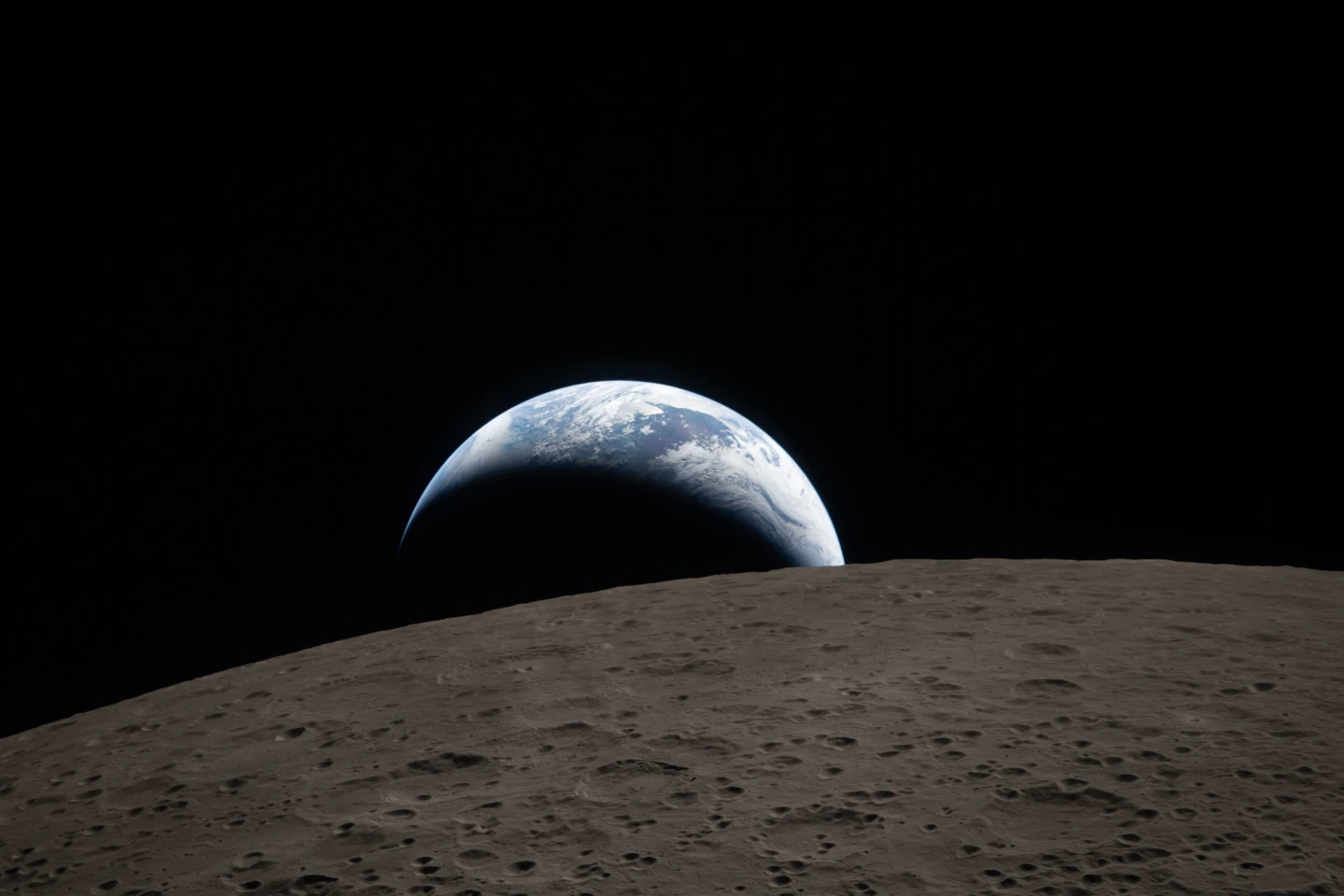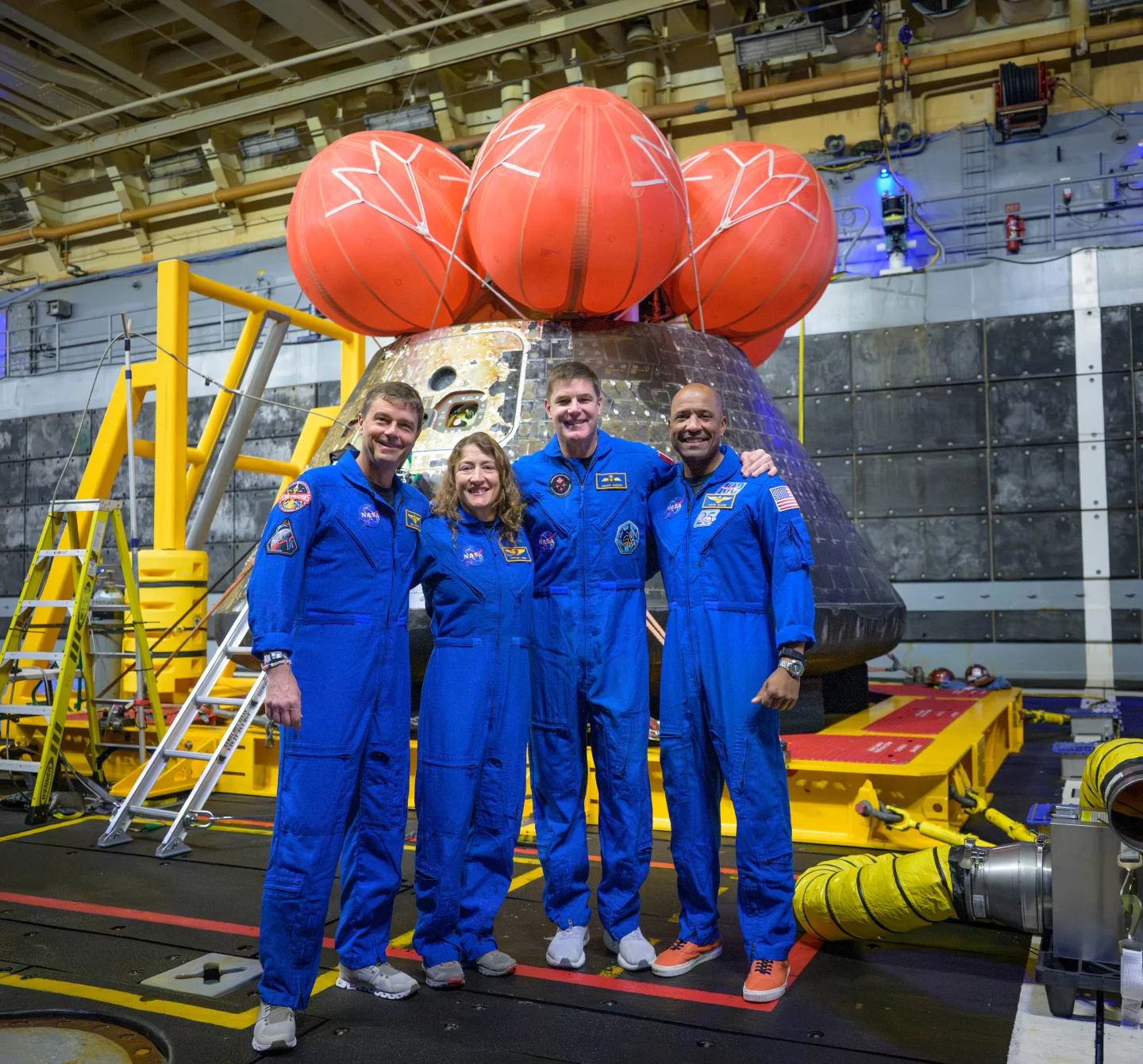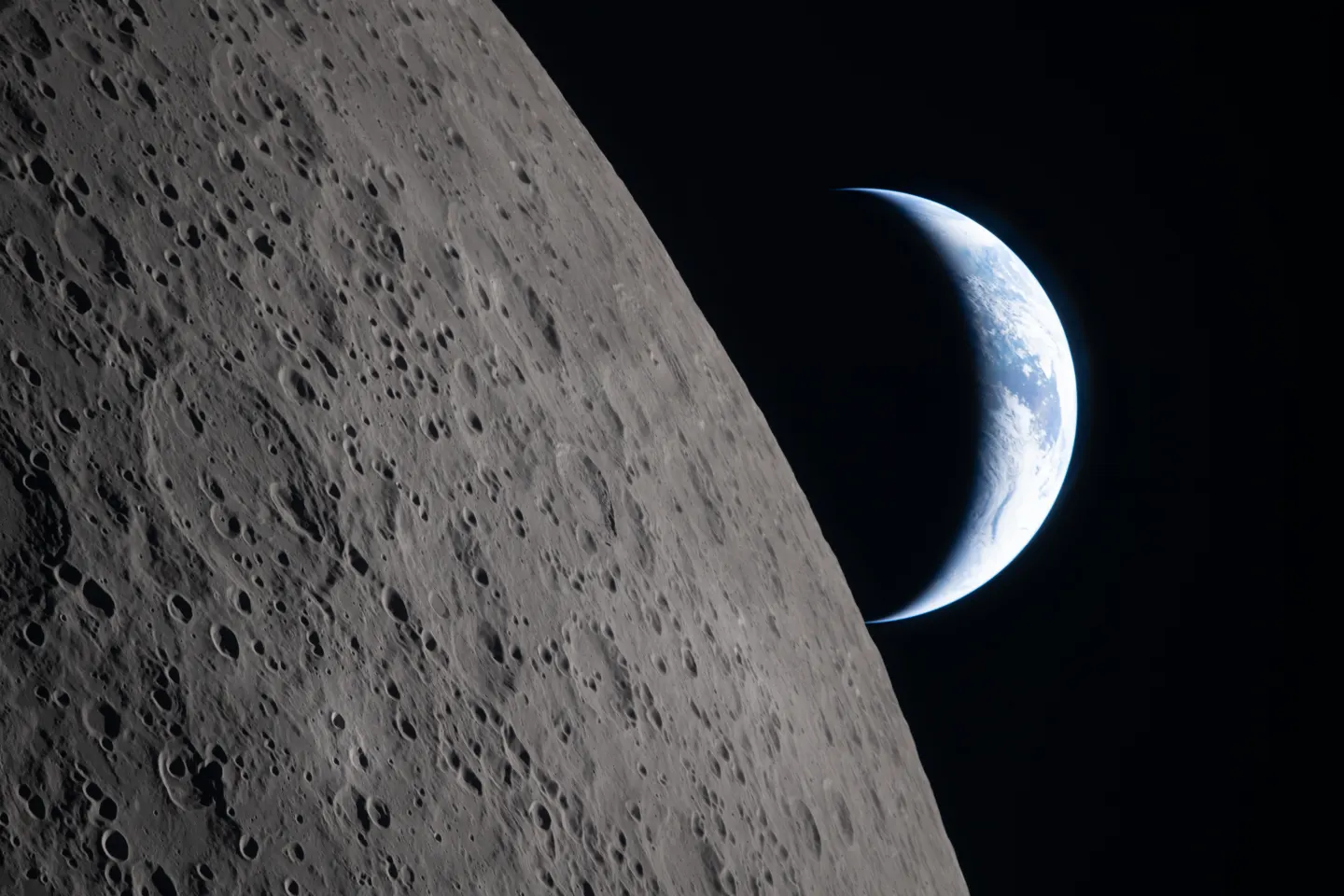
NASA's Artemis II mission has successfully sent four astronauts sweeping around the far side of the Moon and returned them safely home. The Orion spacecraft performed admirably, and the images captured have renewed interest in space travel among the public.
However, the question remains: Can the children inspired by this mission expect to live and work on the Moon someday? The enthusiastic answer is less certain, as the mission's apparent simplicity masks the much harder work that lies ahead.
Looping the Moon may have been comparatively straightforward, but the real challenge ahead is ensuring a sustainable human presence on the lunar surface and further afield. NASA's ambitious plans involve significant developments including lunar landers that are currently behind schedule.
"Houston, we've had a problem..." best captures the challenges faced in creating the infrastructure needed for a long-term lunar base. Key initiatives involve not just transporting humans but also setting up necessary equipment and habitats.
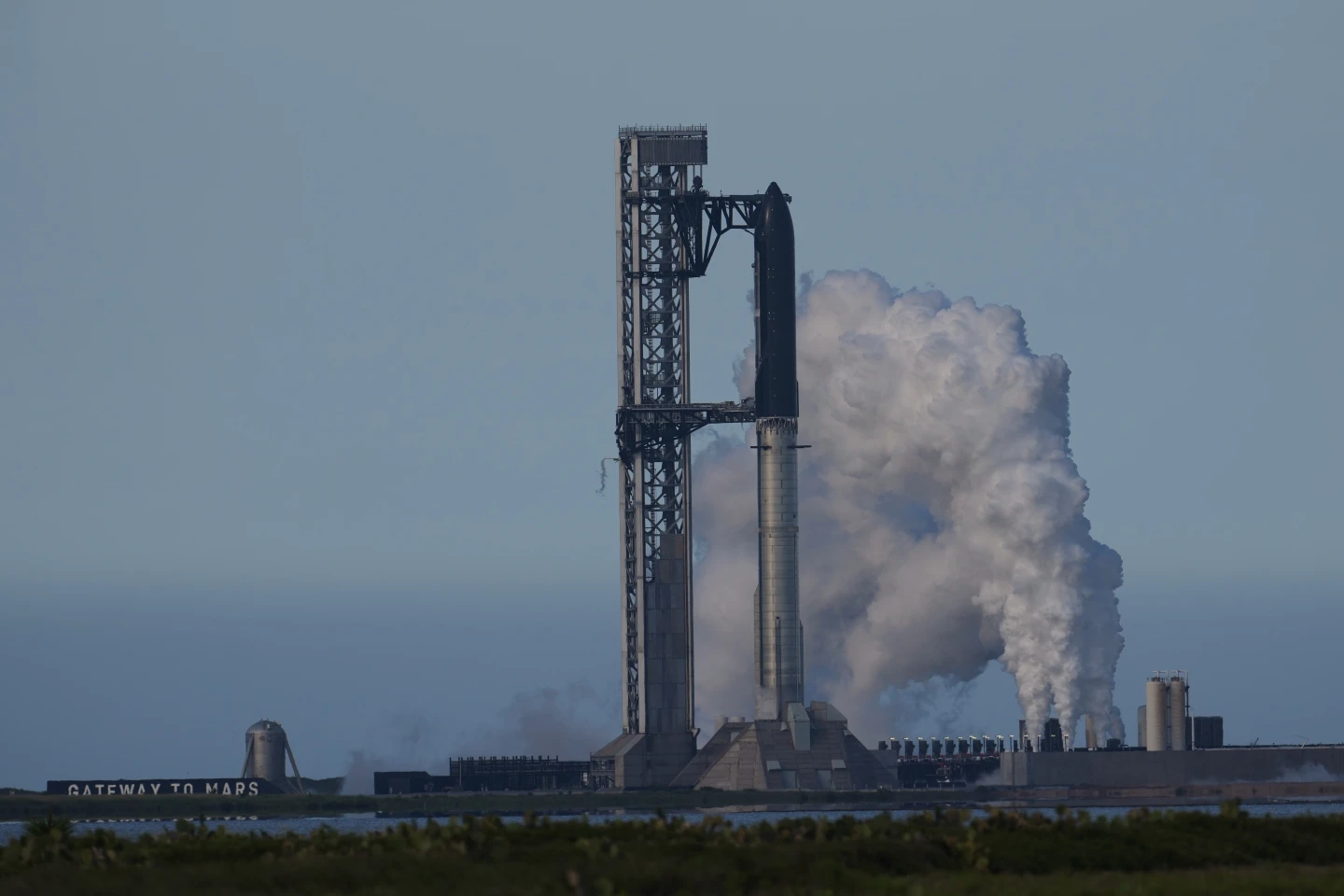
SpaceX and Blue Origin, tasked with constructing new landers, are both struggling with major delays. Plans to establish a propellant depot in orbit around Earth, necessary for powering future missions, compound the complexity of these projects.
The target for NASA's first crewed Moon landing is set for 2028, yet some analysts remain skeptical about meeting this deadline given existing setbacks.
Meanwhile, competition from China, which plans to send astronauts to the Moon by 2030, emphasizes the urgency of the U.S. space program's timeline. NASA's new partnerships with private companies bring hope but also raise questions about the feasibility of these ambitious plans.
Beyond the Moon lies the elusive dream of Mars exploration, a challenge that many experts believe may not be achievable until at least the 2040s due to the substantially more complex dynamics of interplanetary travel.
As the Artemis program progresses, it is clear that while the missions serve as a re-invigorating force for human spaceflight, the road to establishing permanent human outpost on the Moon—and ultimately Mars—remains fraught with hurdles.