In brief
NASA's Artemis II mission, which launched on April 1, 2026, has successfully completed its first six days, showcasing the effectiveness of the Orion spacecraft and its crew. With a flawless launch and positive operational dynamics, Artemis II is paving the way for future lunar exploration and has sparked renewed optimism for human Moon landings within the next few years.
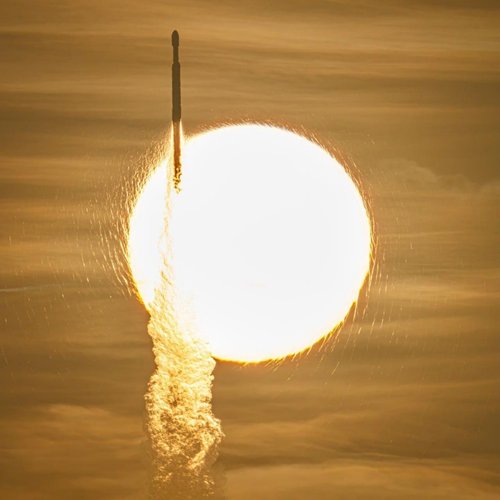
NASA's Artemis II mission has passed every major test since its launch on 1 April, with its rocket, spacecraft and crew performing better than engineers had dared to hope for. The mission's first six days have shown that the Orion capsule works as designed with people on board for the first time - something no simulator could prove. Perhaps its greatest achievement, though, is through the actions of the Artemis crew, which have generated hope, agency and optimism for a world appearing to be in desperate need of inspiration. But the bigger question remains - is a Moon landing by 2028, as NASA and President Trump want, now really an achievable goal?The SLS generated 8.8 million pounds of thrust at liftoff and, by every measure engineers care about, performed to plan. Each phase of the ascent was, in the understated language of mission control, 'nominal': maximum dynamic pressure, main engine cut-off and booster separation. Two of the three planned course corrections on the way to the Moon were scrapped because the trajectory was already so accurate they were not needed. The powerful engine burn was 'flawless' according to the head of the Artemis programme, Dr. Lori Glaze. Additionally, the mission is also focusing on real human interactions within the spacecraft, highlighting how it operates with crew members dealing with practical challenges. The experience of the crew and the mission's unfolding have not just yielded operational insights but also about the emotional resonance that such space journeys can inspire. As the crew prepares for their return home and the ultimate test of re-entry, the legacy of Artemis II will be crucial for future endeavors aimed at returning humans to the Moon.