In brief
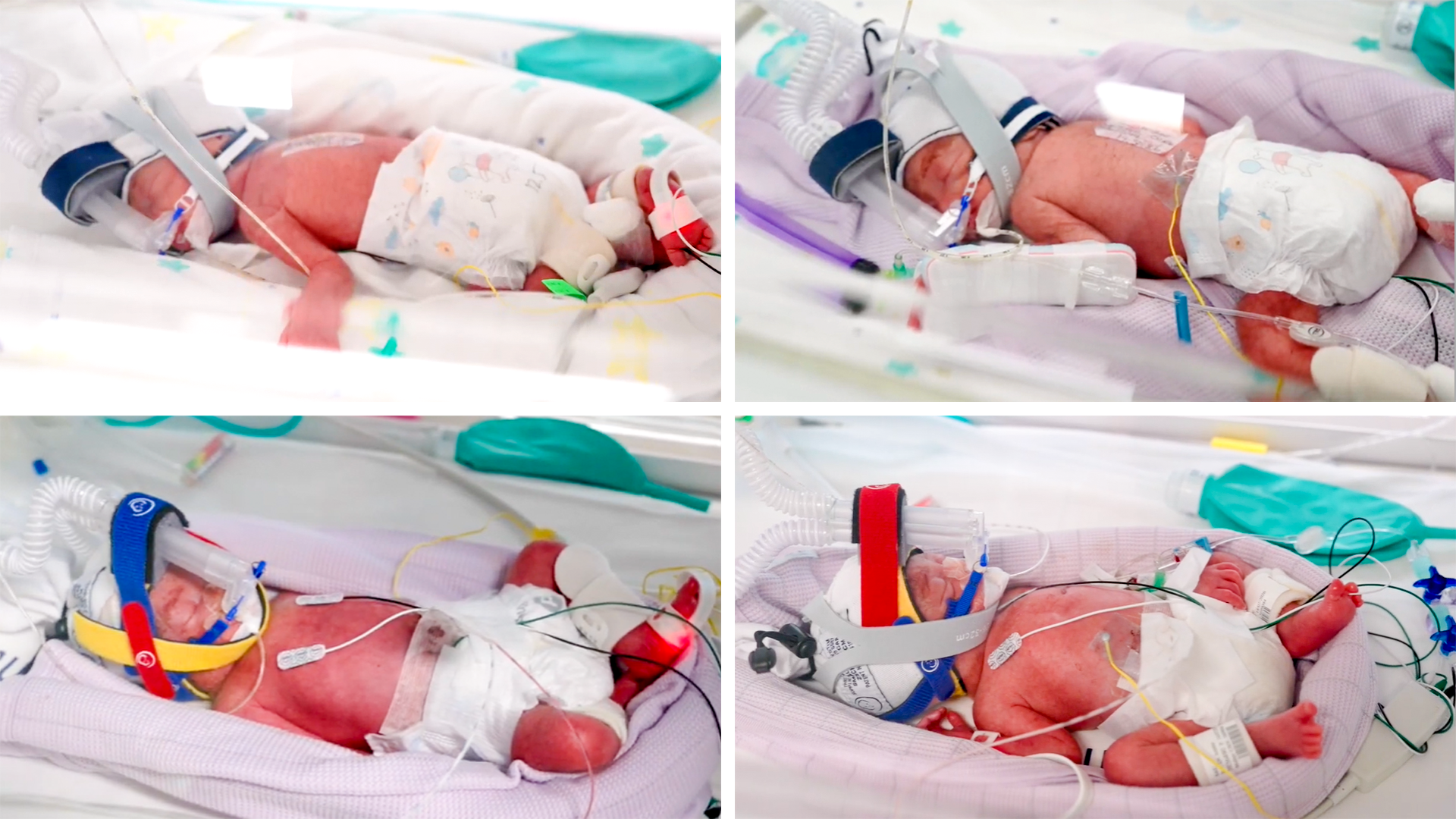
In July 2026 a 34‑year‑old Australian mother gave birth to monozygotic quadruplets, a phenomenon that occurs in about one in fifteen million pregnancies. The babies arrived after a high‑risk pregnancy and were delivered by Caesarean section at 28 weeks. Doctors at Royal Brisbane & Women's Hospital praised the mother’s resilience and said the babies were healthy—though still in intensive care. The parents have launched a crowdfunding campaign for transport as they adjust to caring for four newborns. This unprecedented birth is a testament to modern medical care and the emotional strength of the parents, who named the girls Emily, Harriet, Catherine, and Alexa in tribute to the attending doctor.
In July 2026, a 34‑year‑old woman from Queensland delivered four identical babies via Caesarean at 28 weeks and four days, a birth that is estimated to occur in only about one in fifteen million pregnancies. The quartet—named Emily, Harriet, Catherine, and Alexa—arrived in a special incubator at Royal Brisbane & Women's Hospital, where they are now under intensive care while doctors monitor their progress.“To share the same placenta and yet still be healthy is unheard of,” said Dr. Alexa Bendall, the maternal‑fetal medicine specialist who cared for the mother throughout her pregnancy. Bendall described the pregnancy as “extremely high‑risk” and noted that the pair were admitted at 25 weeks for close monitoring. She praised the mother’s composure, saying, “Jenitar has taken everything in her stride from day one—she has dodged every complication.”The parents, who already have four children aged one to ten, are now preparing for the demands of four new infants. Jenitar Na'amoana has raised over A$37,000 through a crowdfunding campaign to purchase a van capable of transporting all her children to the hospital. In a heartfelt message, she wrote that while her heart is overflowing with gratitude, caring for four newborns simultaneously presents unimaginable challenges.Medical experts note that naturally conceived quadruplets are exceedingly rare, with odds of about one in 700,000 births. The case draws attention to advanced obstetric care and the emotional resilience of families navigating high‑risk pregnancies.