In brief
In California’s San Joaquin Valley a new generation of electric, pilot‑free crop‑sprayers is flying just metres above fields, reducing spray drift and fuel use. Pyka, a start‑up from San Francisco, is scaling production of its 11‑metre‑winged drones and aims to become a mass‑mobility platform. Other firms, such as Windracers, Reliable Robotics and Merlin Labs, are developing autonomous cargo and passenger aircraft, balancing AI with safety‑tested sensors. The technology faces regulatory hurdles and pilot‑association scepticism, but experts say it could sharpen safety and efficiency in aviation.
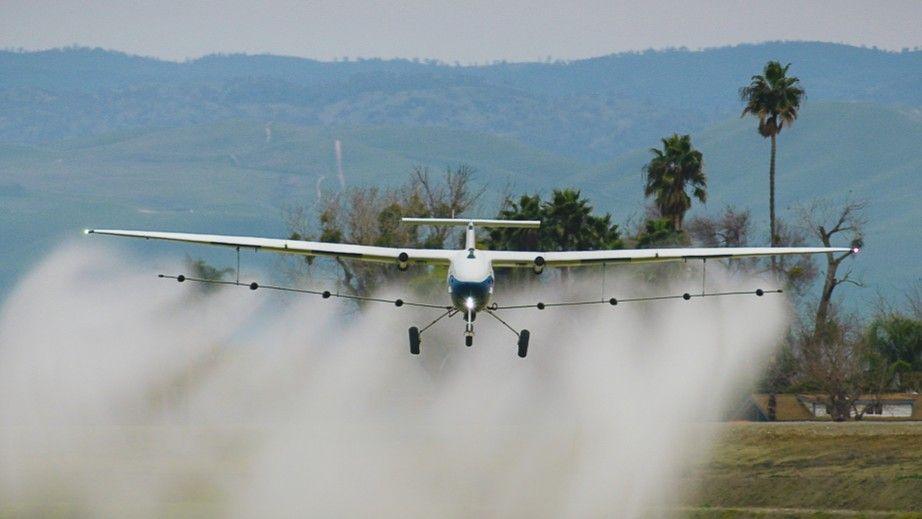
In California’s San Joaquin Valley a small electric, pilot‑free plane flies just metres above fields.
Pyka’s craft can fly 35 minutes, carrying 300 litres of spray, and glide lower than human‑piloted drones, cutting chemical waste.
The start‑up, based in a World War II hangar near San Francisco Bay, plans to scale production from a few dozen to a thousand units by 2030, each priced at $550,000.
Other innovators are piloting the idea. Windracers seeks to launch a 0.8‑ton cargo drone in the UK, Reliable Robotics tests autonomous control on a Cessna 208B Grand Caravan, and Merlin Labs promotes an AI‑driven system that can switch from two‑pilot aircraft to fully autonomous operations.
Regulatory approval is strict; Pyka’s crop‑sprayers won U.S. civil approval but still require a ground operator and visual observer. In Brazil the rules are more relaxed, allowing clandestine use on cotton and soybean farms.
Safety remains the chief concern. The U.S. Air Line Pilots Association warns that removing pilots could be a “serious gamble with safety.” Rural pilots argue that human‑controlled aircraft can cover larger fields faster than drones.
Yet many in aviation see autonomous systems as a path to greater safety, letting pilots manage a fleet of drones rather than flying one at a time.
Whether these aircraft will become passenger carriers or simply precise cargo moths yet to be determined, the technology’s pace is unlikely to slow.