In brief
The recent posting of photos by Somalia's Family Minister Gen Bashir Mohamed Jama has sparked backlash online, highlighting the lack of female representation at a UN conference on women's topics. Critics argue that the Somali government is dismissing women's issues by choosing men to lead the delegation.
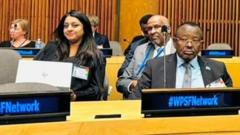
Outrage has erupted across social media after Somalia’s Family Minister, General Bashir Mohamed Jama, shared photos of himself and another male official representing Somalia at a recent UN meeting dedicated to women's issues. Critics, including prominent Somali author and human rights activist Fathiya Absie, described the decision as "tone-deaf," emphasizing that male representation at such events undermines the importance of women's voices.Despite the delegation consisting of four members, including two women, the photos showcased only the male representatives, fueling further ridicule and disappointment among the Somali community online. Observations revealed that out of 197 delegates from 57 countries, female representation was alarmingly low, with only 21 men among them.While Gen Jama defended the presence of male ministers, stating that he was not alone in this endeavor as other nations, including Japan and China, also had male representatives, critics continued to express dissatisfaction. The involvement of Iman Elman and Sadia Mohammed Nur, the two female delegates, seemed overshadowed by the male leaders in the photographs.This incident has reignited discussions surrounding the renaming of Somalia's Ministry of Women and Human Rights Development to the Ministry of Family and Human Rights Development, a move viewed by many as a diminishment of women's issues. Numerous activists, including Absie, have argued that erasing "women" from the ministry's title neglects the unique challenges that women face in the context of Somalia's longstanding struggles for equality.Given the challenging environment for women in Somalia, where they have historically played pivotal roles in peacebuilding yet remain under-represented in leadership, the backlash has highlighted a growing demand for a stronger female presence in governance. Some voices defended the government's stance, asserting that experience should be prioritized; however, the call for improved female representation continues to gain momentum, with promises of future reforms from ministry officials. The discourse surrounding women's rights in Somalia remains critical, as the nation strives to overcome historical injustices and ensure that women's contributions are recognized and prioritized.