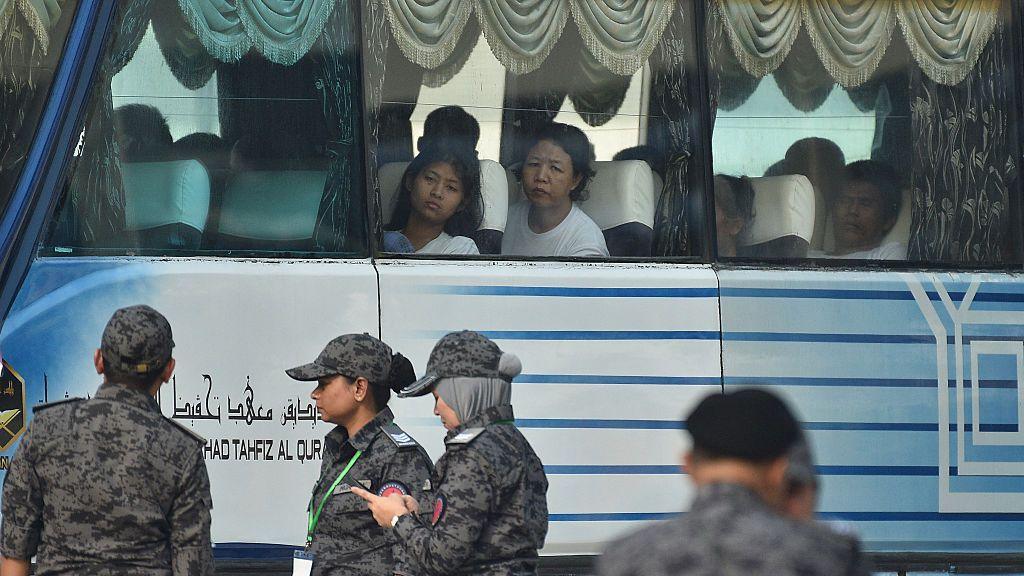
Malaysia has started repatriating around 5,000 asylum seekers from Myanmar, a move that has ignited intense controversy and international condemnation.
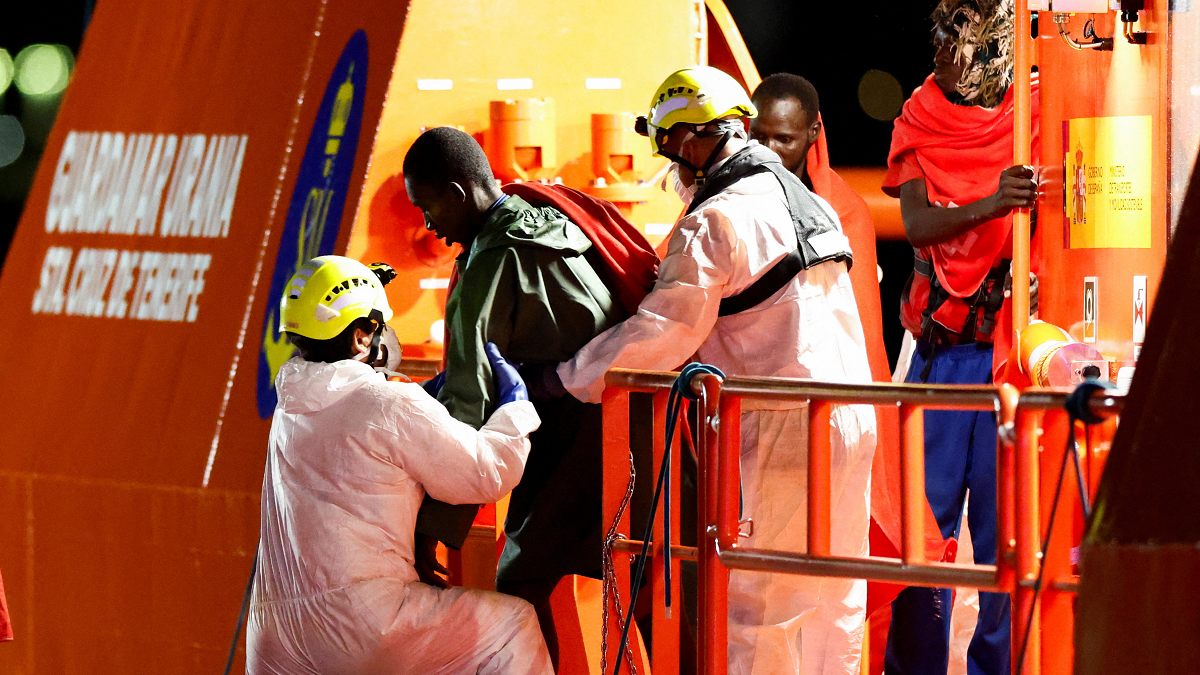
Three Myanmar Navy ships left Malaysian waters on Tuesday carrying the first 1,476 returnees. The repatriation agreement was struck with Myanmar’s military ruler Min Aung Hlaing.
Human‑rights campaigners warn that the deported individuals risk violence, persecution and forced conscription into the Myanmar army. Malaysia maintains the operation is voluntary, but the United Nations’ refugee agency was barred from seeing or screening the returnees, who remain in detention centres.
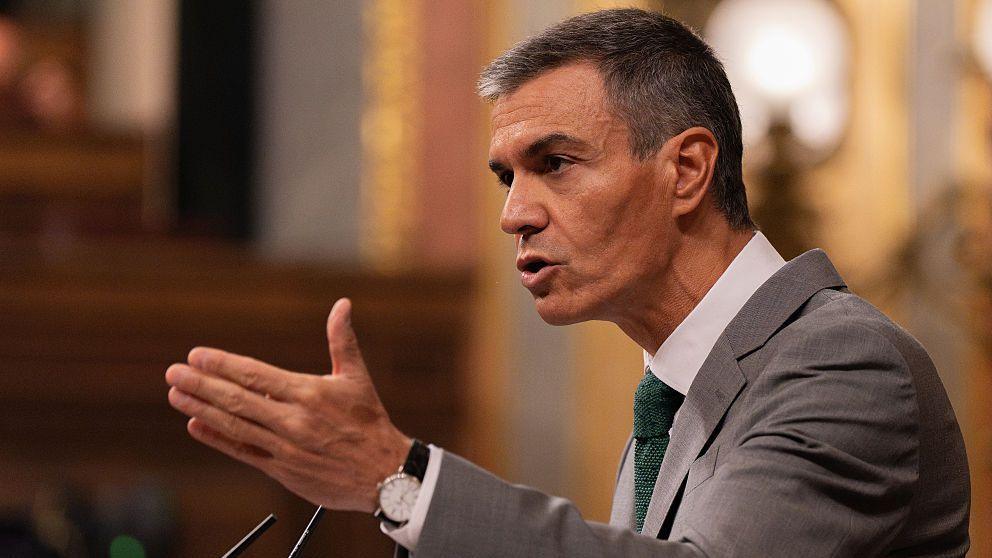
Prime Minister Anwar Ibrahim has said he is responding to growing public hostility toward the Rohingya Muslim refugees who have populated Malaysia for the past decade. He argues that continuing to accommodate them is a “burden” for security, economy and public sentiment.
Whether any of the deported people are Rohingyas is unclear, as they are not recognised as citizens in Myanmar, a country that the UN has described as conducting acts of genocide against the group. More than a million Rohingyas have fled violent military campaigns in Rakhine State.
Shifting Sentiment
For years Malaysians sympathised with fellow Muslims in Myanmar, but the pandemic and social‑media allegations fueled a spike in anti‑Rohingya sentiment. Online misinformation campaigns have branded the refugees as a drain on resources and a security threat.
In May, a viral claim that Rohingyas improperly disposed of animal waste after the Eid al‑Adha festival triggered a 400,000‑signature petition demanding their expulsions, before it was removed from the platform.
A PM Under Pressure
Anwar’s reputation as a champion of liberal values has been eroded by the coalition he formed with UMNO, an ethnic Malay party. His popularity has crashed in recent local elections, and he faces pressure to call a general election by early 2028.
Political scientist Tricia Yeoh notes that ethnic Malays are rallying around a narrative of requiring special protection from the state, which feeds fear and resentment of outsiders.
Forced Home?
Rohingya refugees cannot legally enter Myanmar as they lack citizenship documents. Even if they were allowed in, they are confined to Rakhine State, much of which is under the control of the insurgent Arakan Army and besieged by Myanmar’s military.
On Monday, the Arakan Army reported two bombs that killed 49 people at a market in Kyauktaw. The only viable return point is the besieged capital Sittwe, where refugees face severe shortages of food and medicine.
Both governments have offered no clear plan for how the deported will survive upon arrival. International rights groups fear forced conscription and human‑rights abuses.
Rohingya refugee rights advocate Nur Sadek stresses that any return should be voluntary and based on dignity, not coercion.