In brief
Hungary's Parliament has fast-tracked a law prohibiting LGBTQ+ Pride marches, leading to demonstrations and fierce criticism from human rights organizations. Prime Minister Viktor Orban’s Fidesz party, which has ruled since 2010, implemented the measure, arguing on the grounds of child safety against "woke ideology." This move follows years of increasing government restrictions on LGBTQ+ rights, including the invalidation of legal recognition for transgender individuals.
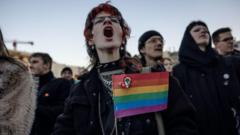
The law, passed with alarming speed just one day after proposal, has incited protests, particularly in Budapest where demonstrators blocked key bridges during the parliamentary vote. The law stipulates penalties for any assemblies opposing it, which could include fines and police surveillance through facial recognition technology. Critics argue the legislation is a façade for a broader, oppressive agenda against the LGBTQ+ community, deeming it “fascism” rather than genuine protection of children. Opposition members and advocates vowed to continue efforts to uphold their rights and planned pride gatherings despite the new prohibitions, underscoring a resilience to fight back against increasingly authoritarian policies as Hungary approaches its next elections.