In brief
Kalki Koechlin’s book ‘The Elephant in the Womb’ became the stage play Belly of the Beast, crafted with famed director Sheena Khalid. The drama follows five women at different stages of motherhood, exposing not only the joys but also the stark realities of pregnancy, labour and caretaking. Episodes of abortion, miscarriage and postpartum depression are woven in, breaking a cultural silence in India where motherhood is idealised. The play received a standing ovation at its Delhi premiere, praised for balancing heavy themes with humor. It calls for shared responsibility in childcare and opens dialogue about the unheard pains of mothers.
The birth of a baby is celebrated as a moment of joy. But motherhood can be messy and untidy.
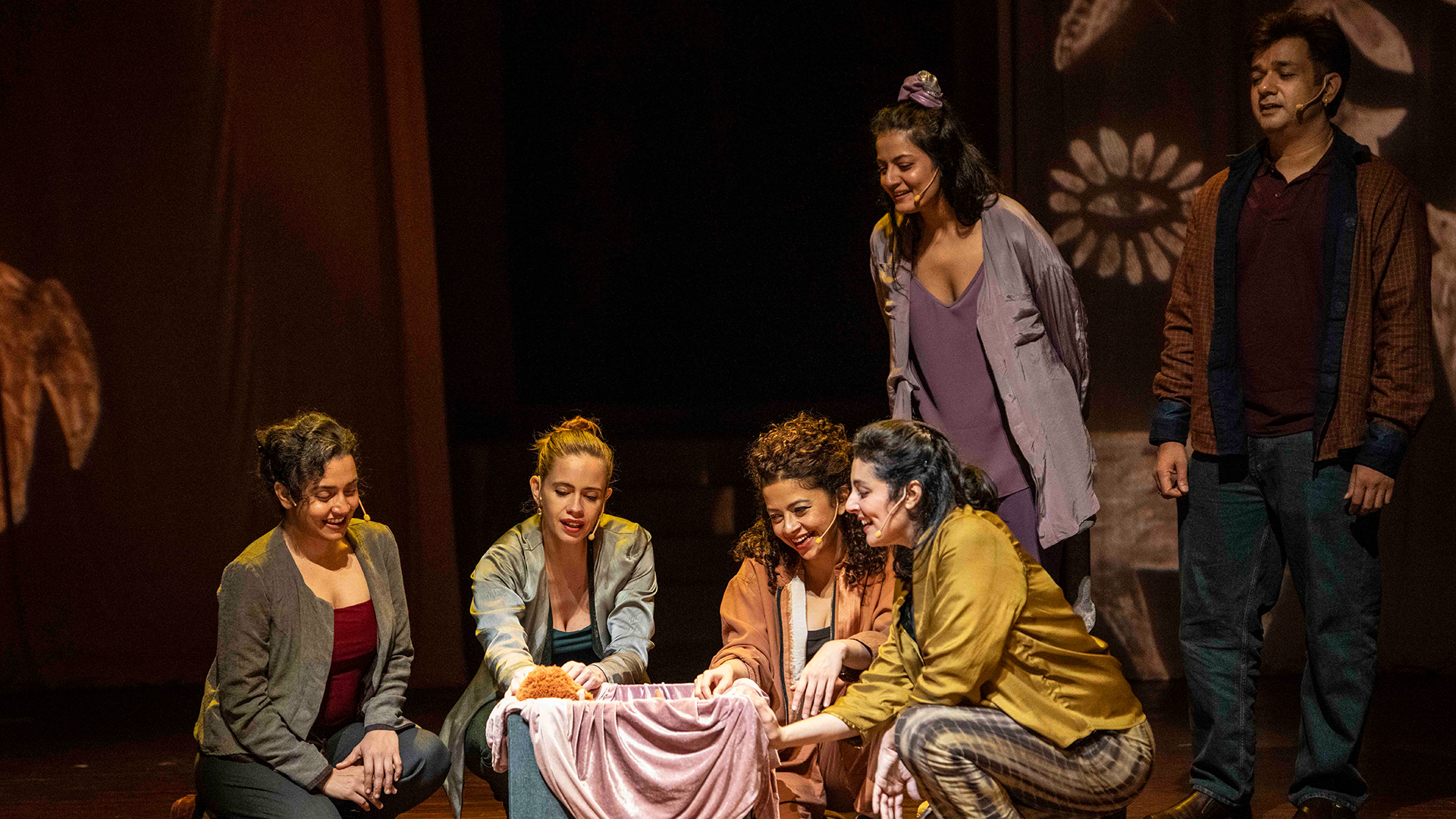
Kalki Koechlin, an Indian Bollywood actor, tackled this truth in her new play Belly of the Beast, directed by Sheena Khalid.
Adapted from Koechlin’s 2021 book The Elephant in the Womb – written just months after giving birth – the drama turns an unflinching spotlight on five women, from pregnancy and labour to raising young children. It also touches on abortions, miscarriages and postpartum depression.
In India, where motherhood is a sacred duty, the play’s candid conversation is a refreshing shift. Koechlin says women are rarely allowed to express the darker feelings of hormonal changes, loss of identity and postpartum depression.
She noted: “The story is about the gift of motherhood, but there is also a part of you grieving and losing identity.”
At its Delhi premiere, the two‑hour‑ten‑minute performance earned a standing ovation, praised for its pacing, humour and emotional depth.
Talking about miscarriages in live theatre is rare; one actress, Shruti Vyas, drew on her own experience, urging acknowledgement that pain may not be visible. She said audiences responded with a collective “yes, it should be okay.”
The play highlights the burden on Indian women’s shoulders: the statistic that childcare and housework keep around 69% of urban women out of the labour force. It also calls for shared responsibility and normalises the idea that it’s okay to ‘drop the ball’.
By portraying raw, untuned moments of motherhood, Belly of the Beast not only reflects countless women’s realities but invites society to reconsider how mothers are perceived and supported.