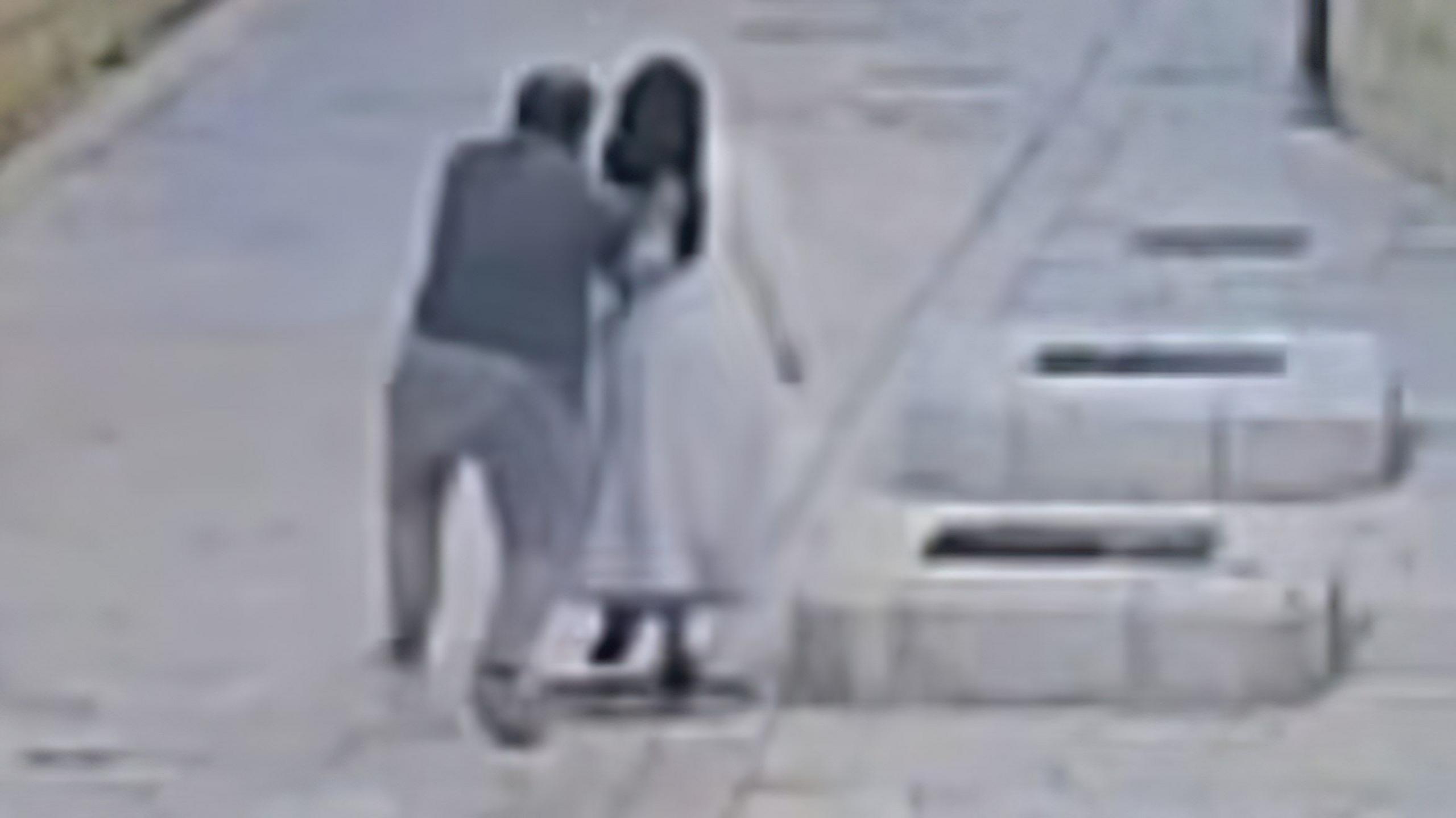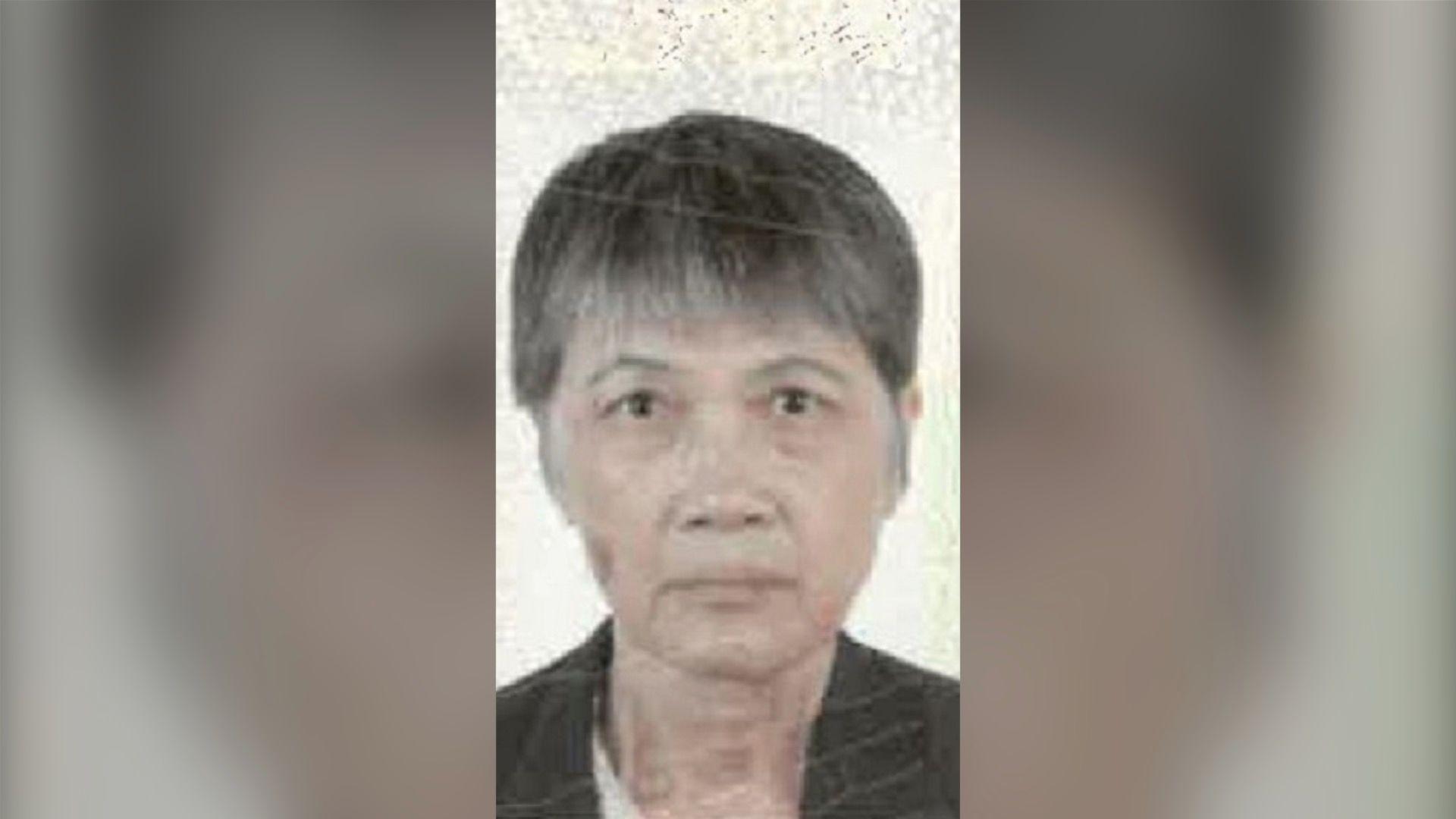
On the night of a late‑July weekend, Abderrahim Fakir, a 41‑year‑old Moroccan‑born resident of Bologna, died after police officers restrained him with pepper spray and handcuffs. A graphic video, showing the officers leaning on Fakir’s face as he succumbed, spread across social media and sparked a chain reaction of protests.
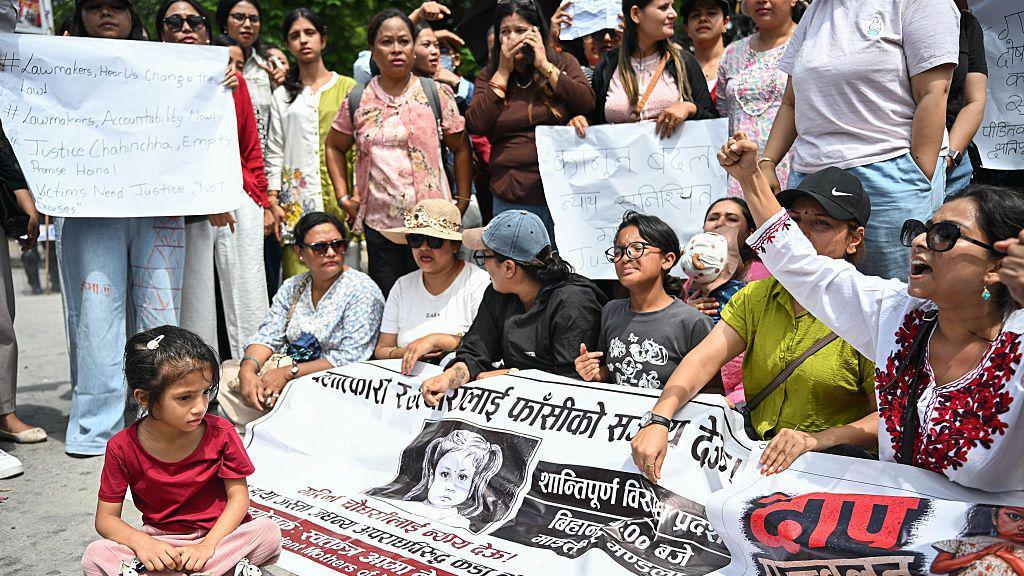
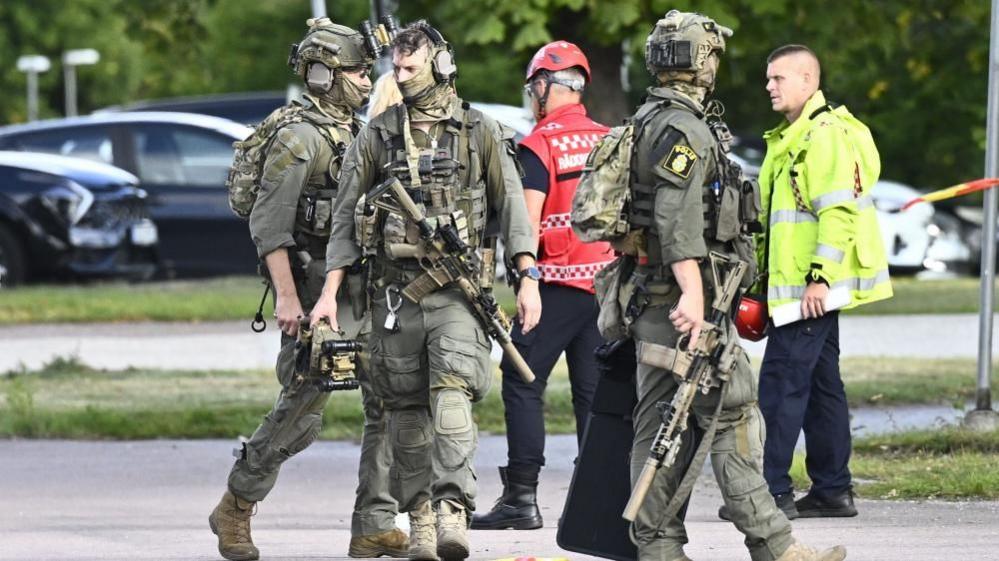
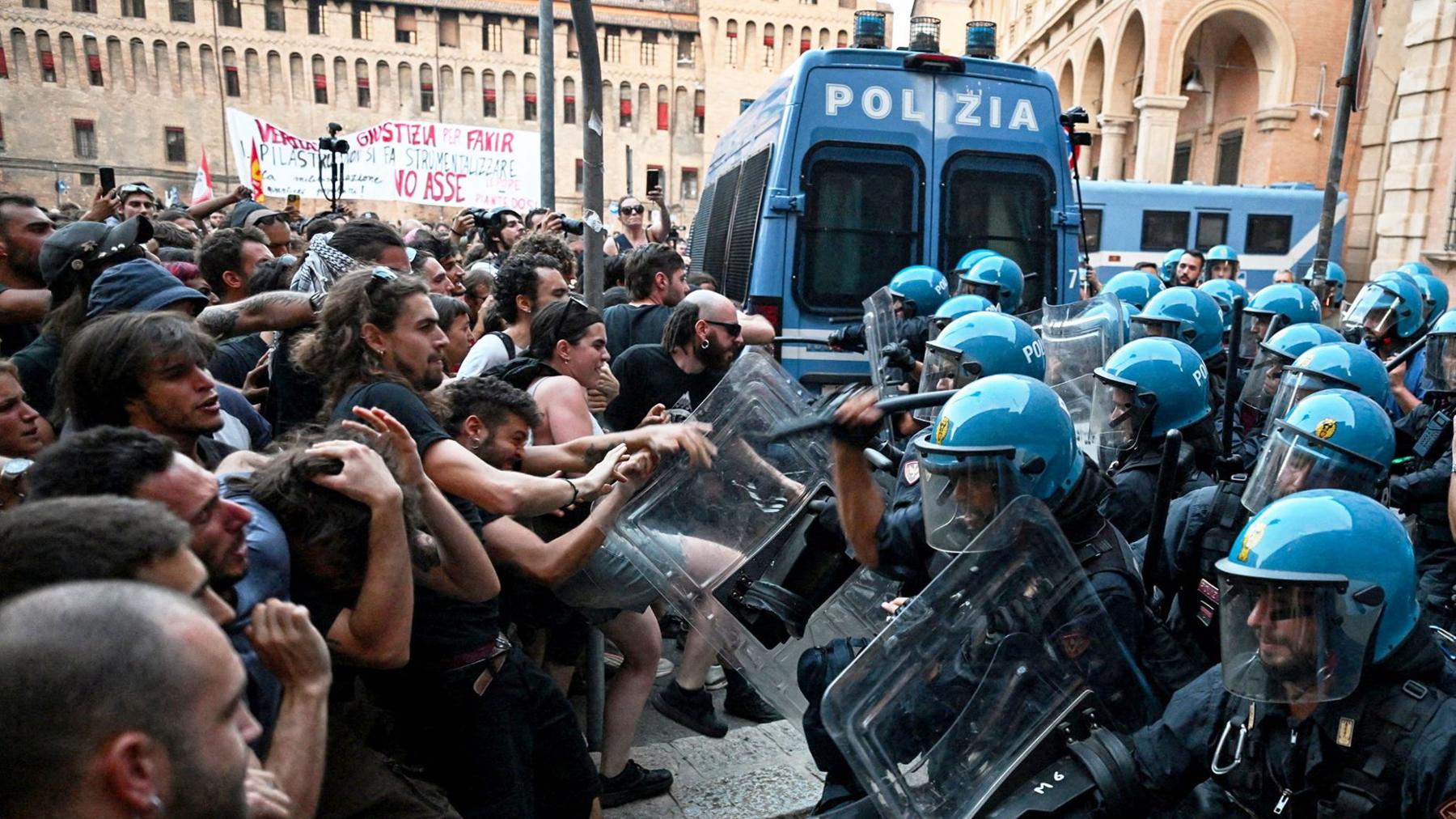
Hundreds traveled down the streets of Bologna’s Pilastro district demanding “justice for Abderrahim Fakir.” The demonstration stayed calm for most of the evening, yet a smaller group erupted into clashes with officers, consigning the city to a night of arrests and damage to two cars.
According to the city hospital, 64 police officers were injured in the unrest, while emergency workers at the scene face an investigation into whether their conduct may have contributed to the man’s death. Prosecutors have opened a manslaughter probe involving the two officers, a bystander who helped restrain Fakir, and medical personnel present at the scene.
Mayor Matteo Lepore called the incident “shocking,” inviting Fakir’s niece to speak on a stage in a public rally the next day. He also warned that a subset of protestors intended to use the tragedy to justify violence against law enforcement.
Prime Minister Giorgia Meloni labelled the tragedy “unacceptable,” urging a comprehensive investigation but stressing that no violence against officers could be justified. In a move that drew backlash from opposition politicians, Meloni denounced the use of the incident to “sow confrontation.”
Police union Secretary‑General Domenico Pianese defended the force used by officers, citing body‑cam footage that the police considered “correct.” “The first thing we did after the incident was hand over all the footage to prosecutors,” he said, suggesting that the use of pepper spray and citizen‑assisted restraint were necessary given Fakir’s erratic behavior.
The protests also carried broader grievances, with signs referencing other high‑profile deaths such as that of Stefano Cucchi in 2009. The incident has reignited debate over police accountability and the limits of protest, as opposition parties criticize the government’s stance on law enforcement.
After the death, investigative teams have scoured body‑cam footage and hospital records, while civil society groups call for transparent accountability. As municipal and national authorities review the handling of the scene, the people of Bologna grapple with the ramifications of an event that no longer sits in the realm of mere politics, but in the hearts of a nation keen for justice.