In brief
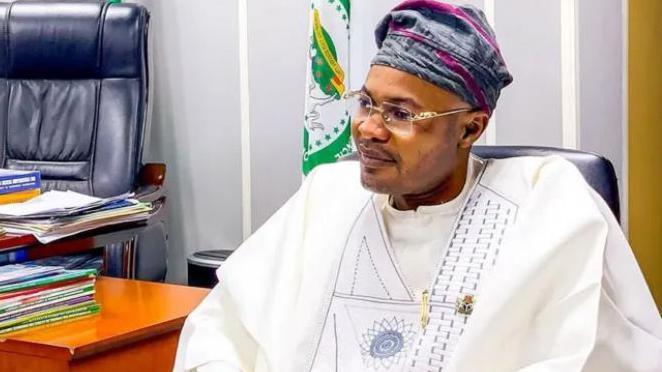
Adeniyi Adeyemi Matthew, who claimed to be the Director‑General of the purported Presidential Foreign Investment Promotion Council (PFIPC), was arrested in Osun State after a week of evading authorities. His detention follows a court warrant issued by the Federal High Court in Abuja for forgery and impersonation charges, sparked by revelations that the council’s founding documents were forged. Adeyemi’s case highlights a broader investigation into corruption under President Bola Tinubu’s directive and calls from civil society for an independent inquiry.
Adeniyi Adeyemi Matthew, who had portrayed himself as the Director‑General of the so‑called Presidential Foreign Investment Promotion Council (PFIPC), was taken into custody by police in Osun State on Thursday. His arrest came after a warrant issued by the Federal High Court in Abuja on Tuesday, following his failure to appear for a hearing on charges of forgery and impersonation.
The sharp end of the saga began the previous week when President Bola Tinubu ordered a probe into the PFIPC, describing it as a “bogus” body that had been set up in the executive office. Investigators uncovered that the agency’s founding letter, supposedly signed by the President’s chief of staff, Femi Gbajabiamila, was a forgery. The PFIPC had been given an allocation of 1.3 bn naira (about $950,000) in the 2026 Appropriation Act and even secured office space within the Federal Secretariat, yet no official record showed it receiving any funds or having operated a bank account.
According to court documents, Adeyemi and two others are accused of using forged official documents to create and run the council, opening multiple bank accounts in its name and seeking formal recognition for an agency that never existed.
“My life is in danger,” Adeyemi told a local outlet following his arrest, though he pledged to appear in court to clear his name. His lawyer, Genesis Francis, said the client had been reluctant to attend the hearing, citing safety concerns after writing an open letter to President Tinubu expressing those fears.
Police intelligence units, including the Force Intelligence Department and the Intelligence Response Team, were involved in the manhunt and the operation that apprehended Adeyemi. He is expected to be taken to the police headquarters in Abuja for further questioning amid a broader investigation into alleged corruption within the government’s bureaucratic channels.
The scandal has triggered calls from civil society groups, opposition politicians, and senior lawyers for an independent inquiry, aiming to clarify how a non-existent agency acquired a substantial budget and forged presidential documents. Adeyemi’s high‑profile case has become a symbol of the opaque practices that some accuse of undermining Nigeria’s democratic institutions.
For more on this investigation and its implications for Nigerian governance, keep following BBC Africa and other reliable sources.