In brief
In Nazareth’s busy streets, students hand out leaflets urging Arab Israelis to choose their own lists in next week’s election. Polls suggest that the two main Jewish blocs – Netanyahu’s right‑wing coalition and a centre‑right “Change Bloc” – fall short of a majority, leaving the Arab vote as the critical balance. The United Arab List and the Joint List campaign on equal rights and a two‑state solution, promising influence in government if they secure a coalition role. However, they face legal challenges and accusations of anti‑Israel rhetoric, while the ruling coalition has branded them extremist. The stakes for Arab citizens – and for Israel’s future political landscape – are high.
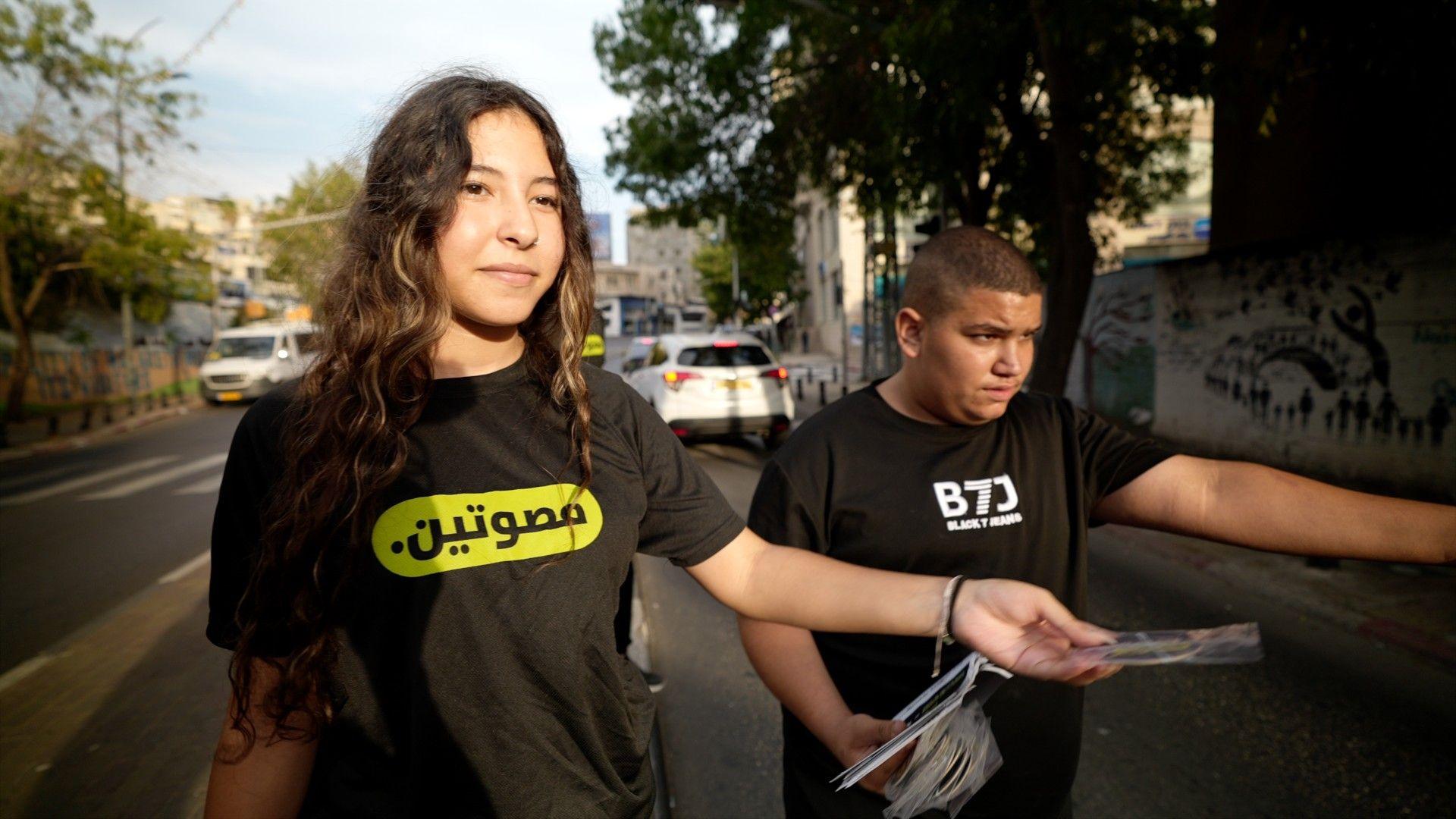
In Nazareth, the largest Arab‑majority city in Israel, students hurry to hand out leaflets, urging motorists to vote for Arab‑led lists in the country’s upcoming parliamentary election.
Arab citizens, who make up about a fifth of Israel’s population, have historically turned out in under‑spectated numbers. This election, they face a stark choice: oppose the far‑right coalition led by Prime Minister Benjamin Netanyahu, or engage in a potential new government that could award them greater influence.
Most opinion polls show no single block securing a parliamentary majority. The Netanyahu‑led bloc and the “Change Bloc” – headed by former military chief Gadi Eisenkot – each hover near the 50‑seat threshold, leaving roughly a dozen seats to Arab‑majority parties.
Eisenkot has declared that he will not ally with Arab lists, citing shared values. However, if the right‑wing coalition fails, anti‑Netanyahu parties may be forced to renegotiate or open the door to Arab partners. This could dramatically reshape Israel’s political balance.
At the same time, the United Arab List (UAR) and the Joint List (a coalition of Hadash, Balad and Taal) appeal to voters with promises of equal rights, an end to occupation, and a two‑state solution. In return, they seek a safety net within opposition—a platform to influence key policies.

Chief concerns driving Arab voters include rampant gang crime. A recent survey by the Israel Democracy Institute found that gang violence ranked as the top issue for over half of Arab citizens deciding where to cast their ballot. Last year, murders in Arab communities reached 252—five times the number of Jewish Israelis killed.
Legal battles over candidacy have intensified, with the Central Elections Committee attempting to disqualify the UAR and Joint List for alleged statements about Israel’s Jewish state. Israel’s Supreme Court overturned that decision just weeks before the vote, allowing the parties to stay in the race.
In Jaffa, a mixed Arab‑Jewish neighborhood of Tel Aviv, Ziad Samouni mourns the unsolved murder of his son, Hussein. The case reflects deeper frustration over a perceived lack of accountability for crimes within Arab communities.

With election day fast approaching, motorists in Nazareth wave flags for their chosen parties, turning streets into pop‑up canvassing sites. Arab voters see the vote as a pivotal moment to secure equal rights and address long‑standing grievances. What will the outcome mean for Israel’s democracy and the rights of its Arab minority remains an open debate.