Brigitte Bardot: The Icon Who Transformed 1950s Cinema
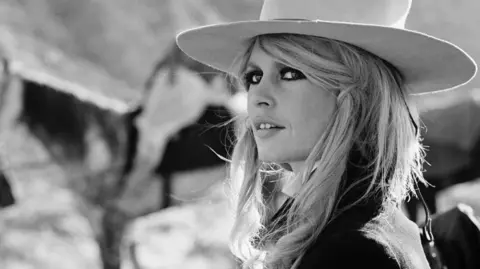
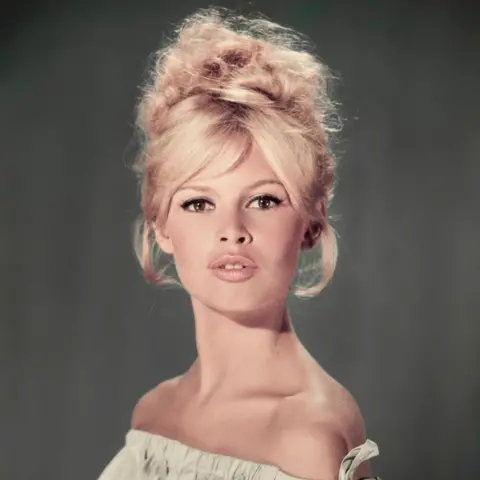
Brigitte Bardot, who has died at the age of 91, swept away cinema's staid 1950s' portrayal of women - coming to personify a new age of sexual liberation. On screen, she was a French cocktail of kittenish charm and continental sensuality. One publication called her 'the princess of pout and the countess of come hither', but it was an image she grew to loathe.
Bardot was ruthlessly marketed as a hedonistic sex symbol in her films, often feeling frustrated in her ambition to be recognized as a serious actress. Eventually, she chose to abandon her Hollywood career for advocacy, becoming a leading voice for animal welfare.
However, her reputation took a hit later in life due to her controversial statements, including homophobic remarks and a legal dispute with her son over her comments regarding motherhood.
The legacy left by Bardot is multifaceted; she brought the bikini and female desire into the mainstream, yet her later views often overshadowed her cinematic achievements. Born on September 28, 1934, in Paris, Bardot’s upbringing was strict, yet her desire for independence led her to a career that would change film forever.
Amidst her tumultuous personal life and three failed marriages, Bardot surged to fame, highlighted by her role in 'And God Created Woman' in 1956, which caused a minor revolution in the cinematic landscape.
After nearly 50 films, Bardot retired from acting in 1973, pivoting her focus toward activism. I gave my beauty and my youth to men. I'm going to give my wisdom and experience to animals, she stated.
Despite her dedication to animal rights, she faced scrutiny in her later years for her remarks on immigration and multiculturalism, culminating in legal issues that marred her public image. Ultimately, Bardot remains a complicated figure—an enduring icon of liberation yet also colored by controversy, whose journey inspired and perplexed generations.