British‑Israeli relations hit their lowest point in decades
Britain’s ban on products made in Israeli settlements in the West Bank is a watershed moment for the UK’s foreign policy, provoking a fierce backlash from Israel and destabilising a long‑standing partnership.
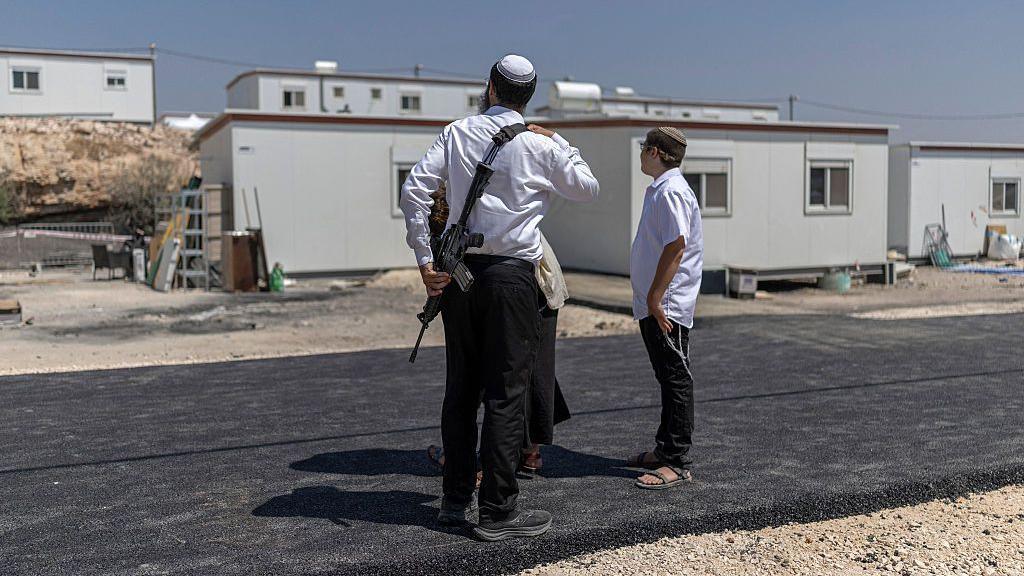
On Tuesday, the UK joined 11 other nations to prohibit the import and export of goods produced in Israeli settlements, a decision echoing the 2024 ruling of the International Court of Justice that the occupation is unlawful. The move was coupled with new restrictions on companies that build, finance or support settlement infrastructure, and on arms that materially aid the occupation.
Israel’s mechanics of reaction have been swift and dramatic. London’s consulate in East Jerusalem, which liaises with the Palestinian Authority in Ramallah and covers the West Bank, was closed. British officials were also removed from the International Gaza Support Centre, signalling a break in two key diplomatic posts.
Foreign Secretary Ed Miliband unleashed a candid, emotionally charged letter that described settlers’ violence as “terrorist” and accused Israel of “ethnic cleansing.” He called the UK’s action a reset of policy and highlighted his personal pride as a British Jew still supporting Israel. This unprecedented rhetoric has stunned many in Israel, who felt already on the defensive against global pressure.
While the penalties for product bans might be limited to a small share of Israel’s exports, the symbolic weight of singling out settlements is immense. For Palestinians, the sanctions are seen as progress—an international “turning point” that could pave the way for a state on 1967 borders with East Jerusalem as its capital, according to the Palestinian ambassador in London.
The strategic fallout is significantly shaped by U.S. influence. Historically, American governments have been reluctant to curb Netanyahu’s settlement policies, with the Trump administration declining to impose comparable sanctions. Britain’s stance therefore pits it against both Israel and Washington’s current policy orientation.
These developments leave the viability of a Palestinian state in a precarious position, as the 12‑country sanction package alone is unlikely to reverse decades of settlement expansion. The diplomatic rift signals a new era of friction, with Britain and Israel likely negotiating from markedly weakened positions in the months ahead.