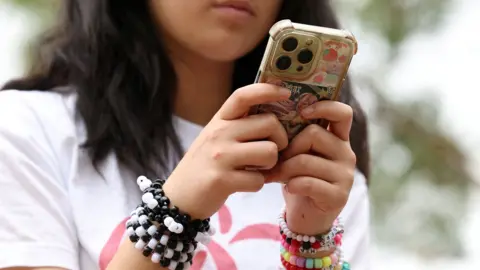
PROVIDENCE, R.I. (AP) - When a gunman began firing inside an academic building on the Brown University campus, students didn't wait for official alerts. Instead, they immediately started sharing information through their phones, accessing urgent updates from one another, creating a chaotic but vital flow of communication to potentially save lives.
On December 13, during finals week, the attack played out as many students turned to Sidechat, an anonymous message board favored on college campuses across the U.S., for real-time updates amidst the chaos.
Analysis of nearly 8,000 posts from the first 36 hours after the shooting reveals how social media has become an indispensable tool for students navigating crisis situations.
Fifteen minutes before Brown's first alert about the active shooter, students were already documenting the turmoil around them. Their fragmented posts composed a digital timeline that encapsulated the frightening reality of a college campus confronted with a mass shooting.
While sheltering in libraries and classrooms, students continued to post updates, some from hospital beds, sharing their immediate experiences. Posts varied between anxious queries about the shooter and urgent calls to take cover, shaping a communal experience of distress and confusion.
As students sheltered in place, the situation escalated, and a mix of false information and real updates quickly spread on social media. Over the weekend that followed, students described their sense of disconnection from a campus they used to consider safe, even as they began to return to classes under heightened security.
Days later, as details emerged about the gunman and subsequent investigations were conducted, many students expressed a lasting sense of grief not only for the victims but for the loss of safety within their daily lives at the university.
This tragic incident serves as a reminder of the evolving dynamics of information sharing during emergencies and highlights the need for effective communication strategies in educational settings.
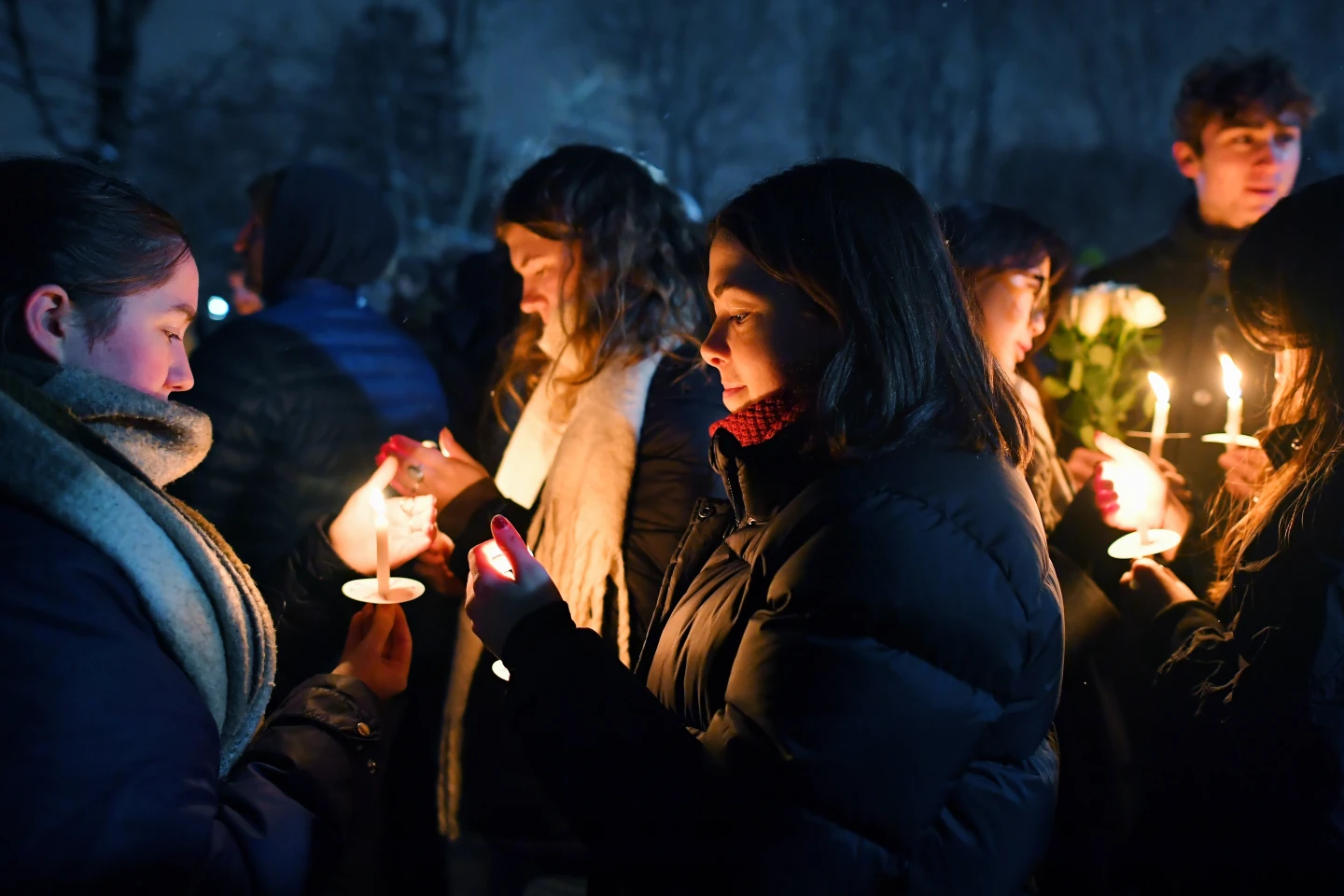
In the quiet aftermath, students gathered at memorials to mourn victims and reflect collectively on the lasting impact of that day, which forever changed their lives.
}