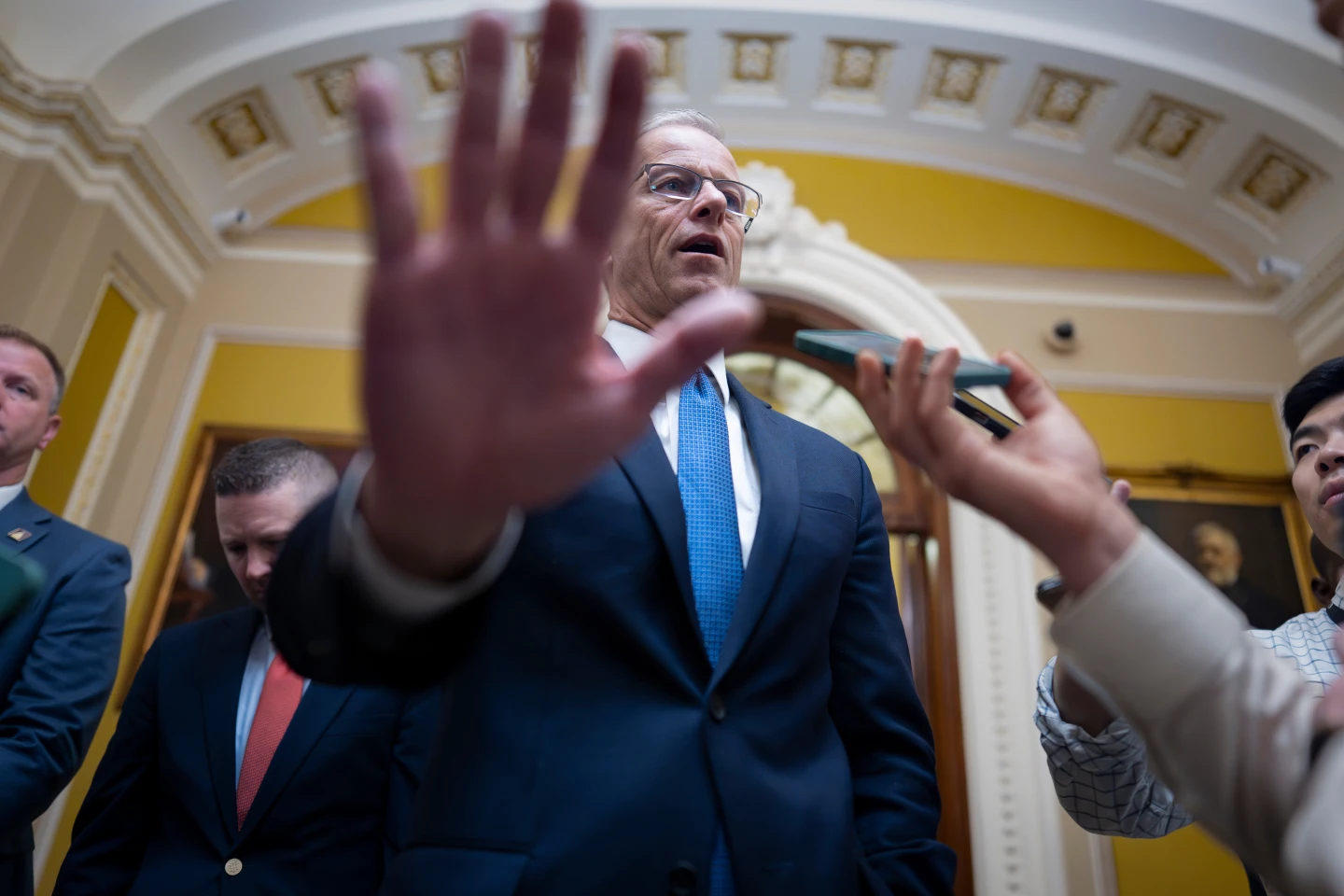
WASHINGTON (AP) — The scrutiny of federal immigration practices intensified during a Senate hearing led by Sen. Rand Paul, who presented a video analysis of the controversial shooting death of Alex Pretti. Paul expressed his belief that immigration officers miscalculated the threat presented by Pretti, questioning the use of retractable force during the confrontation.
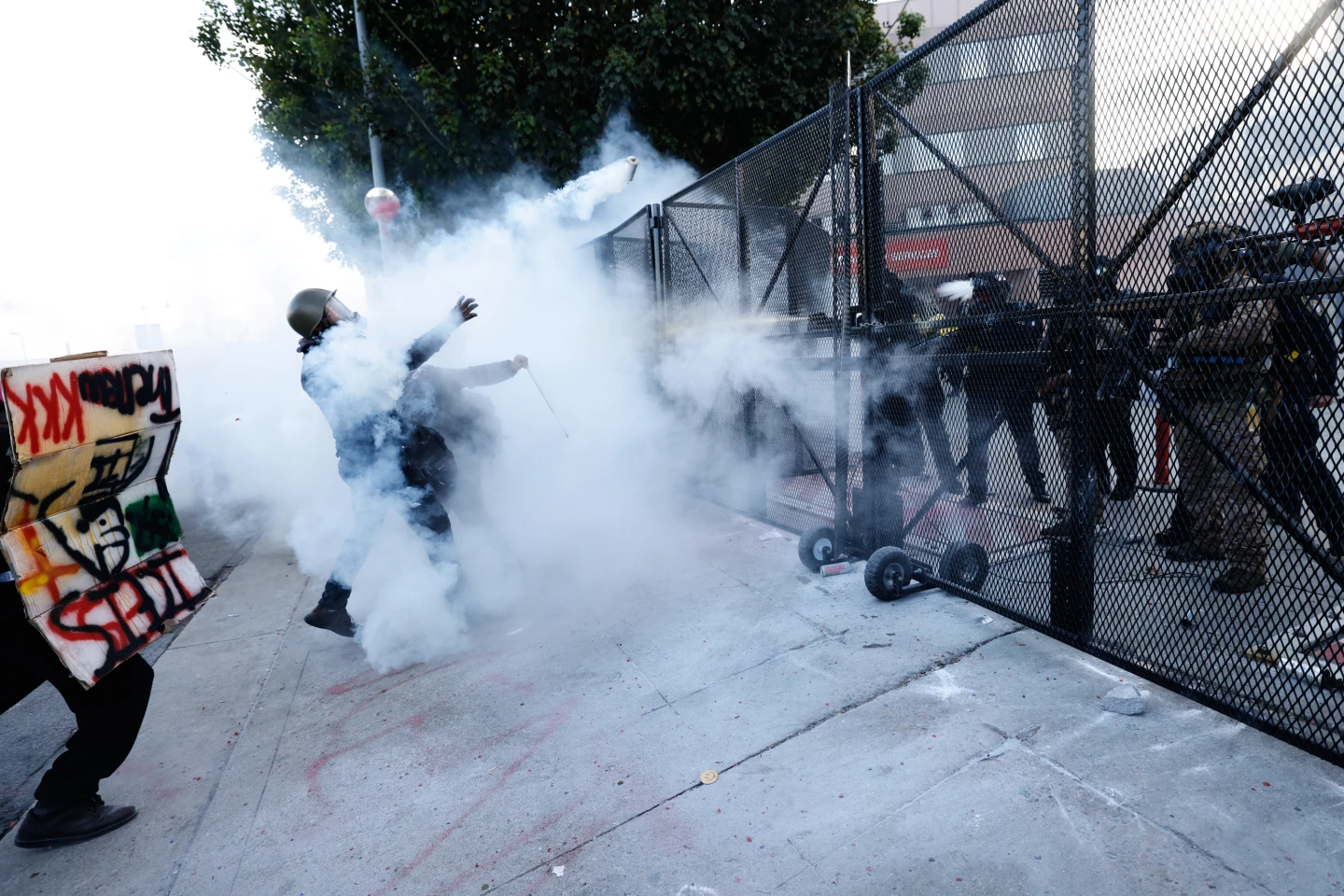
The hearing was convened in response to the fatalities of two protesters linked to recent immigration enforcement actions in Minneapolis, raising questions not only about operational protocols but also about the broader trust Americans place in immigration agencies.
Paul took a critical stance, highlighting that Pretti was seen retreating before being pepper-sprayed by law enforcement officers. His comments captured a political divide; while some Democrats vehemently condemned the actions of CBP and ICE, Paul stood out as a lone Republican voice scrutinizing the agencies' tactics. The overarching message from Paul was clear: public trust has eroded, necessitating a recommitment to transparency and accountability from immigration enforcement agencies.
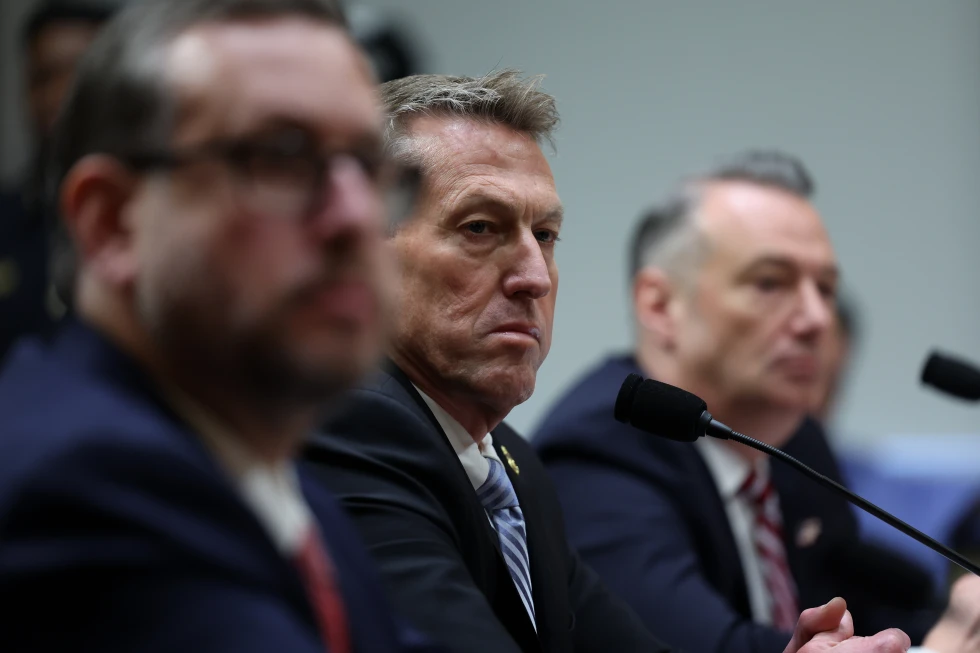
Witnesses at the hearing included top officials from Immigration and Customs Enforcement (ICE) and Customs and Border Protection (CBP). The witnesses faced tough questions not only regarding operational tactics but also in light of prior accusations about unaccountability in the wake of excessive force claims.
Responding to Paul's questioning, CBP Chief Rodney Scott argued that Pretti was not complying with officers' commands during the encounter, implying that his actions justified their response. Conversely, acting ICE Director Todd Lyons asserted that ICE does maintain accountability, referencing investigations opened since Trump's administration aimed at addressing excessive force allegations.
As debates continued regarding the nature and legality of administrative warrants used by ICE to effect arrests, other officials redirected criticism towards state and local governance, citing threats faced by immigration officers while executing their mandates.
Ultimately, the hearing illustrated the much-debated line between enforcing immigration laws and protecting public safety while raising pivotal questions about accountability and reform within federal immigration agencies.