In brief
In the sleepy Atlantic town of Debert, a 64,000‑sq‑ft Cold‑War bunker is being transformed into a $50‑unit luxury condo complex. Built for 329 people during the nuclear‑war era, the Diefenbunker will now feature gourmet dining, biometric access, full‑contact surveillance, a spa, a yoga room, and an on‑site data centre. Crypto magnate Jonathan Baha’i, who purchased the site in 2013, says the upgrade prefers disaster readiness over apocalypse prophecy, citing storm events such as Hurricane Fiona and the growing global prepping market. While local residents and museum curators worry the historic facility will lose its heritage, the mayor and business owners affirm the development is boosting the town’s economy and furnishings a niche market. Already 11 units sold, the project is slated for completion early next year.
A Cold‑War bunker gets a luxury makeover as ‘doomsday’ condos.
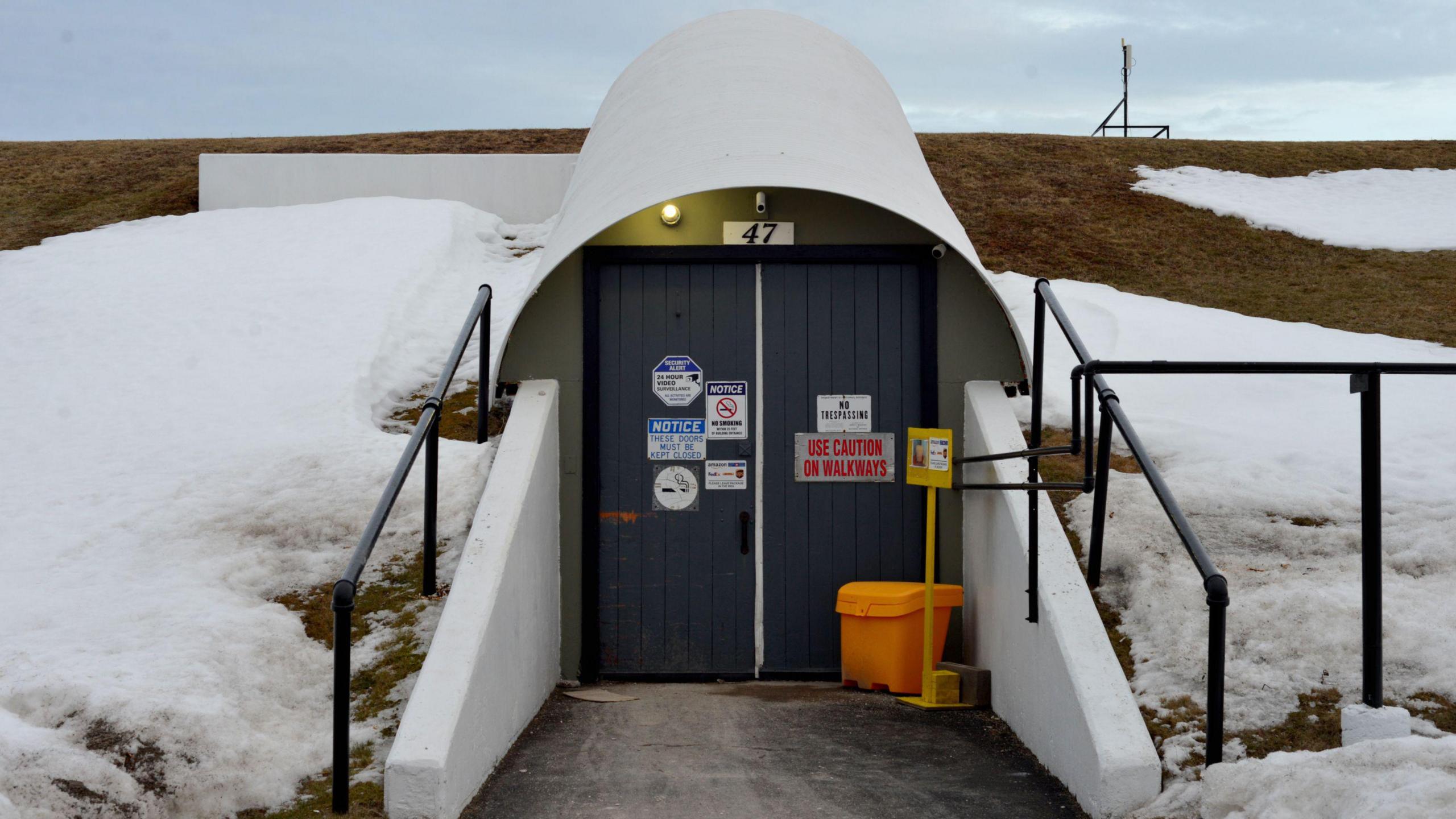
In the lonely business park of Debert, Nova Scotia, the former military base—where thousands of World War II soldiers trained—is now a patchwork of abandoned buildings and parking lots. A massive grassy hill near one end is the site of the 64,000‑sq‑ft Diefenbunker, a bunker built in the 1970s to keep 329 people safe for 30 days in the event of a nuclear strike.
Crypto mogul Jonathan Baha’i has bought the former bunker and repurposed it into a boutique condo complex of 50 units. Each unit boasts off‑grid living, biometric entry, 24‑hour surveillance, a personal spa, a yoga room, a cigar lounge, stainless‑steel appliances, a self‑sustaining food system, and an adjacent over‑ground bunker for agriculture.
The project is managed by Baha’s Fallout Complex Inc and is partnered with German firm Bespoke Home & Yacht Security, which has served high‑profile clients such as the US Vice‑President and Kim Kardashian. Bespoke will use drones to monitor the perimeter, and the complex will include an on‑site data centre of 15,000 sq ft designed for low power consumption and maximum protection.
Beyond residential living, Baha has created an Airbnb‑style service: when condo owners are absent, the units are leased as short‑term hotel rooms, keeping revenue flowing. Rental and sales terms are set to remain confidential.
Project advocates say the upgrade supports the local economy and preserves the bunker’s relevance, turning an obsolete Cold‑War relic into a community asset. Former Debert mayor Blair notes residents have expressed enthusiasm, fearing no opposition. Business owners expect increased traffic and commerce from the influx of tourists and potential tenants.
Some locals and the Debert Military Museum are apprehensive. Secretary Annette Sharpe worries that the historic site could be lost to a private venture that alters its heritage. The museum’s staff still showcase old bunker equipment—including communication boards and warning systems—underscoring the tension between preservation and profit.
Despite concerns, the renovation plans include plans for a fully off‑grid energy system and a discreetly running data centre, aimed at serving a niche market of clients seeking secure, sustainable infrastructure amidst a looming disaster‑prepping boom. The Diefenbunker is now slated for completion early next year, and its 11 sold units show a promising start to this novel venture.