Heidi Rathjen has been advocating for a ban on assault-style rifles since 1989, following the tragic shooting at Montreal's École Polytechnique, where a gunman killed 14 women. This event marked a turning point in Canada's perception of gun violence.
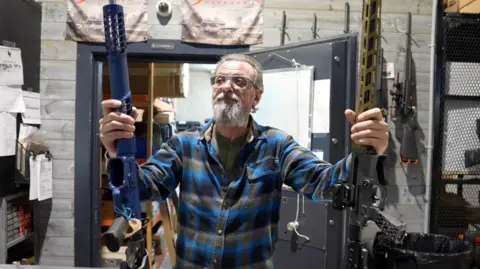
More than two decades later, Ottawa introduced a ban on approximately 2,500 models of such assault-style weapons following a deadly mass shooting in 2020. However, the government's buyback program intended to purchase these prohibited firearms has faced multiple hurdles and is expected to miss its objectives.
Distrust has emerged among legal gun owners regarding the buyback process. Furthermore, the provinces of Alberta and Saskatchewan have refused to participate, expressing concerns over compensation for affected owners. Activists like Rathjen have stated that the ban’s limited scope undermines its public safety objective. She emphasizes that without a comprehensive ban on all assault weapons, the efforts may result in wasted resources.
The Canadian Minister of Public Safety, Gary Anandasangaree, has come under fire for criticizing the buyback program, acknowledging its shortcomings in a leaked recording. While he later reaffirmed the importance of the initiative, many still question why Canada struggles with a program that was successful in regions like Australia, which enacted a similar buyback following the 1996 Port Arthur massacre.
Experts indicate that the fragmented rollout in Canada, combined with resistance from law enforcement agencies, has complicated the potential for success. The current approach lacks the comprehensive framework necessary for effective gun control reform.
Despite polls indicating strong support for gun control among Canadians, the rollout of this buyback has been met with skepticism, confusion, and outright refusal in some areas. The challenge remains: how to effectively implement gun control measures that can address both legal and illegal firearms within Canadian communities.