Sioux Falls, S.D. (AP) — Potentially millions of Americans suddenly have a much easier path to Canadian citizenship, prompting a rush to explore their ancestry and file paperwork seeking dual citizenship.
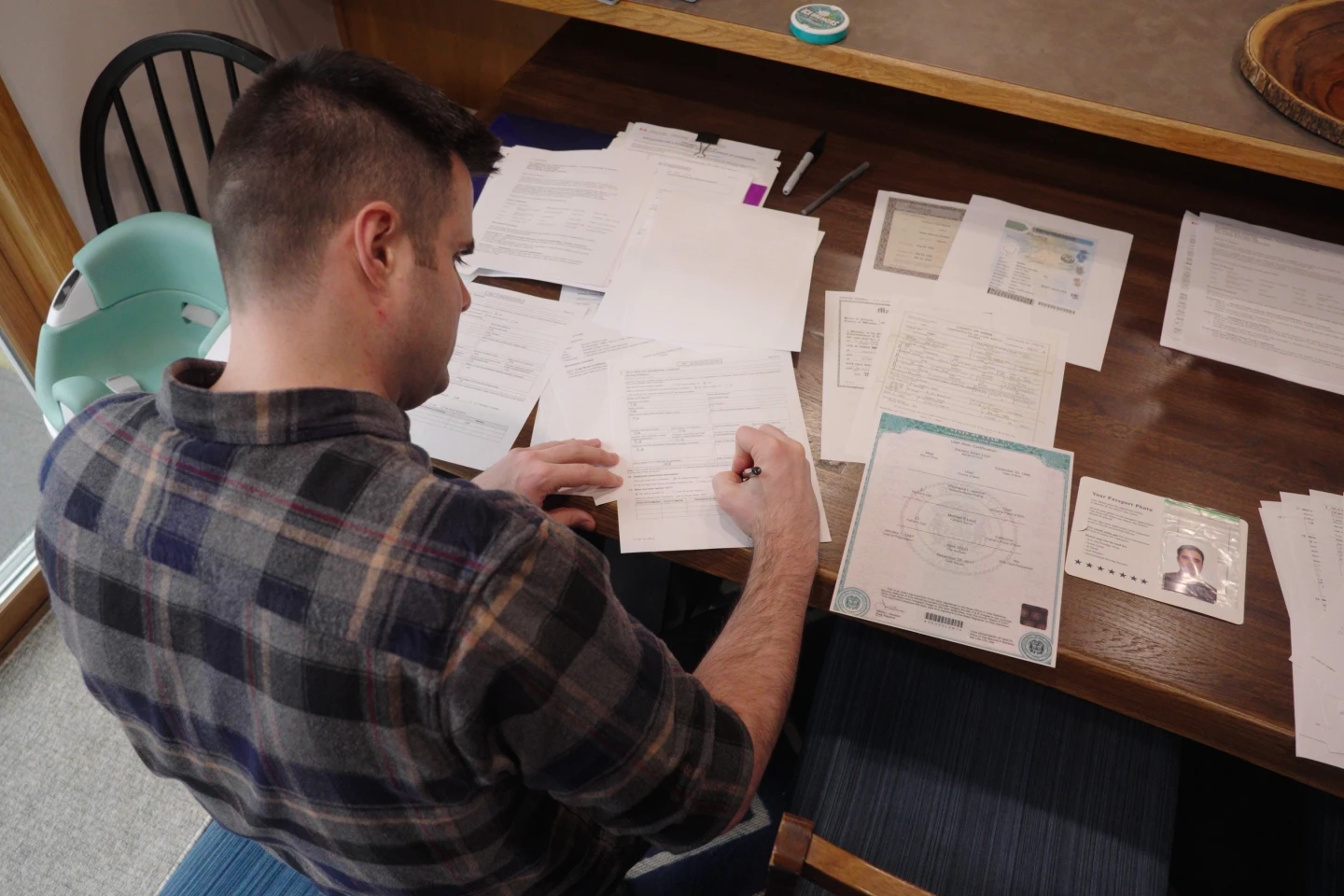
For individuals like Zack Loud from Farmington, Minnesota, it was a surprise to learn that under a new law, Canada considers him and his siblings citizens due to their grandmother's Canadian heritage.
My wife and I were already contemplating job opportunities outside the country, but citizenship has elevated Canada significantly on our list, Loud stated.
Since the enactment of the new law on December 15, 2025, immigration attorneys in both the U.S. and Canada report being overwhelmed by requests for assistance with citizenship applications. Influenced by political climates, family ties, and job prospects, thousands of Americans are pondering whether now is the ideal time to pursue dual citizenship.
Nicholas Berning, an immigration attorney based in Bellingham, Washington, shared that his practice is inundated with applicants stating, We’ve shifted focus away from other work to expedite these cases.\
Similarly, attorney Amandeep Hayer from Vancouver, B.C., mentioned that his consultations increased from approximately 200 citizenship cases yearly to over 20 per day.
How the new law works
Canada has adjusted its citizenship laws numerous times over the years, either to update historic interpretations or address issues of discrimination.
Previously, Canadian citizenship could only be passed down from a parent to a child. This changed with the introduction of bill C-3 on December 15, 2025, enabling citizenship eligibility for anyone born before this date who can prove direct Canadian ancestry.
The law opens the door for millions of Americans of Canadian descent who typically would not qualify. Hayer remarked, “You are Canadian, and you’re recognized as such your entire life; this application is about certifying a right you already possess.”
Motivations for Pursuit of Dual Citizenship
Various motivations drive American applicants, with some citing recent political developments as a key factor. Michelle Cunha from Bedford, Massachusetts, stated her decision to pursue Canadian citizenship was a reflection on her long-term activism and a sense of exhaustion with current political circumstances in the U.S.
“I’ve dedicated 30 years to improving the United States. However, it feels like we’re far from achieving equality and freedom,” Cunha remarked.
Troy Hicks of Pahrump, Nevada, felt compelled to explore dual citizenship following an international trip where he encountered negative sentiments regarding the U.S. “Obtaining a Canadian passport seemed like a better option,” he noted.
Conversely, Maureen Sullivan from Naples, Florida, was prompted by local immigration enforcement fears when her nephew faced federal officers near his high school. With Canadian roots via her grandmother, she views citizenship as a safeguard in case the political climate worsens. “Hearing about the bill felt like a gift,” Sullivan expressed.
Application and Costs
The fee for the proof of citizenship application is about 75 Canadian dollars ($55), a modest fee for most. However, costs rise substantially for those seeking professional help. Cunha mentioned that with an attorney's assistance, her expected total will reach approximately $6,500.
In comparison, Mary Mangan from Somerville, Massachusetts, filed her application without legal aid after researching online. “Most people might be able to navigate this without legal assistance,” Mangan said.
President of Carleton University, Fen Hampson, points out that Canadians pride themselves on being welcoming but have reservations about those who might seek citizenship without genuine ties to the country.
Moving forward, it remains to be seen how this influx of Americans seeking Canadian citizenship will impact Canada’s immigration policies and processes for current refugees and asylum-seekers.