In brief
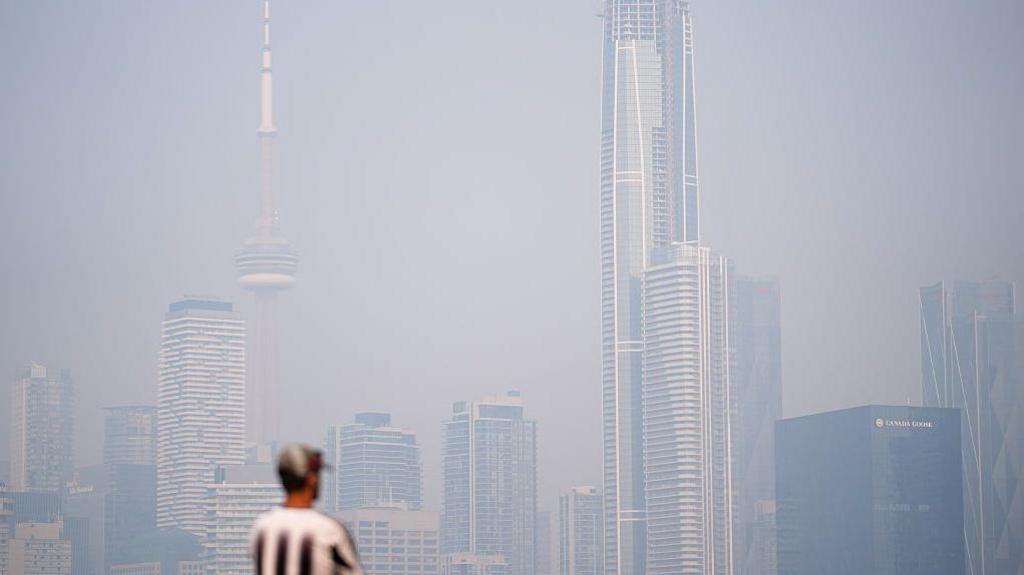
Over 800 wildfires are now burning across Canada, sending thick plumes of smoke that have triggered ‘hazardous’ air‑quality alerts in cities from Toronto to New York and even across the Midwest. The haze has forced the cancellation of outdoor events, shuttered beaches, and ushered in emergency protocols that include free masks and cooling centres. One First Nations community in northern Ontario was forced to evacuate after its homes were burned to the ground. Politicians in the US have written to Canada’s Prime Minister demanding stronger wildfire management, while Canadian officials cite the growing frequency of fires linked to climate change. Pre‑clear, the trend of eastern‑most Canadian fires is being monitored closely for their impact on densely populated urban areas.
More than 800 wildfires across Canada are sending a thick blanket of smoke over major US cities, creating ‘hazardous’ air quality alerts from Detroit and Toronto to New York and the Midwest.
The haze has led to the cancellation of outdoor events, open‑air concerts, and camps, while New York’s Governor Kathy Hochul warned residents that the smoke had “blanketed” the state and “made it very unhealthy to be outdoors.”
In northern Ontario a First Nations community was evacuated after aerial footage confirmed the entire area had been burnt to the ground, with Chief Helen Paavola describing the loss as "burnt to ashes."
US lawmakers have written an open letter to Prime Minister Mark Carney seeking stronger wildfire management, while Canadian officials point to a rising trend of western fires moving eastward and the need to fight climate change.
Air‑quality trackers report that Detroit has the worst indoor air quality in the world, followed by Minneapolis, Chicago, and Toronto. President‑elector Pete Hoekstra praised Canadian firefighting efforts while urging a trans‑border strategy to curb future smoke.