A Day of Protest at Jantar Mantar
A crowd of over 60,000 activists, many of them students, returned to the historic observatory on 20 July to press their demands in front of the Indian parliament. The protest was aimed at the resignation of Education Minister Dharmendra Pradhan after the National Eligibility cum Entrance Test (NEET) exam paper was hacked. Despite a police ban, thousands stood their ground, chanting slogans such as, “Dor Shiksha, Pradhan Ka Pane!” alongside satirical signs reading “Cockroach Janta Party.”
Violence and Police Response
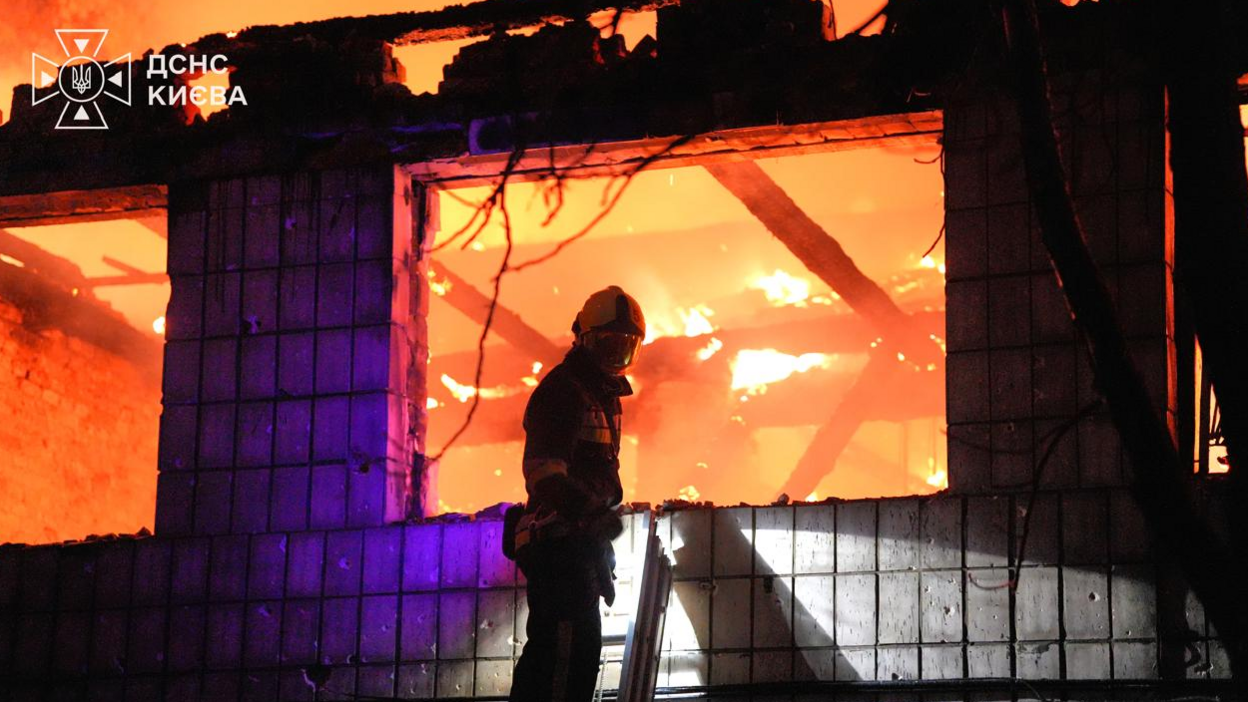
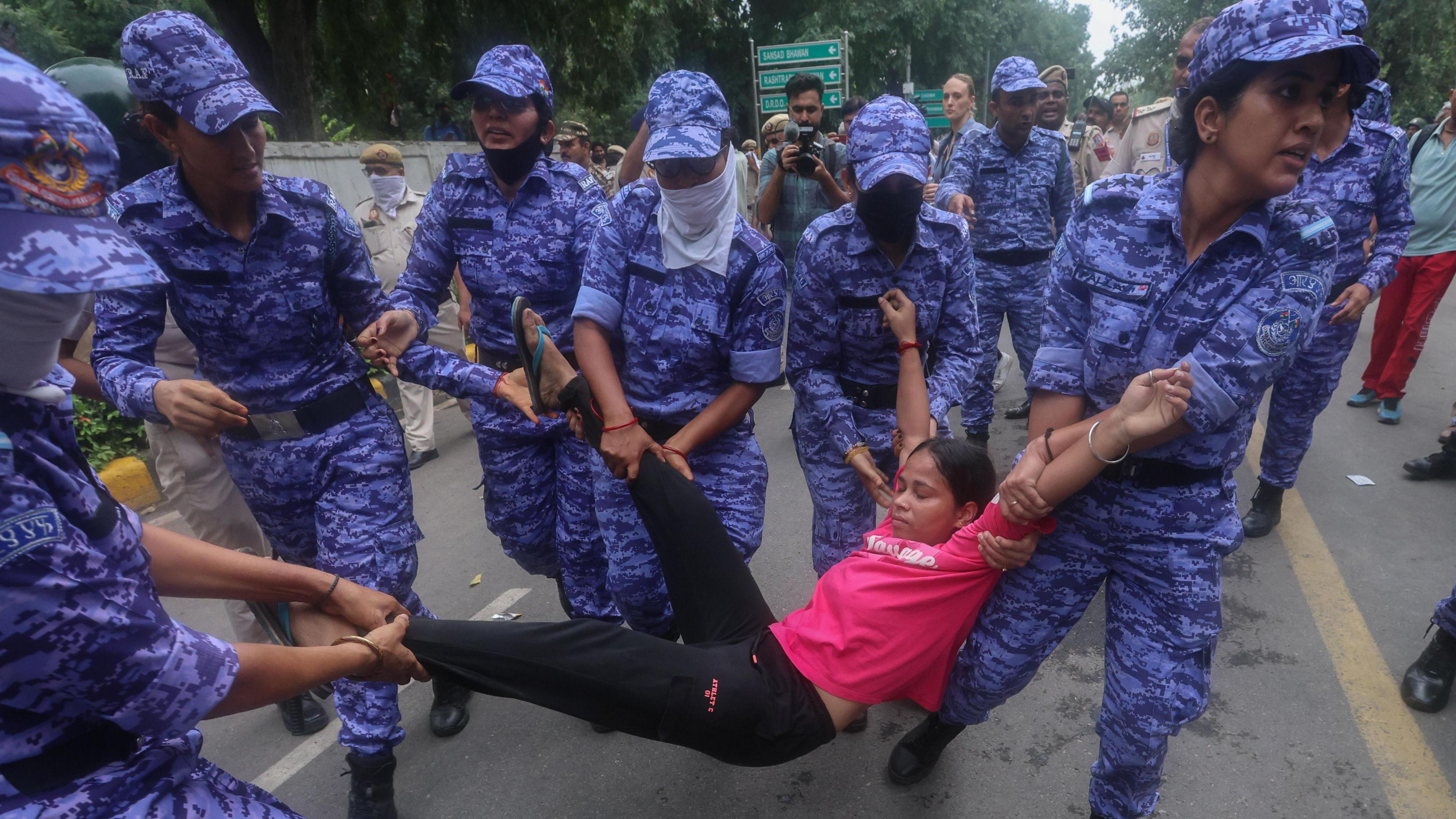
The police resorted to batons and tear gas, injuring at least 60 protesters and 118 officers. The police even dismantled the protest’s makeshift stage and tents. Protesters, by the way, carried bandages and medical supplies, while a small group of doctors attended a wounded teenager with a head wound along the Jantar Mantar perimeter. Media feeds later showed women in tears and beads of broken stones flying across the foreground of the barricades.
CJP’s Response and the Opposition
CJP spokesperson Saurav Das said the meeting with Health Minister JP Nadda offered assurances but “no concrete solutions.” Former president of the ruling BJP, Nadda’s remarks promised a review of the situation and urged the crowd to “abide by the rules.” But the CJP demanded a full accountability from the government and found “No clear solution from the state.” Rahu Gandhi and other opposition leaders posted on X calling the government ““anti-youth” and releasing statements about a need for 24‑hour debate on the security of student activists.
The Bigger Picture
The protest is a testament to the power of satire and youth mobilisation in contemporary India. Unlike normal elections, the CJP did not have official party status, but it drew together supporters from across the country, including prominent activists and Bollywood figures. In the media, the incident has raised questions about the accountability of police and the treatment of sensitive groups, especially women. Public debate is now whether a systematic change is possible, especially regarding the central examinations, and the future mobilisation of the younger generation.