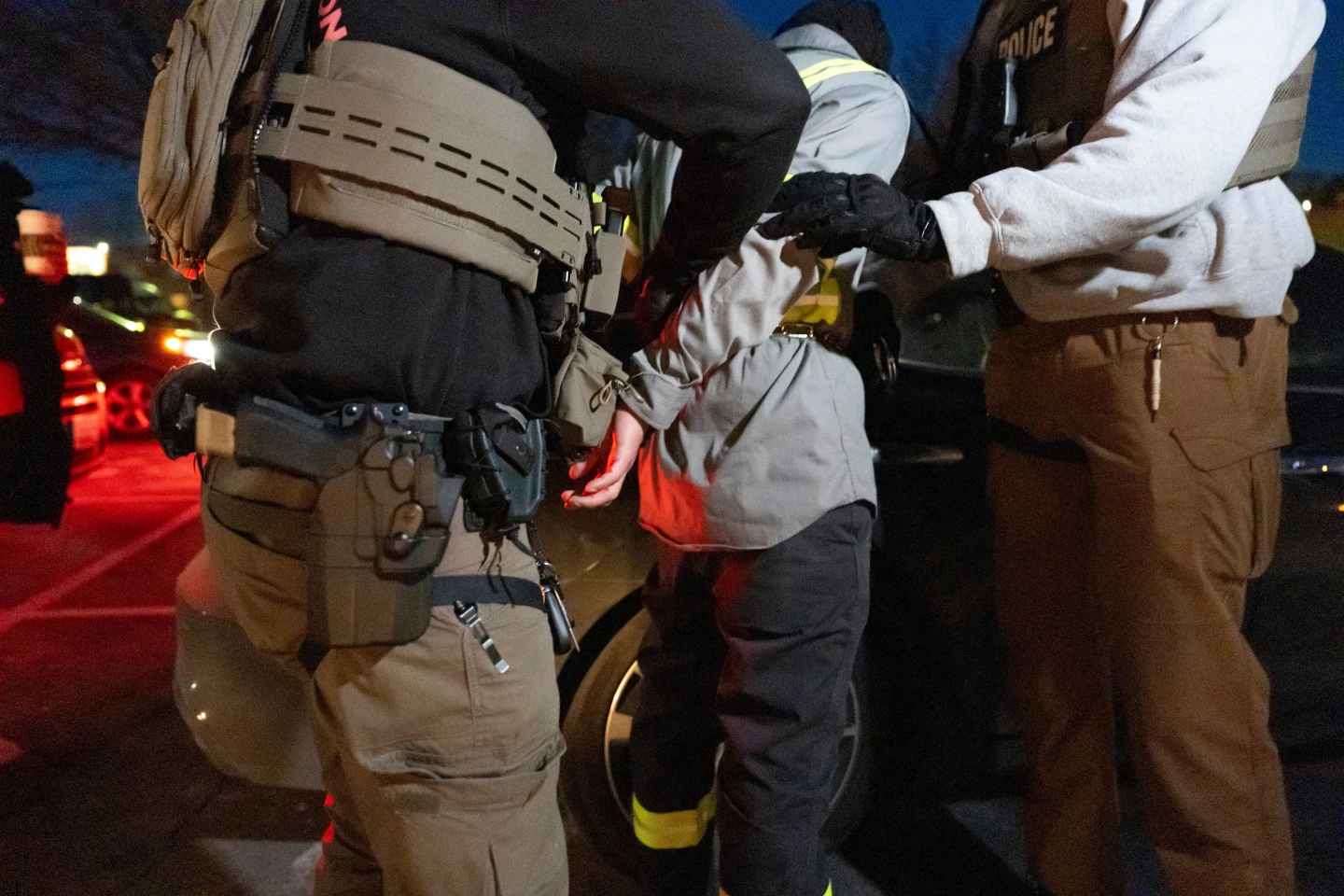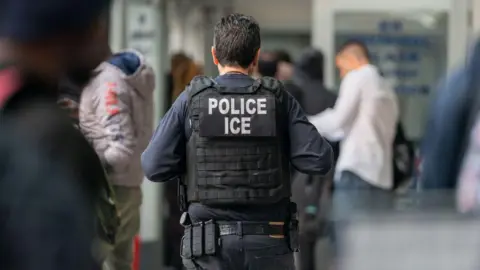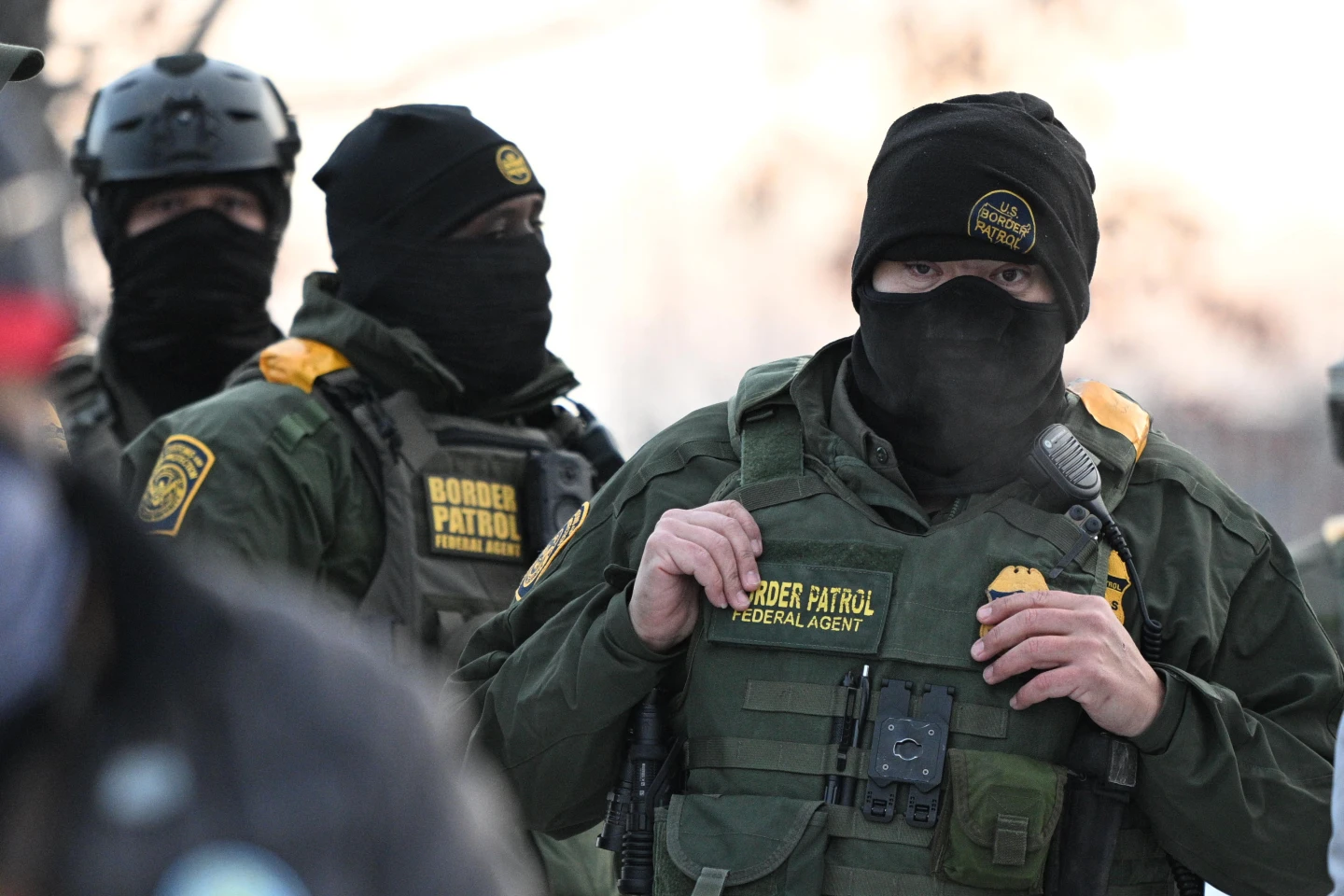
WASHINGTON (AP) — Recent U.S. immigration enforcement operations have prompted significant debate regarding the appropriateness and implications of their names. Initiatives such as Operation Dirtbag in Florida, Catahoula Crunch in Louisiana, and Operation Catch of the Day in Maine have been met with polarized reactions across the political spectrum.
Some lawmakers, including Congressman Jimmy Gomez, have condemned the names as offensive, suggesting they signal a dehumanization of immigrants in the U.S. Gomez emphasized, That is why they have those disgusting names... they don't use that kind of language for operations against terrorists.
Conversely, supporters like Congressman Brandon Gill argue that such names reflect the seriousness of the Trump administration's stance on illegal immigration.
What’s in a name?
The current trend diverges from historical norms for naming military operations, which often employed more benign titling to avoid suspicion. Experts have noted that the contemporary use of catchy names in immigration operations reflects the administration's motivation and purpose, serving double duty as a branding mechanism.
The controversial names have sparked further backlash, particularly when juxtaposed with the operations' implications for immigrant communities. Critics like Congresswoman Chellie Pingree have labeled titles such as 'Operation Catch of the Day' as a 'sick joke,' arguing that they trivialize the real impact on lives and disrupt community cohesion.
'Racist and degrading'
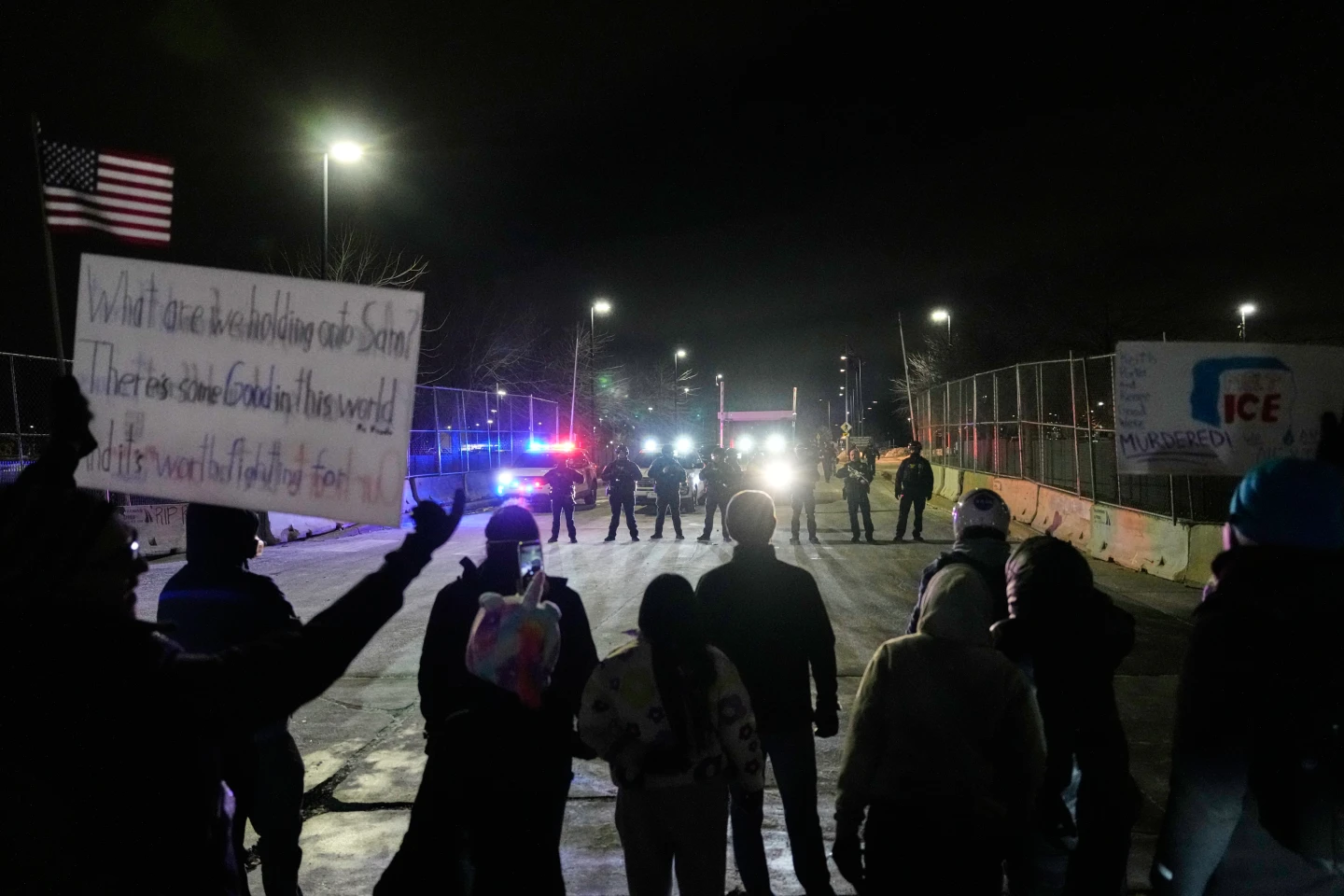
Commentators have called attention to how these names perpetuate harmful narratives about immigrants, with Democratic leadership emphasizing the negative repercussions on state communities and the climate of fear created by such enforcement actions. Some critics have questioned the decision to incorporate pop culture references into operational names, suggesting that doing so shows a lack of respect for those affected.
Despite vocal criticism, proponents of the naming conventions argue that they underscore the administration's commitment to strict immigration policies. However, civil rights advocates continue to call for scrutiny over the administration's enforcement tactics, labeling them as racially charged and indicative of broader systemic issues within immigration policy.
Conclusion
As the debate over the appropriateness of these names unfolds, both sides remain entrenched in their positions, reflecting deeper divisions within U.S. immigration discourse. With calls for investigations into enforcement conduct intensifying, the implications of such operational branding are likely to remain a contentious issue for the foreseeable future.