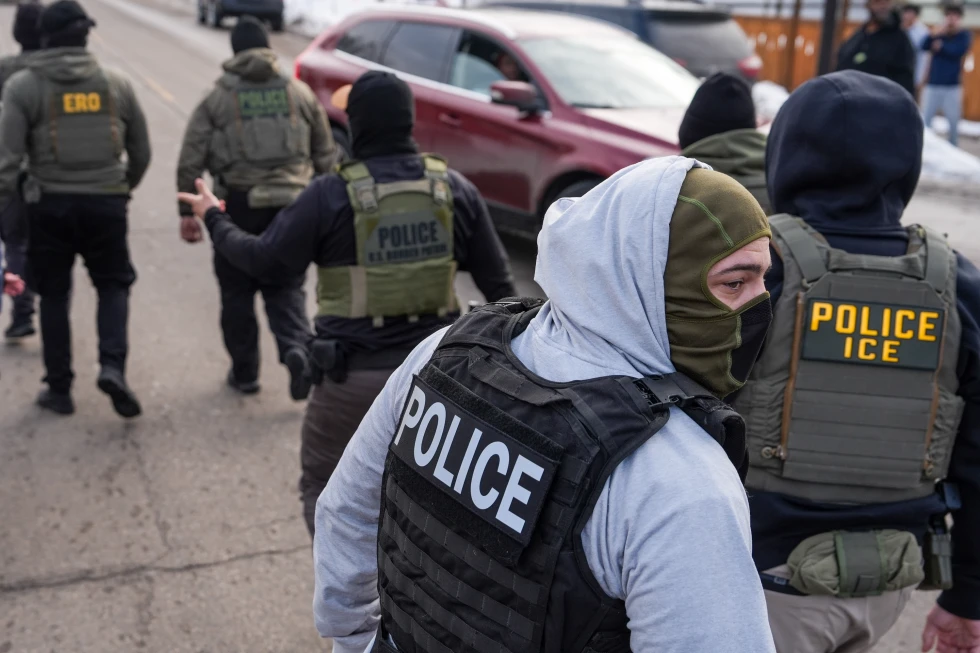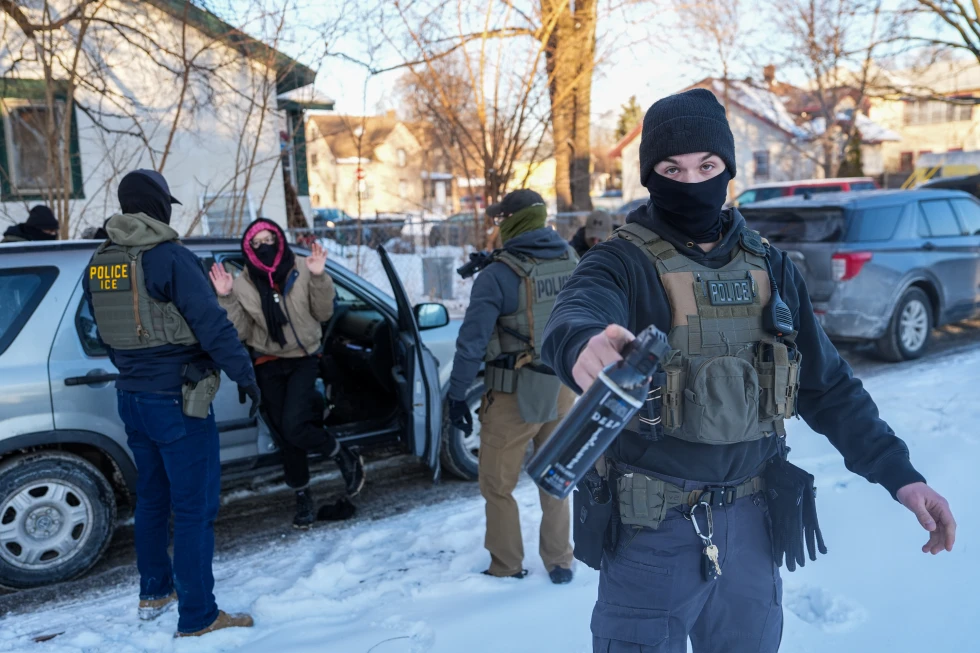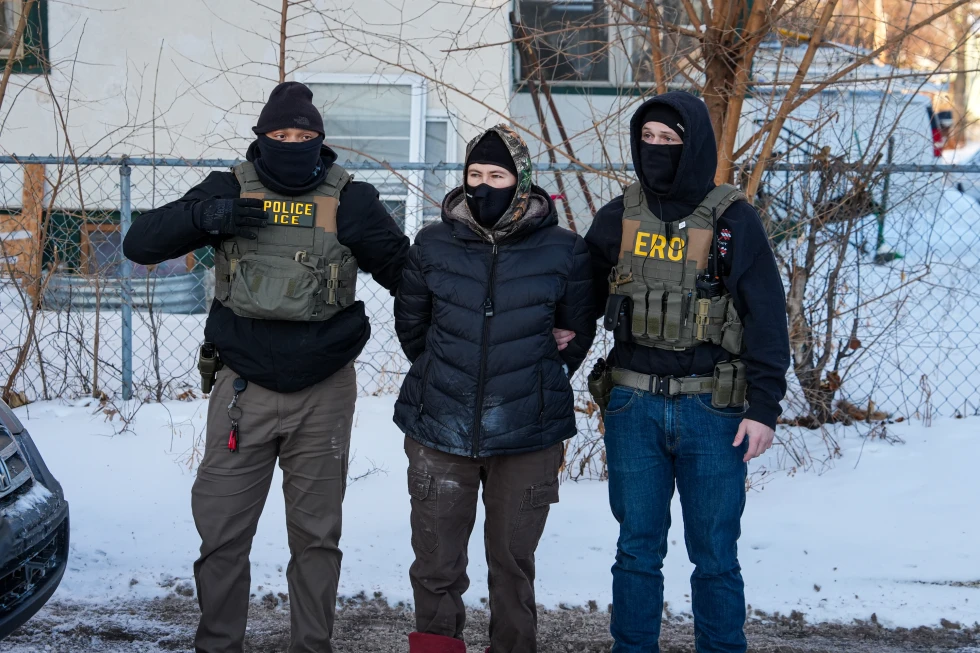
The federal government's recent push to expand immigration detention facilities has met significant resistance from local and state officials across the United States. In the wake of heightened tensions due to fatal immigration enforcement actions, many communities are taking a stand against the establishment of new detention centers.
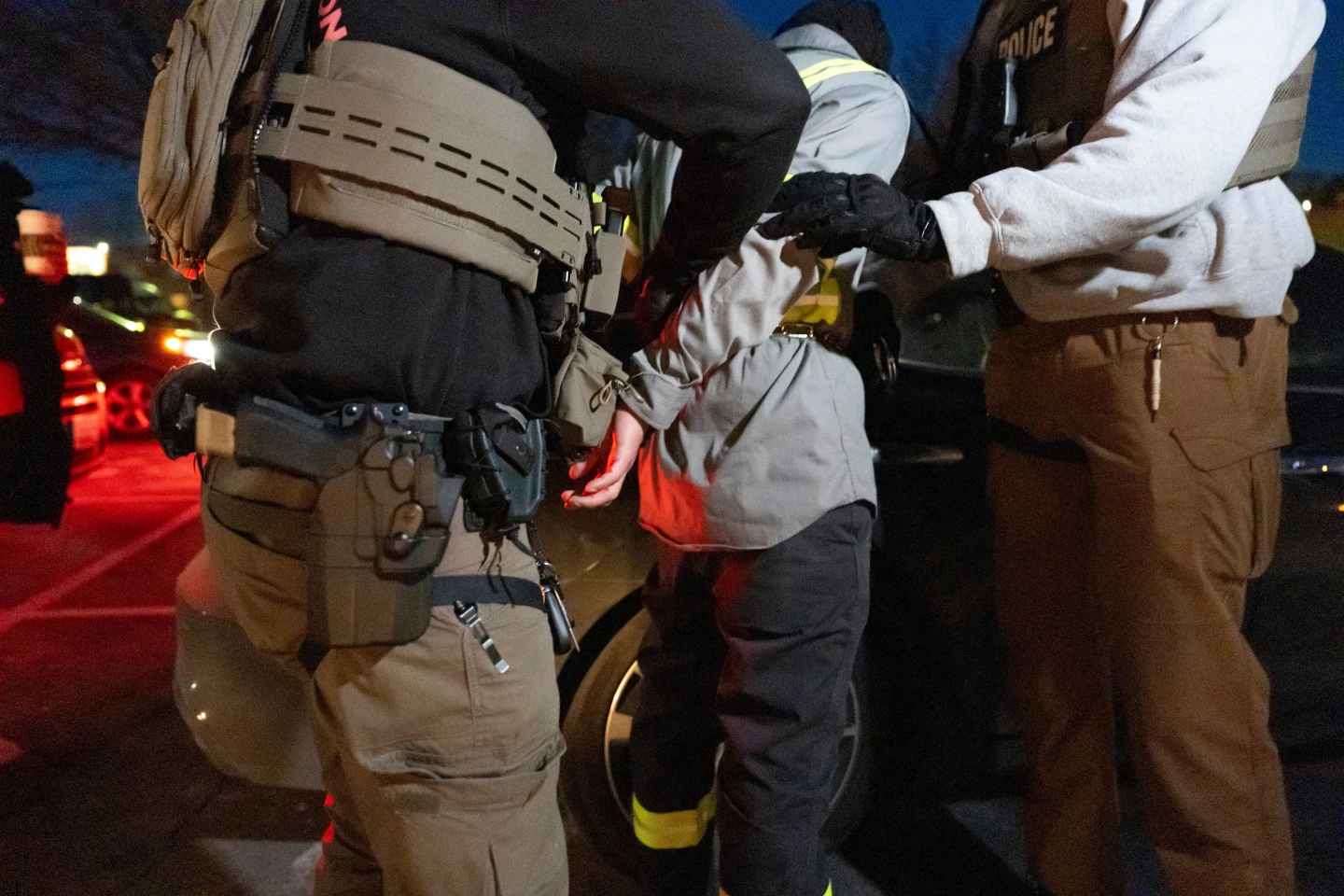
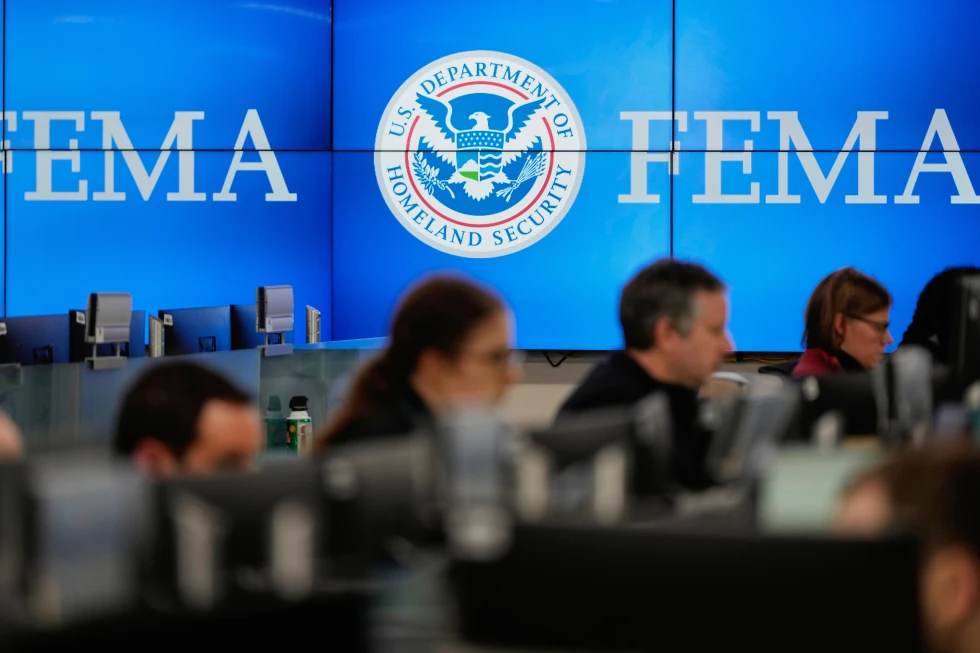
Federal authorities, under the Trump administration, are seeking locations to detain thousands of immigrants in facilities converted from warehouses, privately run locations, and county jails. This demand is driven by a $45 billion expansion plan, financed by tax cuts aiming to significantly increase the number of immigrants held in detention.
Recent violent incidents, including the fatal shootings of Renee Good and Alex Pretti during ICE enforcement operations in Minnesota, have intensified scrutiny and fears regarding immigration practices nationwide. This has prompted strong reactions from local officials and residents.
In Hanover County, Virginia, hundreds gathered for a tense public hearing against a proposed new ICE facility. One resident, Kimberly Matthews, voiced her fears that introducing such a facility would lead to violence like that observed in Minnesota instead of safety in their community.
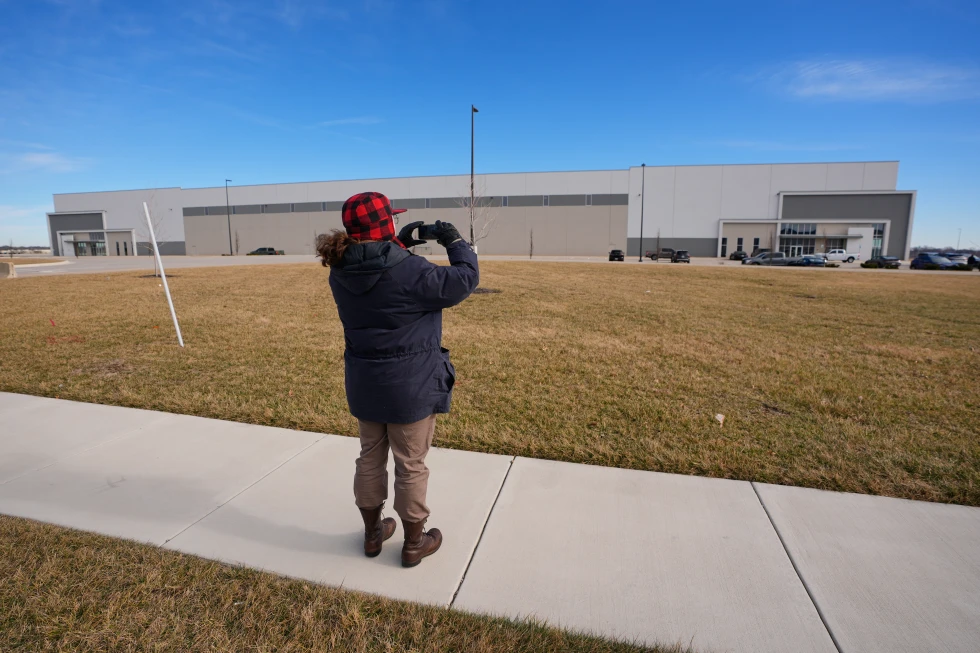
Efforts to block these detention sites are underway in various regions, including Kansas City, Missouri, where officials voted to impose a five-year moratorium on non-city-run detention facilities during a recent ICE site tour. Mayor's offices across cities like Oklahoma City have announced restrictions against building permits for prospective immigration detention facilities.
Meanwhile, several Democratic-led states, including New Mexico and California, are advancing legislation aimed at either blocking or enacting heavy taxes on ICE facilities, which could drive them out of local jurisdictions altogether. The legislation specifically targets agreements that local governments cut with ICE, focusing on holding them accountable for actions seen as harmful to immigrant communities.
Despite these efforts, legal frameworks often limit local governments' abilities to fully obstruct ICE's operations, with federal court rulings indicating that states cannot prohibit private landowners from hosting these facilities. Nevertheless, community advocacy continues as states seek to address what many see as an urgent public safety issue related to the immigration crisis.
As scrutiny on ICE grows, the organization asserts that they are committed to maintaining standard practices in the detention of immigrants while expanding their capacity to hold individuals awaiting deportation or other immigration proceedings.