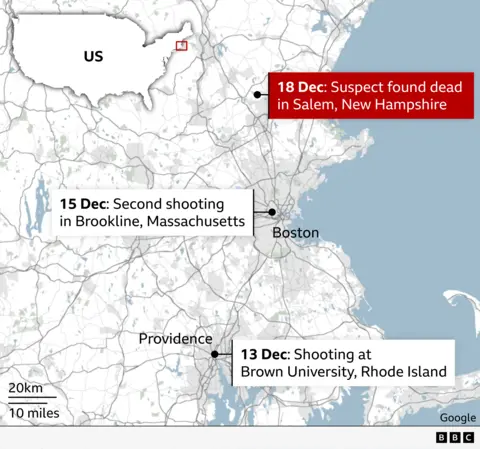
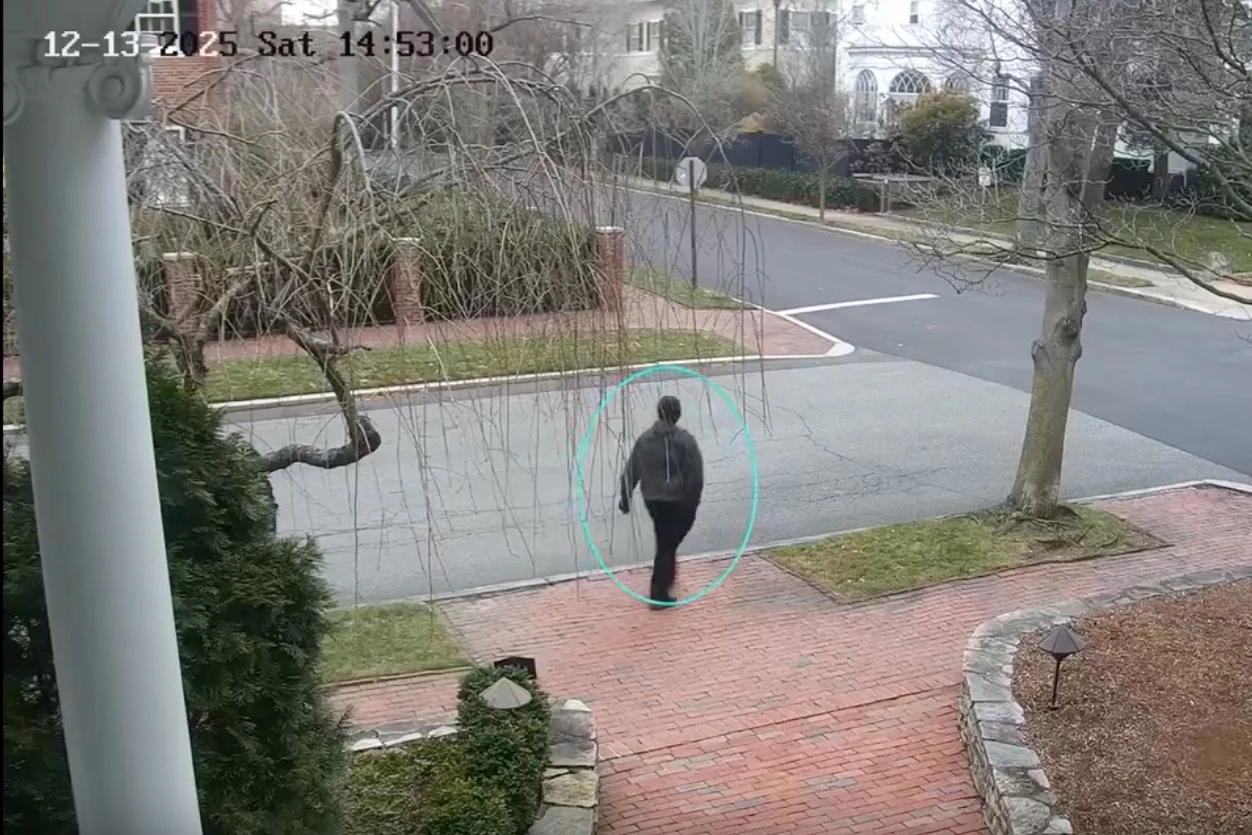
WASHINGTON (AP) — Following the tragic shootings at Massachusetts institutions, the focus has shifted to the suspect, a Portuguese national who entered the U.S. via the diversity immigrant visa program. This program, established by Congress in 1990, aims to provide opportunities for individuals from countries with low immigration rates to the United States.
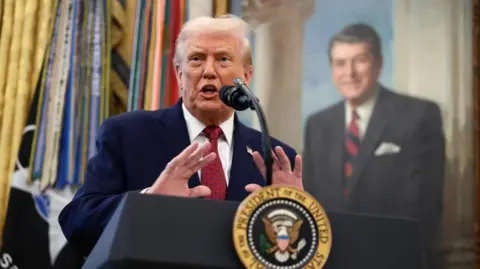
With 50,000 green cards available annually through a lottery system, the diversity visa offers hope to many who lack familial or employer sponsorship for immigration. However, the recent violent incidents have prompted Homeland Security Secretary Kristi Noem to announce a temporary pause on the program, claiming that the alleged shooter should not have had access to U.S. soil.
The Trump administration has been vocal about wanting to tighten immigration regulations, responding to acts of violence with a critical eye on legal immigration pathways. Experts argue that immigrants undergo thorough vetting processes prior to entering the U.S., contrasting the administration’s claims about unsafe immigration policies.
Every year, the diversity visa allocates slots primarily to individuals from Africa (35,000), followed by Asia (15,000), and Europe (8,500). Despite being selected in the lottery, applicants must still pass extensive scrutiny before being granted entry, making the chance of winning the lottery alone not a definitive ticket into the country.
Joseph Edlow, head of U.S. Citizenship and Immigration Services, recently indicated a desire to eliminate the diversity visa program altogether, which he argues does not serve U.S. economic interests. The program’s future hangs in the balance as legislators consider the implications of the recent shooting and broader immigration impacts.
Critics of the administration's decision to pause the diversity visa have labeled it as collective punishment, pointing out that it disproportionately affects innocent individuals who rely on these legal pathways. ‘This is yet another instance where the government leverages a tragic event to enforce stricter immigration controls,’ stated Myal Greene, a leader from World Relief. The complexities surrounding immigration and national security continue to provoke significant debate in the United States, with this recent event adding another layer to the discussion.