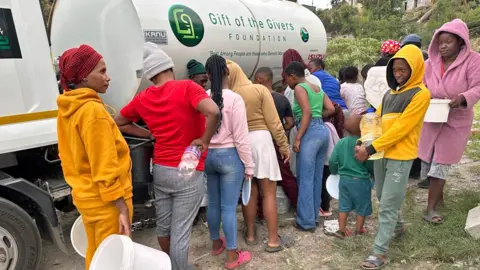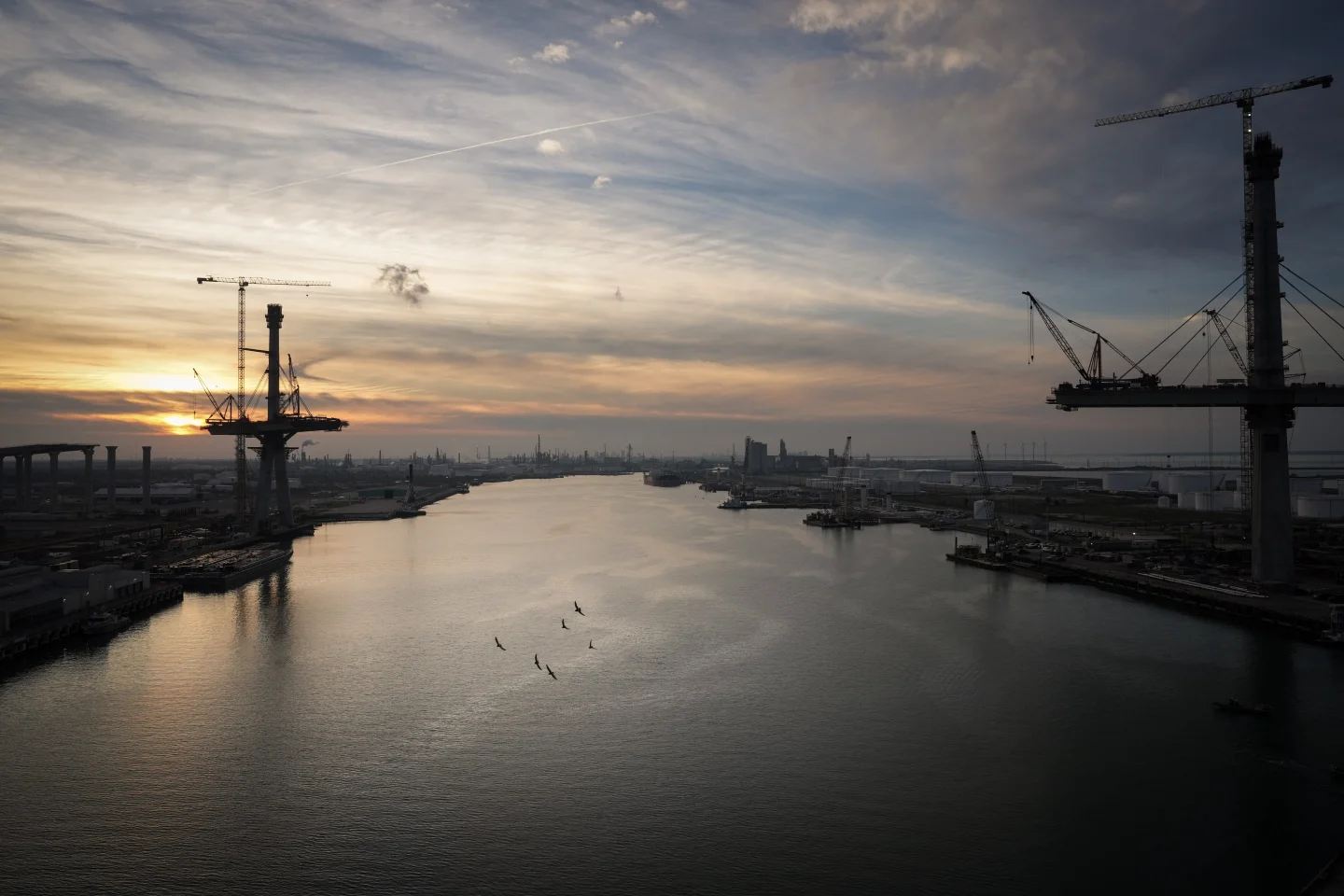
Corpus Christi, a major energy port in Texas, is grappling with a significant water crisis exacerbated by a prolonged drought that has persisted for nearly seven years. Water reserves are reaching alarming lows, leading to fears of urgent water shortages that could impact residents and local industries alike.
City Manager Peter Zanoni noted that the city failed to anticipate the severity of this drought and did not secure alternative water sources quickly enough, despite ramping up water sales to large industrial consumers.
With a population of about 317,000, Corpus Christi's economy is closely intertwined with the oil and gas industry, which relies on a steady water supply for operations in refining and manufacturing processes.
Despite predictions from officials that water shortages could be avoided, any lack of significant rainfall in the coming months may force the city to impose strict water usage cutbacks that could disproportionately affect residents while industry could face fewer constraints due to existing surcharges for excessive water use.
Current city policies have entered Stage 3 of conservation efforts, signaling mandatory reductions on outdoor water use, and further constraints may be implemented if conditions worsen. ’We can’t allow our community to suffer while we prioritize industry,’ said Isabela Azaiza, a local activist.
While Corpus Christi explores new groundwater acquisition, options such as desalination are mired in cost and environmental debates. The future of the city’s water security remains uncertain, leading to worries of consequences if proactive measures are not enacted.
As the countdown continues toward a potential water emergency, city officials remain hopeful yet cautious, vowing to work diligently to avert drastic measures that would impact both residents and industries heavily reliant on water supply.