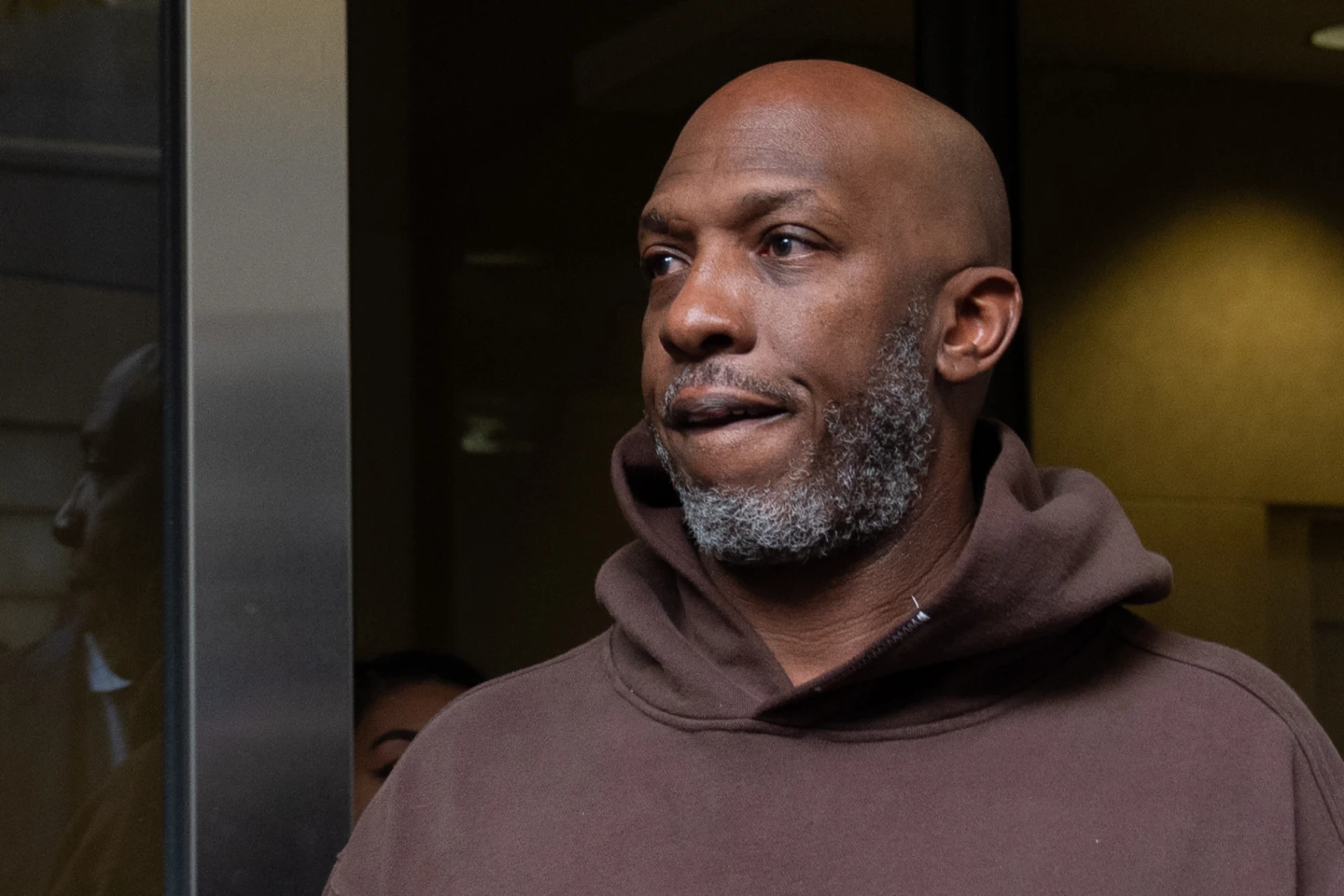
ANCHORAGE, Alaska (AP) — The Alaska Court of Appeals is being asked to dismiss felony voter misconduct charges against Tupe Smith, an Alaska resident born in American Samoa. This case highlights the complexities surrounding the citizenship status of individuals from U.S. territories.
On Thursday, Smith's attorneys argued that her indictment should be reversed, claiming she made an innocent mistake regarding her voting eligibility. Supporters state that she believed she was following correct procedures based on information from local election officials. However, state prosecutors maintain that Smith knowingly misrepresented her citizenship status.
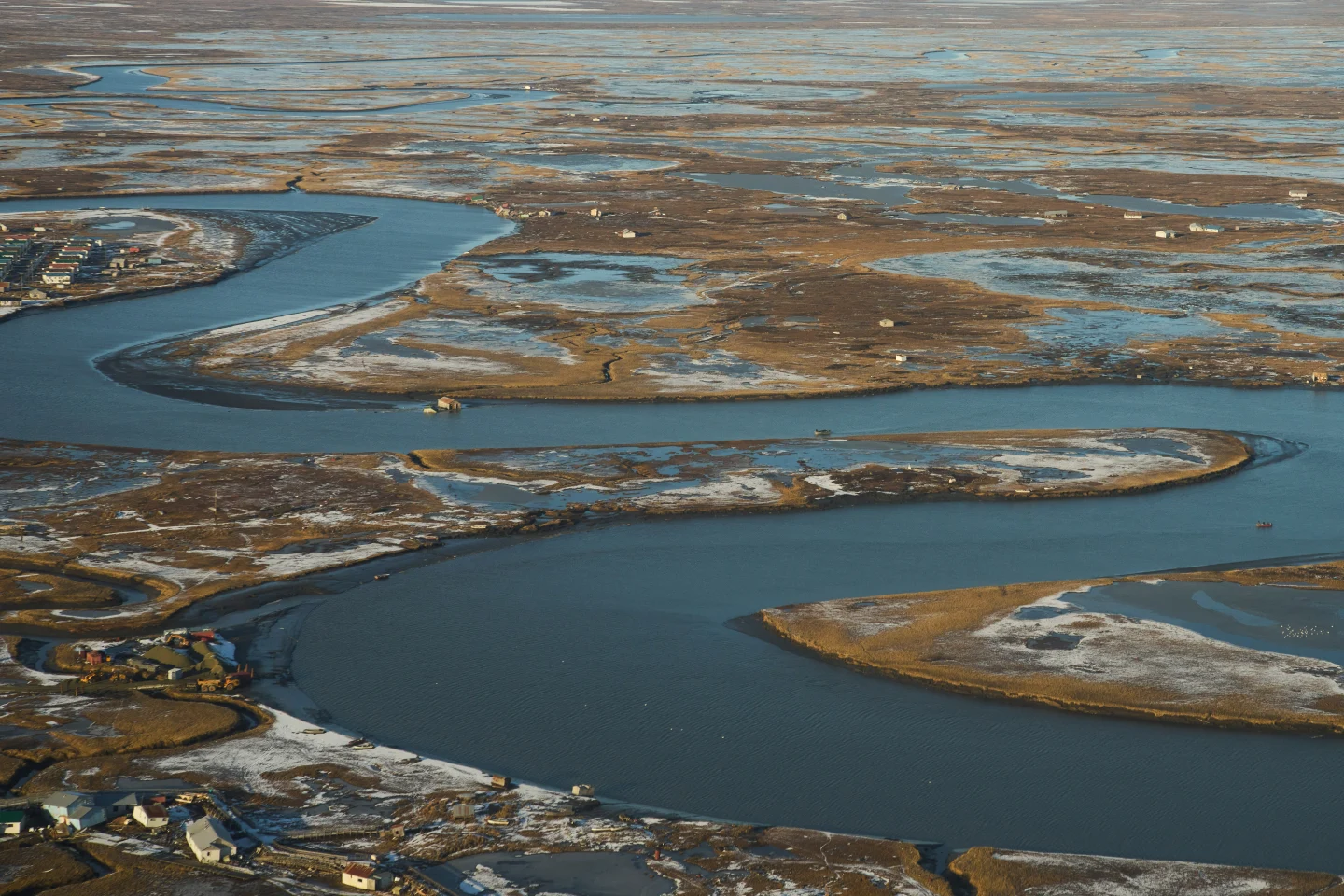
Smith is not alone; similar charges have been brought against ten other individuals from American Samoa residing in the small community of Whittier, including her husband and mother-in-law. American Samoa is unique among U.S. territories in that its residents are classified as U.S. nationals rather than U.S. citizens, leading to ambiguity regarding voting rights.
While residents of American Samoa can serve in the military and hold U.S. passports, they face restrictions when it comes to participating in most U.S. elections.
Smith—a recent winner of a regional school board election in 2023—asserted that she identified herself based on erroneous guidance and indicated that she believed U.S. nationals could vote in local elections. When registering, she positioned herself as a U.S. national on forms, but was directed by officials to mark citizenship, as that option was not available, according to court filings.
In a 2024 court filing, it was noted that during her arrest, Smith acknowledged her inability to vote in presidential elections but claimed to be unaware of other voting restrictions.
Smith’s legal representatives argue that her actions were based on a genuine belief in her eligibility and the misleading information provided by city officials. Conversely, prosecutors argue that the charges are grounded in whether Smith intentionally and falsely stated she was a U.S. citizen, a claim they argue is evidenced by specific language on voter registration forms.
One attorney, Neil Weare, co-founder of the Right to Democracy Project, expressed concerns that maintaining the indictment would set a troubling precedent for how voting rights are adjudicated in Alaska, potentially creating a low threshold for charges of felony voter fraud in the state.