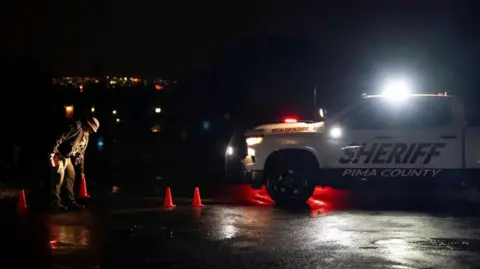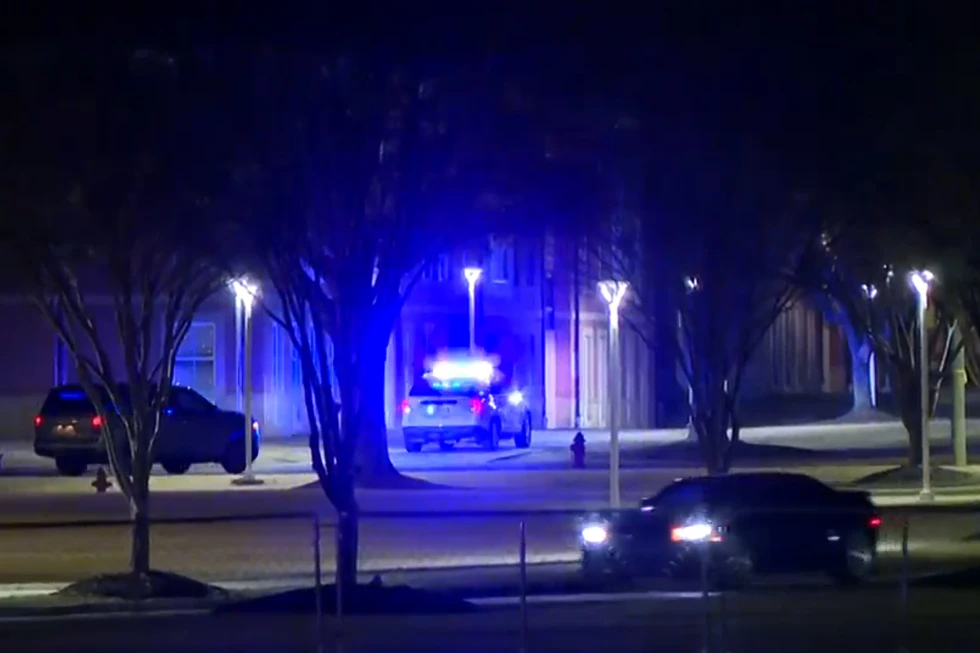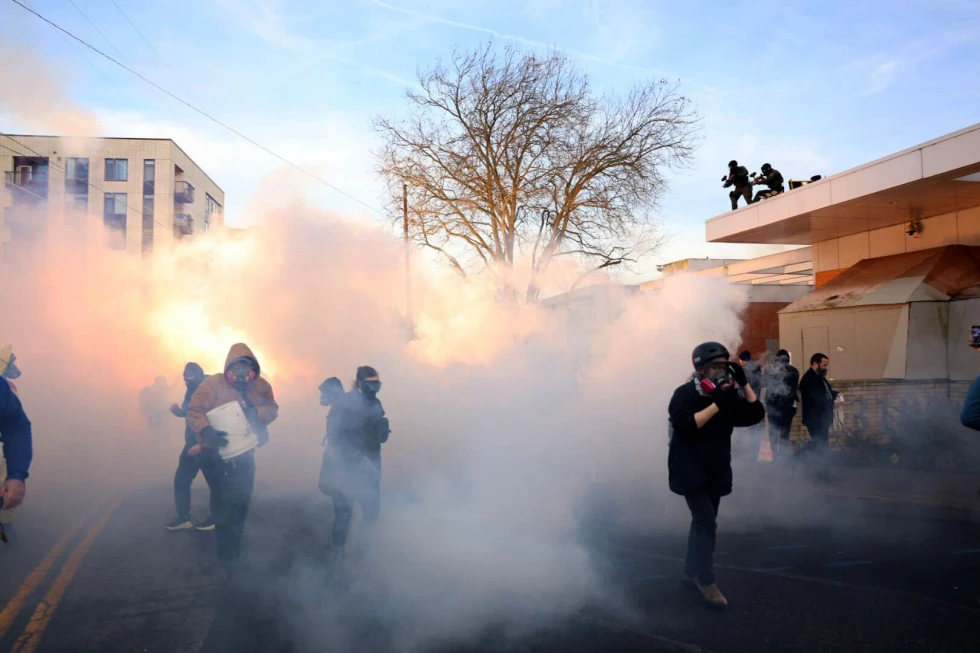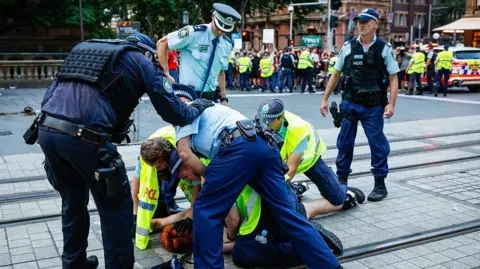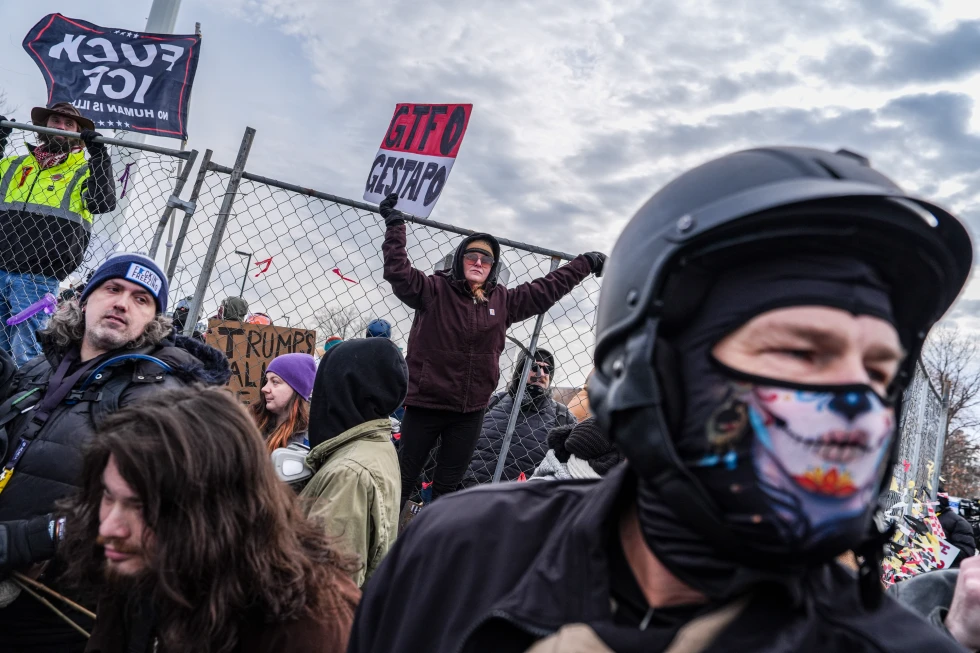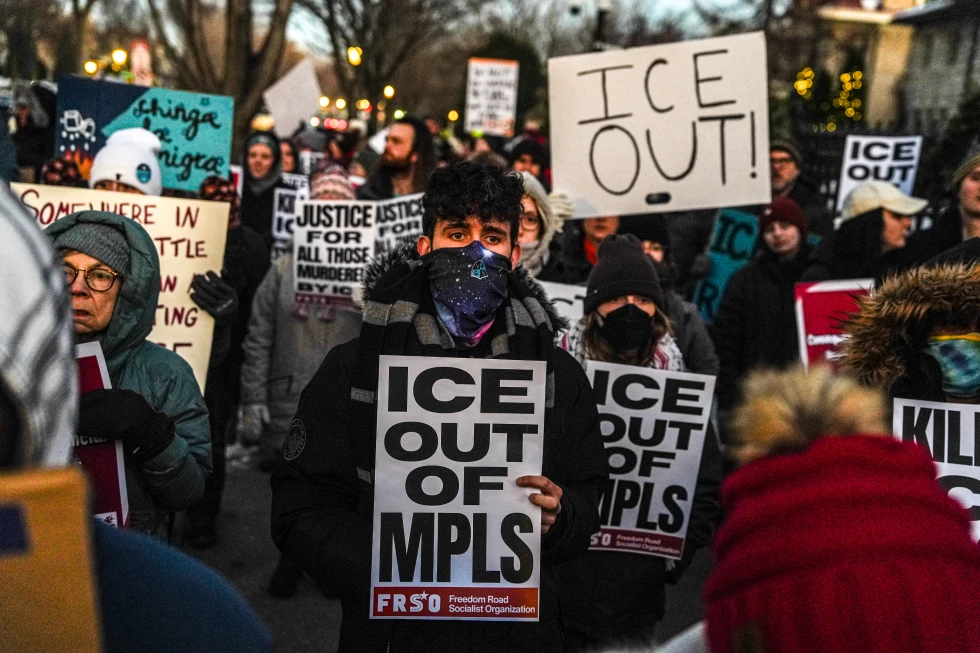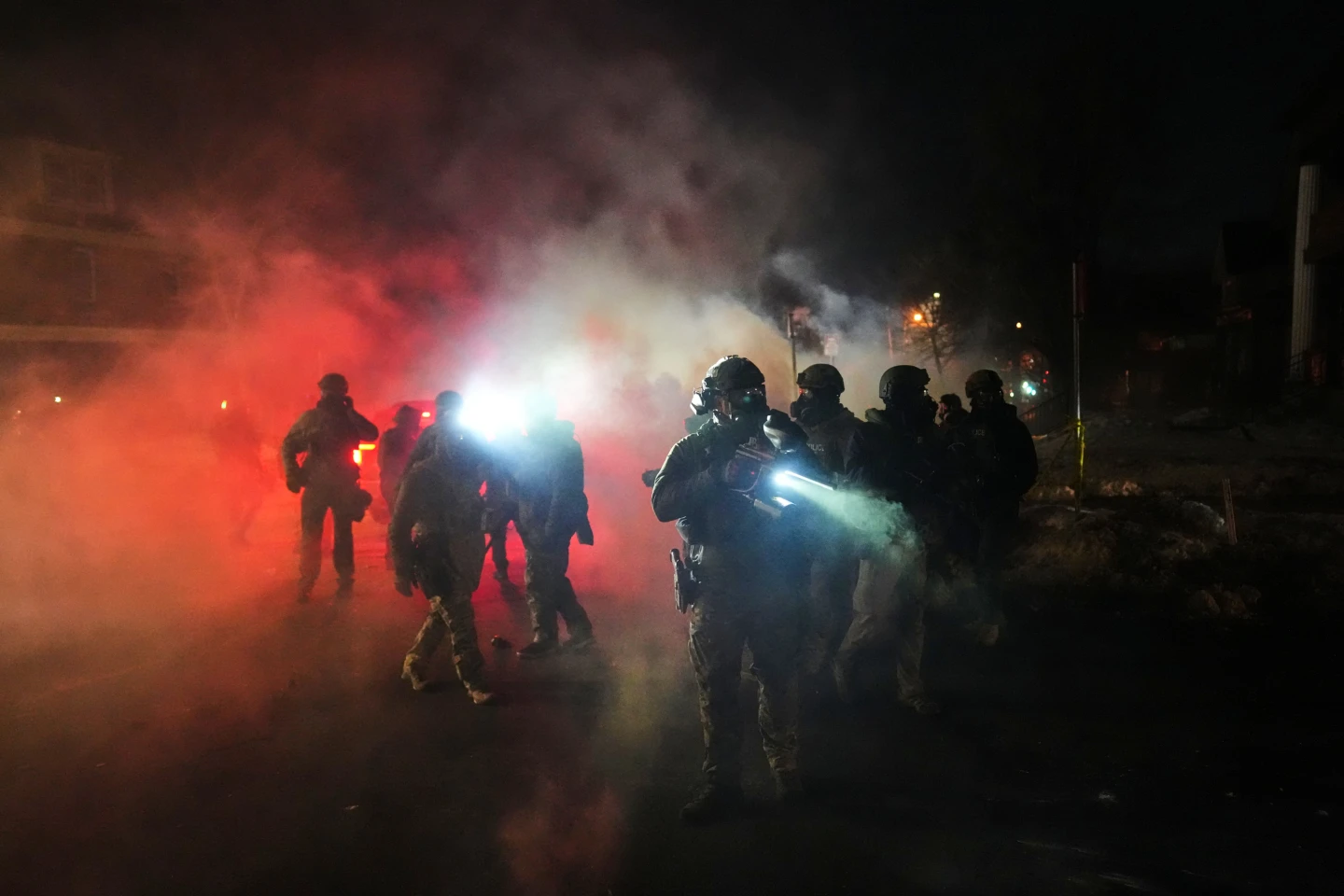
MINNEAPOLIS (AP) — A federal officer shot a man in the leg in Minneapolis after he was attacked with a shovel and broom handle, escalating the unrest in a city on edge following last week's immigration operation that left a woman dead. Smoke filled the streets on Wednesday night as clashes erupted, with federal officers using tear gas in response to protesters hurling rocks and fireworks.
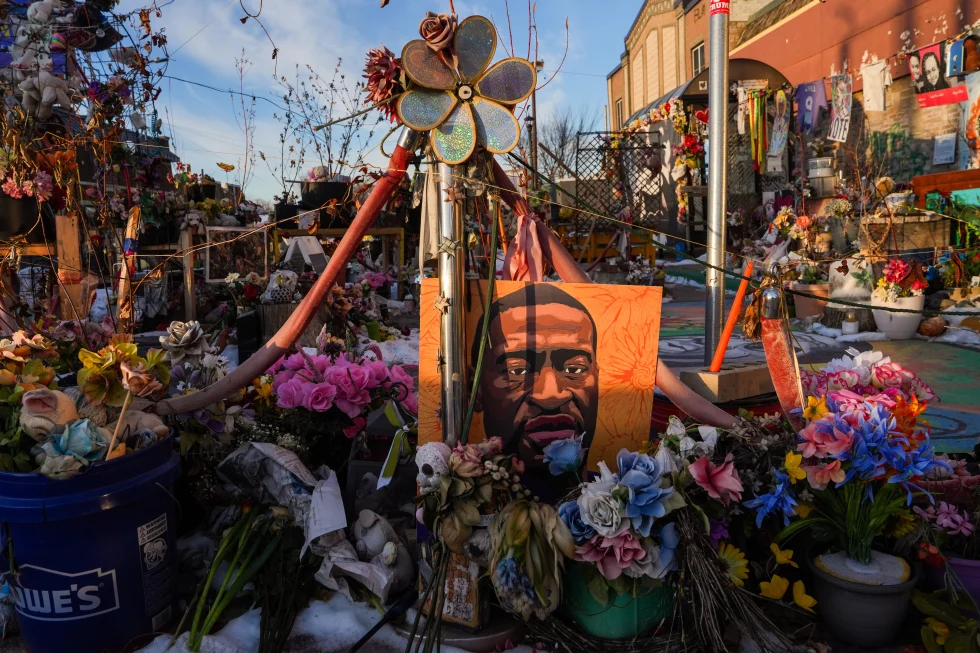
Police Chief Brian O’Hara declared the gathering an unlawful assembly, indicating the volatile situation is being closely monitored. The protests stem from growing frustrations over a federal immigration crackdown that has resulted in significant law enforcement presence in Minneapolis. The death of Renee Good on January 7, shot by an immigration agent during an enforcement operation, amplified local outrage.
Mayor Jacob Frey termed the situation unsustainable, voicing concerns over the overwhelming federal response. This has become an impossible situation... to protect our neighbors and maintain order is increasingly difficult, he noted.
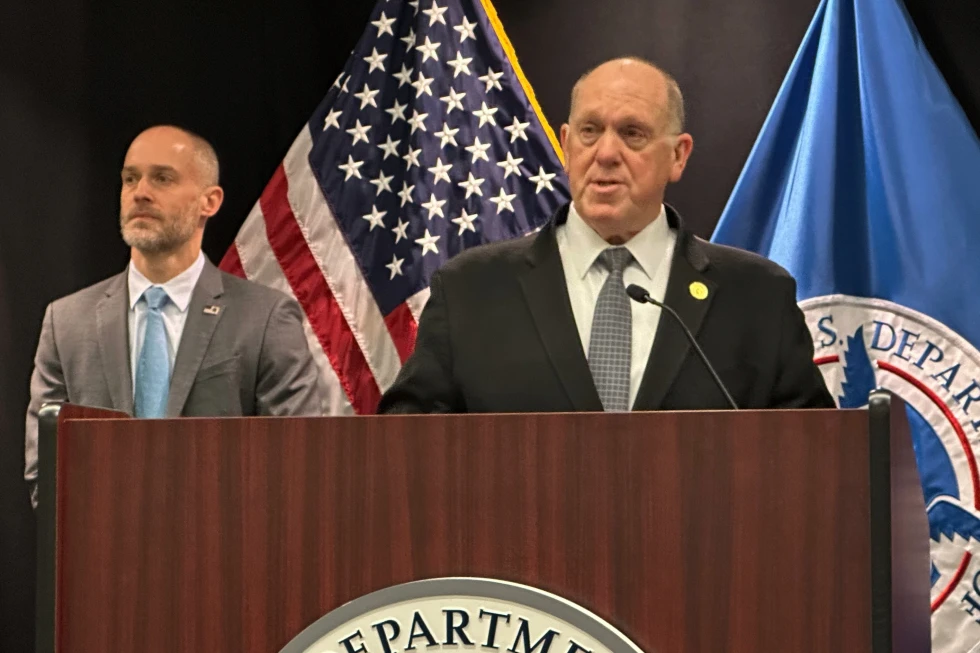
The Department of Homeland Security reports over 2,000 arrests as part of its ongoing efforts, suggesting no intention to withdraw from the area amid heightened scrutiny. Witness accounts reveal that the recent incident stemmed from a pursuit of an individual believed to be in the U.S. illegally, which escalated into violence as multiple individuals confronted the federal officer.
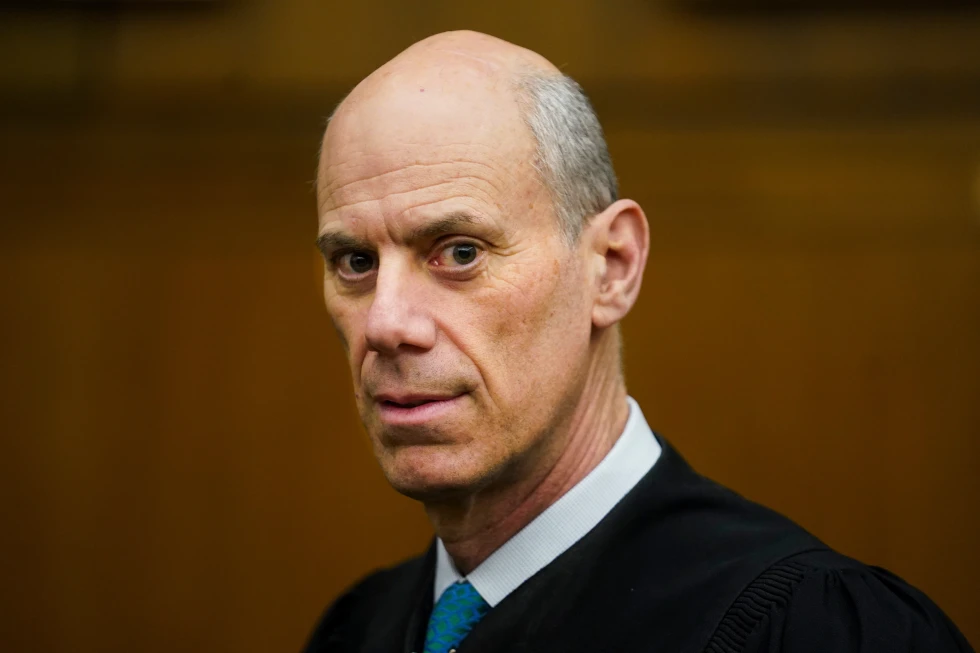
As tensions flare in the streets, legal battles are also brewing in court. A motion lodged by Minnesota's Attorney General seeks to pause the aggressive enforcement tactics, asserting that they violate constitutional rights. The court has ordered responses from federal authorities, with ongoing discussions regarding potential military legal support in these operations.
Nationwide, the immigration enforcement strategy continues to face backlash, particularly concerning the fractious dynamics unfolding in Minneapolis. With state leaders describing the fight for community safety as a campaign of cruelty by the federal government, questions loom about the sustainability of such law enforcement approaches moving forward.