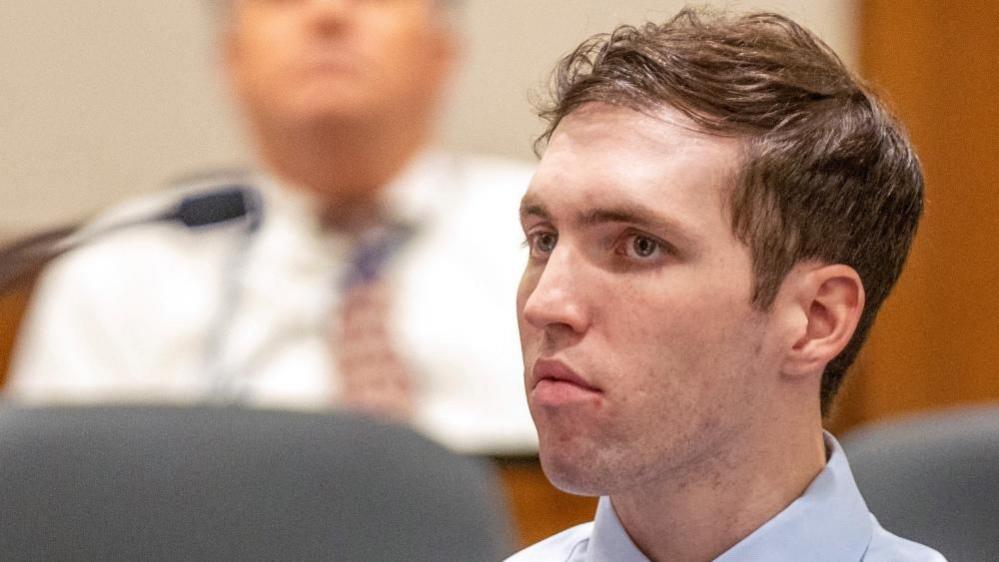
A Utah county judge this week heard prosecutors present what they call "devastating" evidence linking 23‑year‑old Tyler Robinson to the fatal shooting of conservative activist Charlie Kirk, while Robinson’s defense team has attempted to attack the case’s foundations.
Robinson, a former electrician and recent college dropout, allegedly used a rifle gifted by his grandfather to shoot Kirk on September 10 at Utah Valley University. DNA recovered from the rifle matched Robinson’s, and a towel wrapped around the weapon contained his genetic markers. The gun’s metal was modified, adding further forensic intrigue.
Surveillance footage showed Robinson visiting campus early on the day of the incident, buying food, and interacting with staff members of the Turning Point United States organization. Later video captured him ascending a rooftop, carrying an unknown object that prosecutors identify as the murder weapon, and then dropping onto the building’s roof—tracking his route from an earlier brawl to the final shooting point.
A recorded interview with Robinson’s roommate, Lance Twiggs, revealed that Robinson confessed to him that he had hidden the grandfather’s rifle in campus bushes, then returned later that day to retrieve it. In text messages, Robinson denied the shooting but admitted to having killed Kirk when asked directly. The texts contain the words, “I had enough of his hatred,” signalling remorse and desperation.
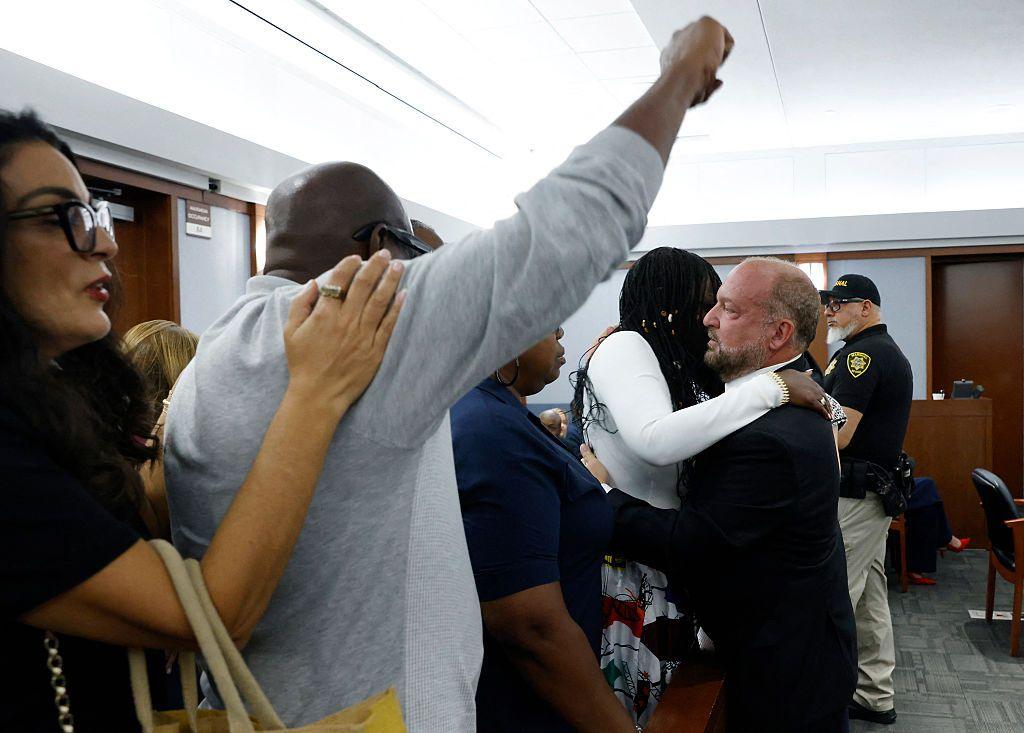
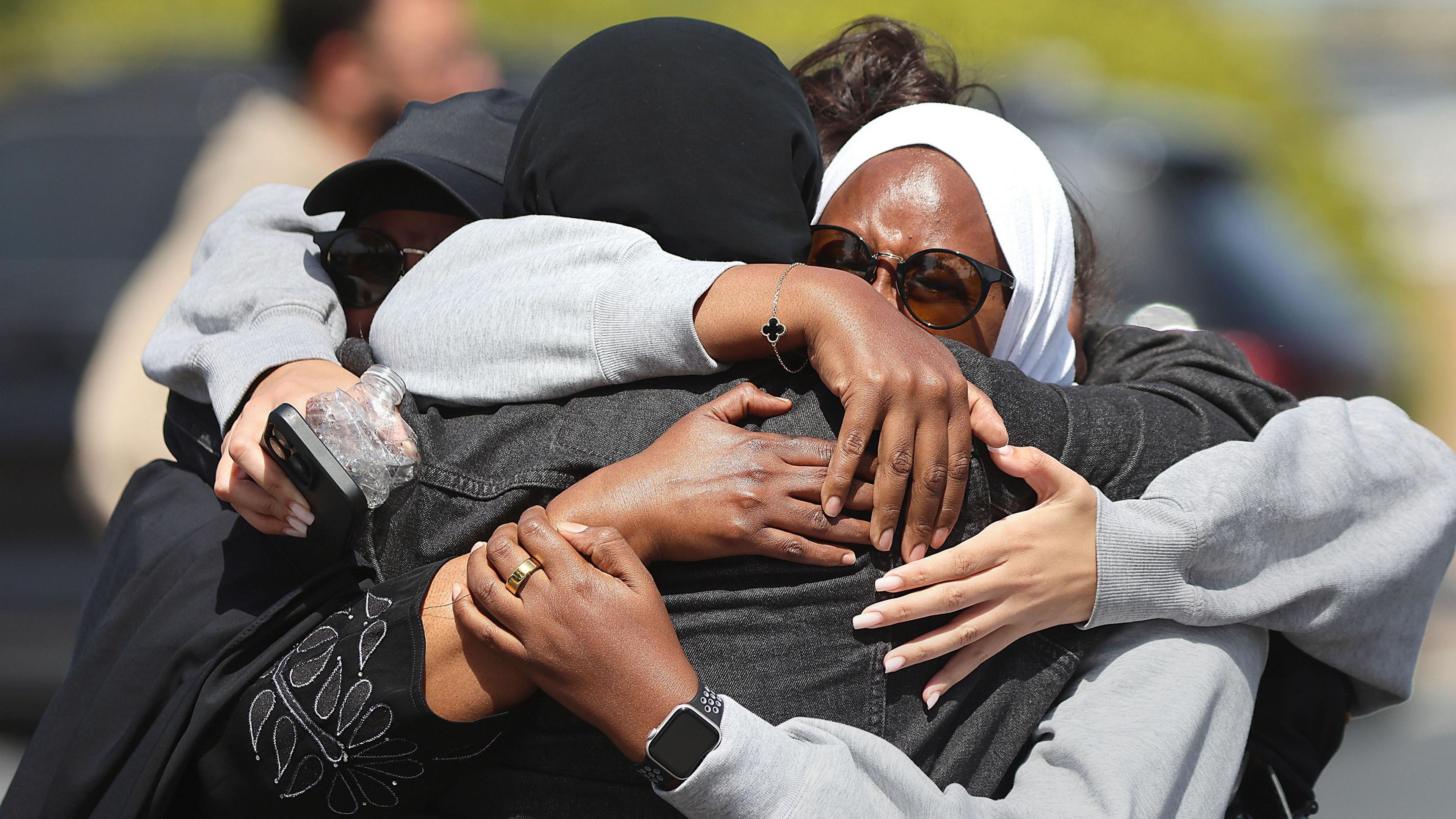
The defense challenges the reliability of the evidence, arguing that the forensic experts’ reports lack proper scrutiny and that the texts and video may have been tampered with. They also raise concerns about potential jury bias caused by media coverage and the presence of political figures in the courtroom, citing the families’ emotional testimonies as evidence of an atmosphere that might influence jurors.
After hearing the evidence, Judge Tony Graf will determine whether to move the case to a full trial, setting a date for September 1. The outcome will decide the charges Robinson faces—including an aggravating murder offense that could lead to the death penalty—and will shape the legal narrative surrounding the politicized killing of a public figure.