In brief
Japanese authorities extended the U.S. military’s nightly curfew in Okinawa to December 7, limiting junior personnel to 12:00‑5:00 a.m. restrictions after the murder‑robbery case of Devin Ballard and a drunk‑driving arrest. The move follows a call for tighter discipline and training by the Japanese defense and foreign ministries, underscoring public concerns over safety and accountability. The policy aims to prevent further incidents while the U.S. and Japan work on educational reforms for U.S. soldiers.
The U.S. military stationed in Okinawa, Japan, has extended its nighttime curfew by one month, keeping the restriction in effect until December 7, official statements announced on November 6.
Under the new blanket, only U.S. soldiers holding a rank below sergeant are required to stay within the curfew hours of midnight to 5 a.m., while sergeants and higher ranks remain exempt, according to the U.S. forces’ interim report.
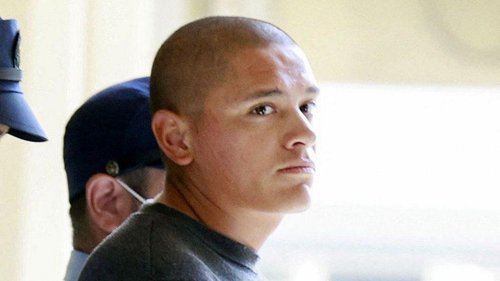
The decision follows a spate of criminal incidents involving U.S. service members in Okinawa during October. The first case was the arrest of Devin Ballard, an American serviceman, who was indicted for robbing and murdering a local woman in Naha on October 3. Ballard’s filing prompted an immediate nationwide review of U.S. military conduct on the island, and the current curfew was first imposed on October 9 by the U.S. Embassy in Tokyo and its Okinawa command.
A second incident occurred on October 31 when a U.S. Marine was arrested in Okinawa city on suspicion of drunk driving during the curfew period. The driver was detained by local police for a brief investigation, an episode that further inflamed public anxieties over the Japanese public’s safety.
Japanese officials have taken a hard line in response to the recent incidents. Defense Minister Shinjiro Koizumi said he had urged the U.S. side to enforce both “military discipline” and “strict observation” of the curfew, warning that additional violations could erode public trust in both the U.S. presence and the local authorities who oversee them.
Foreign Minister Toshimitsu Motegi on Friday explained that the Japanese and U.S. governments had reached an agreement to strengthen “education and training” for U.S. service members to reduce the likelihood of future incidents. He noted that the front‑line U.S. forces would undergo intensified civics training, focusing on legal obligations, cultural sensitivity, and the social responsibilities that accompany the shared defense partnership.
The curfew’s expanded timeline, which will remain in place until December 7, reflects a growing public and political pressure on the U.S. military to act. Okinawan residents—especially those living near airbases and support facilities that house the U.S. Fleet—have requested increased law‑enforcement oversight and clearer communication from both the U.S. Department of Defense and Japan’s Self‑Defense Forces about how the curfew will be enforced. Several local elected leaders have expressed concerns that the current curfew may not effectively deter reckless behavior if it is limited to only lower‑ranking personnel.
From a civic perspective, the curfew touches public accountability, institutional trust, and the transparency of the U.S. military’s operational footprint on Okinawan soil. The move underscores the need for disciplined conduct that aligns with both the host country’s legal system and the U.S. Department of Defense’s rules of engagement and conduct regulations. Those outside the host nation also see implications for diplomatic relations, as the U.S. maintains a logistics hub critical for regional stability.
Legal analysts point out that the curfew expands the scope of the U.S. Coast Guard Reserve’s jurisdiction, as civilian law enforcement in other regions has established comparable nighttime restrictions after safety concerns. The interim curfew effect, however, will be limited to personnel below sergeant rank, thereby creating a tiered enforcement approach that could prompt questions about uniformity of accountability across all U.S. military levels on the island.
Public reaction has been mixed. Some Okinawan community leaders welcomed the tighter restrictions as a sign of commitment by the U.S. to address local concerns. Others worry that the curfew may limit the strategic flexibility of U.S. forces, potentially putting other security commitments in jeopardy.
Expectations for the near future include wider educational roll‑outs, public forums between U.S. officers and Okinawan residents, and an increased partnership between the U.S. Pentagon’s Office of Military Community Partnerships and Japanese local governments. This cooperation will aim to reconcile the dual goals of sustaining the U.S. defense strategy while reinforcing the safety and well‑being of Okinawa’s citizenry.
Should a repeat of the recent crimes occur, the Japanese government has signaled that it will employ additional measures such as more frequent patrols, stricter enforcement of curfew rules and, potentially, direct collaboration with U.S. civilians about safety protocols. This signals a continued emphasis on open dialogue, institutional transparency, and the need for stronger compliance checks on U.S. forces to protect civilians.
For U.S. service members, the shift translates to an expectation of higher standards of conduct, increased opportunity for self‑regulation and a more accountable procedural environment. After an underground review of previous incidents, the U.S. military’s leadership has pledged that disciplinary adjustments will be made to ensure that the curfew’s objectives—public safety, morale and the long‑term presence of the United States in the region—are met in a concerted way.