Crete Wildfires Force Mass Evacuation
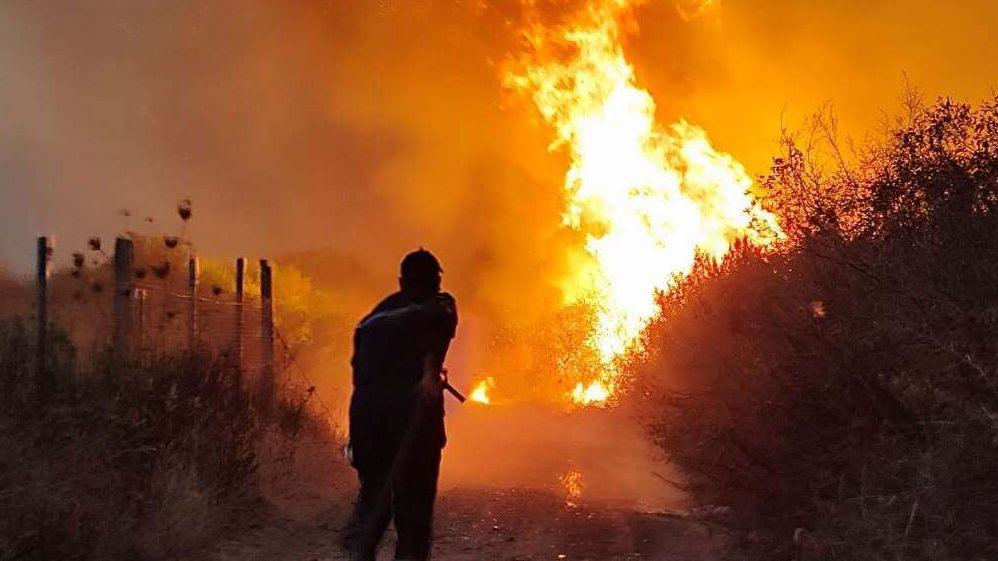
The island’s biggest tourist season was disrupted on 29 July when a forest fire tore through the Rethymno region. Wind speeds measured 125 km/h pushed flames across villages and the coastline, forcing the evacuation of around 8,000 people overnight. The fire’s ferocity immediately drew international attention after two firefighters were killed on Wednesday while battling the blaze near Krya Vrysi; a third firefighter died on the Greek mainland at Gytheio.
The blaze, part of Europe’s worst summer fire season, has scorched local homes, agricultural land and threatened holiday resorts. Greek officials say containment remains the main priority as the fire burns out of control, with constant updates from regional fire services.
The tragedy echoes failures across the continent. In Spain and Portugal large fires have destroyed thousands of hectares, while France’s Gironde region has seen over 240 homes lost. All face a hot, dry season with heightened risk of further blazes.
Experts link today’s extreme conditions to climate change, which has increased vegetation growth in mild winters that later dries in heatwaves, creating abundant fuel for fires. Fire‑fighter safety protocols are being reviewed, and emergency services urge residents in vulnerable Mediterranean zones to remain vigilant.
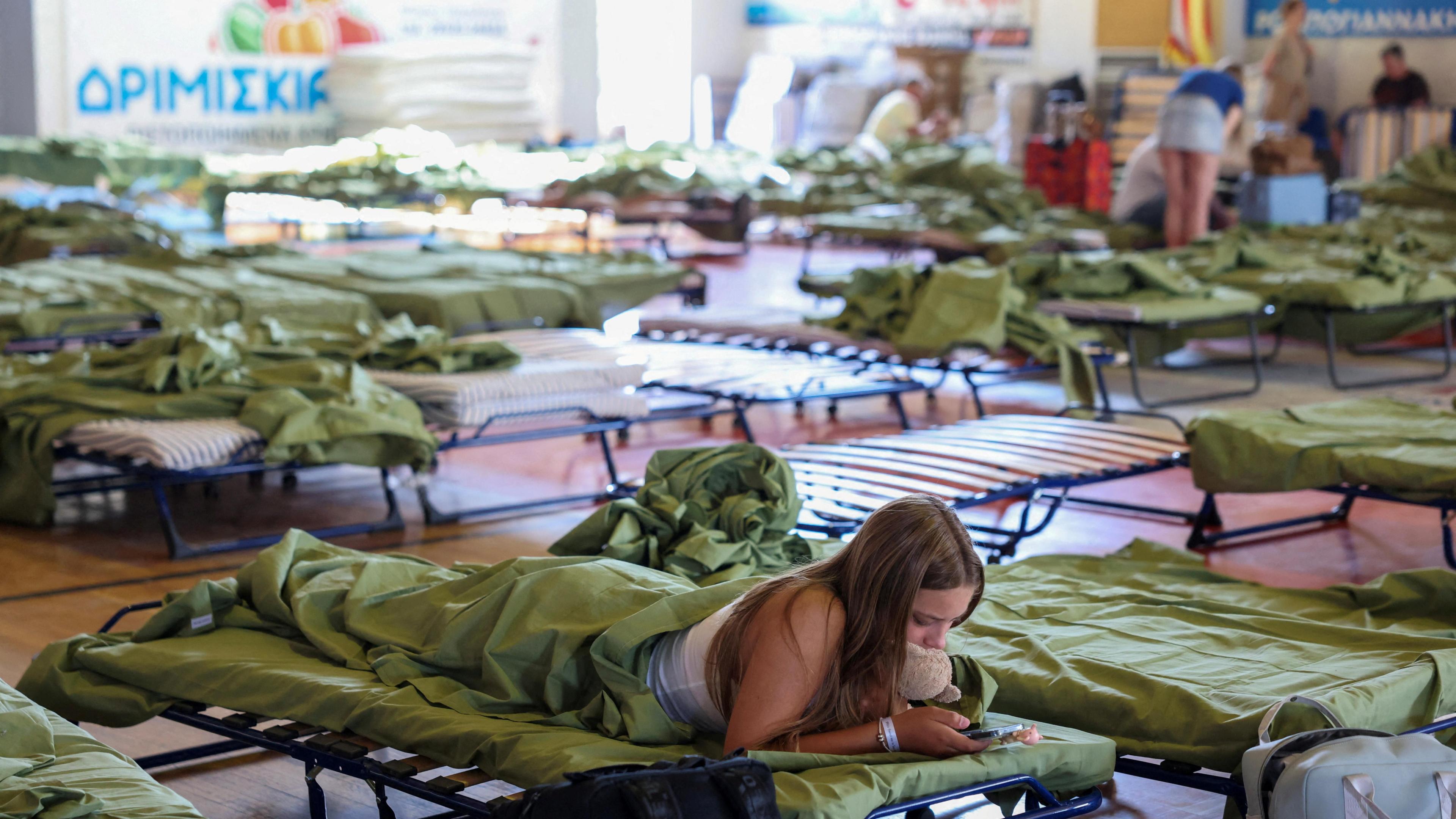
The authorities have set up temporary shelters for displaced residents and tourists. While many have returned to their homes, the ongoing fire demands continued vigilance and coordinated firefighting efforts throughout the region.