Kinshasa’s interior minister Jacquemain Shabani announced on Saturday that all mass gatherings in the 18‑million‑strong capital and its neighbouring provinces have been suspended to stop Ebola from spreading into the city, where no cases have yet been confirmed.
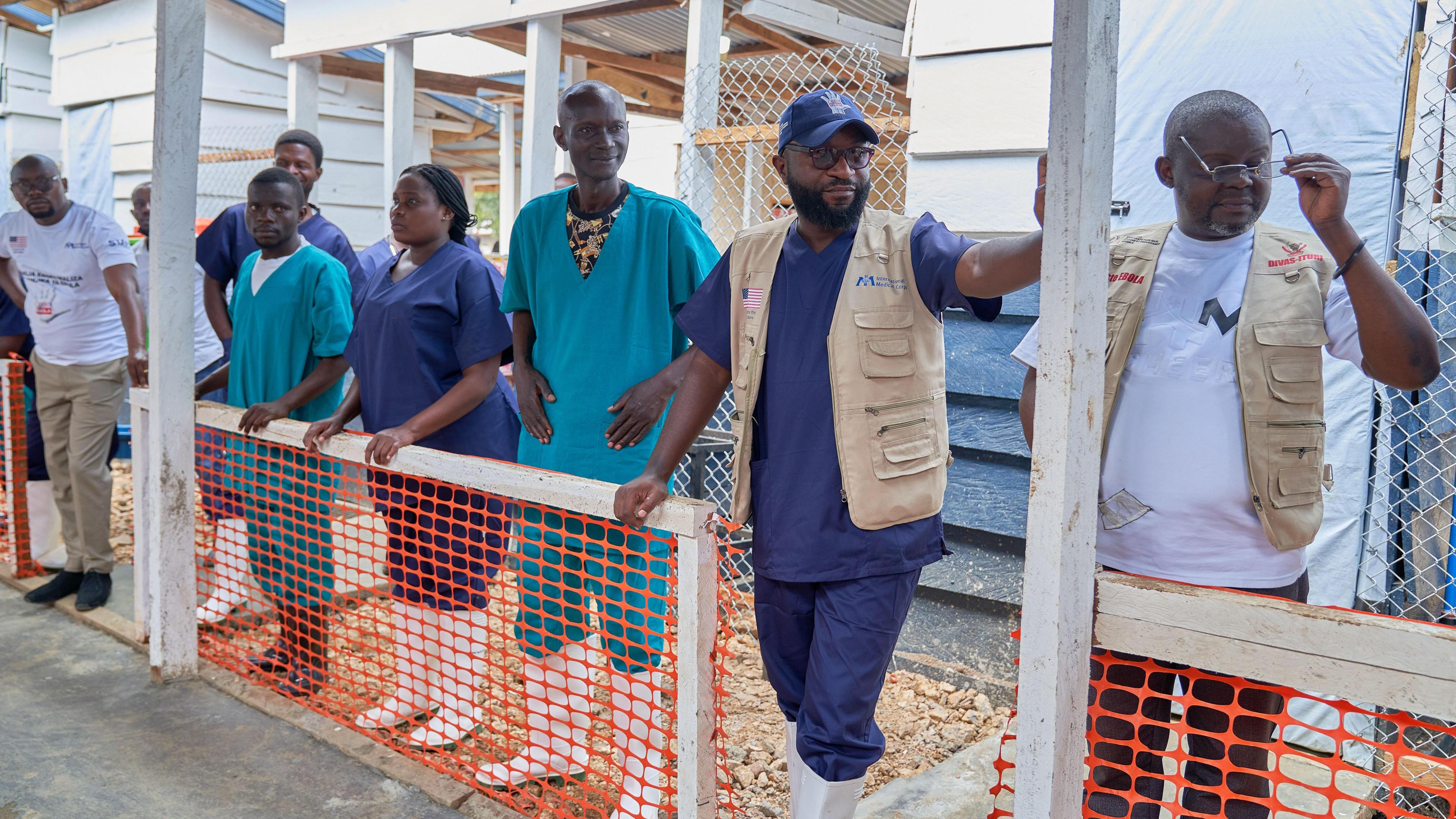
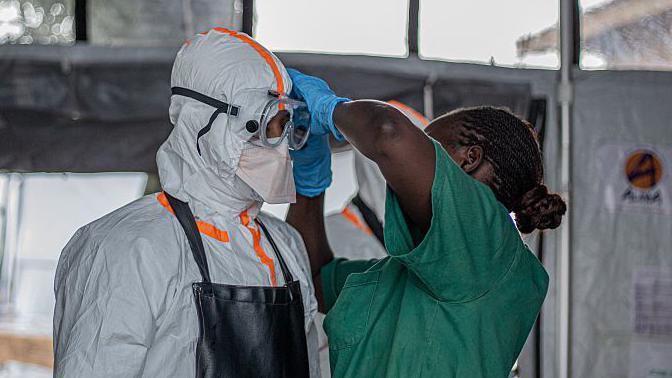
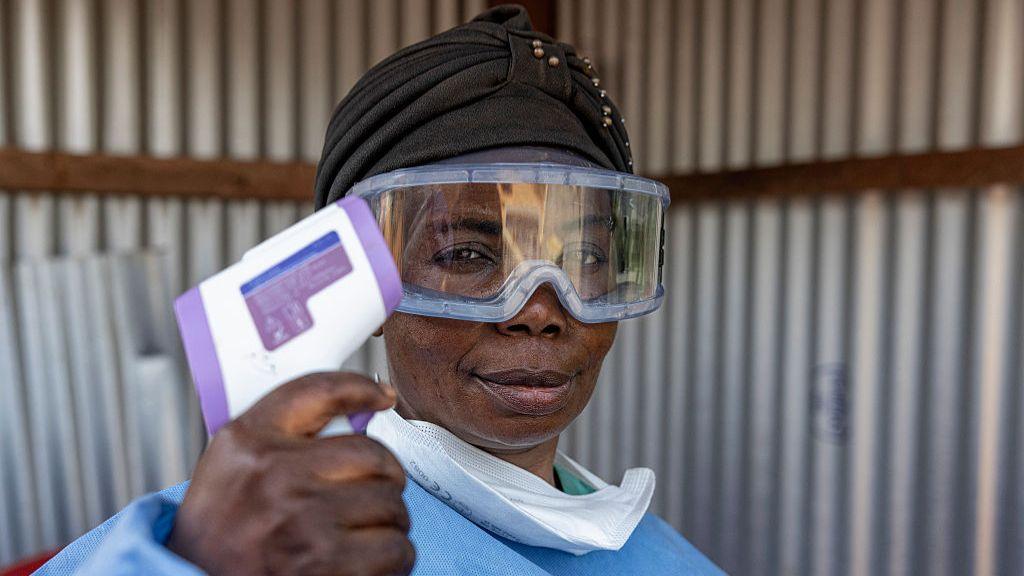
The outbreak, first confirmed in Ituri, North Kivu and South Kivu—some 1,800 km (1,100 mi) from Kinshasa—has now infected 1,274 people and claimed 360 lives. Authorities fear that the virus could reach the capital if left unchecked.
The ban also covers Tshopo, Haut‑Uele and Bas‑Uele, provinces that share borders with the affected regions. Though the government has not yet detailed enforcement measures, it has introduced a 21‑day quarantine for travellers moving from Ebola‑hot zones to other parts of the country.
Opposition groups such as Lamuka and Envol have criticised the directive, arguing that it is politically motivated. Prince Epenge, spokesperson for Lamuka, said the order was “political, as no cases are confirmed in Kinshasa” and called it illegitimate. Roland Ramazani of Envol urged citizens to ignore the ban and attend the protest march on 8 July, describing the move as a “political manoeuvre” rather than a health measure.
The protest, organized by the C64 coalition, aims to oppose a proposed law that critics say would allow President Felix Tshisekedi to extend his term beyond the two‑term limit. There are concerns that the marching of thousands could create a new vector for the disease, but some experts see it as an opportunity to push for transparency and better public health practices.
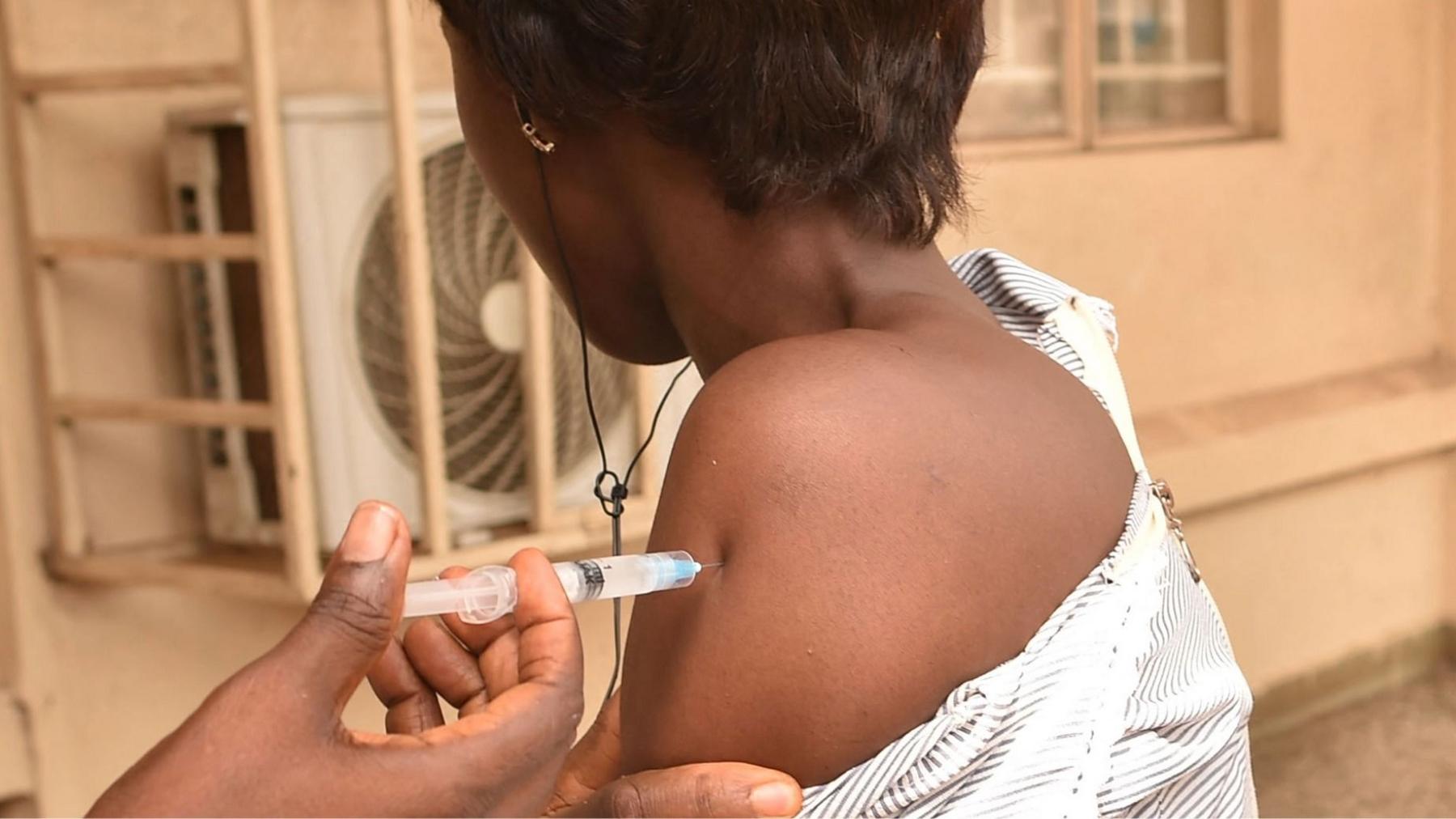
Health officials note that the outbreak is caused by the Bundibugyo strain, for which no vaccine exists. However, the Africa CDC announced that trials of new antiviral drugs could begin this week, offering a glimmer of hope despite the virus’s rapid spread.
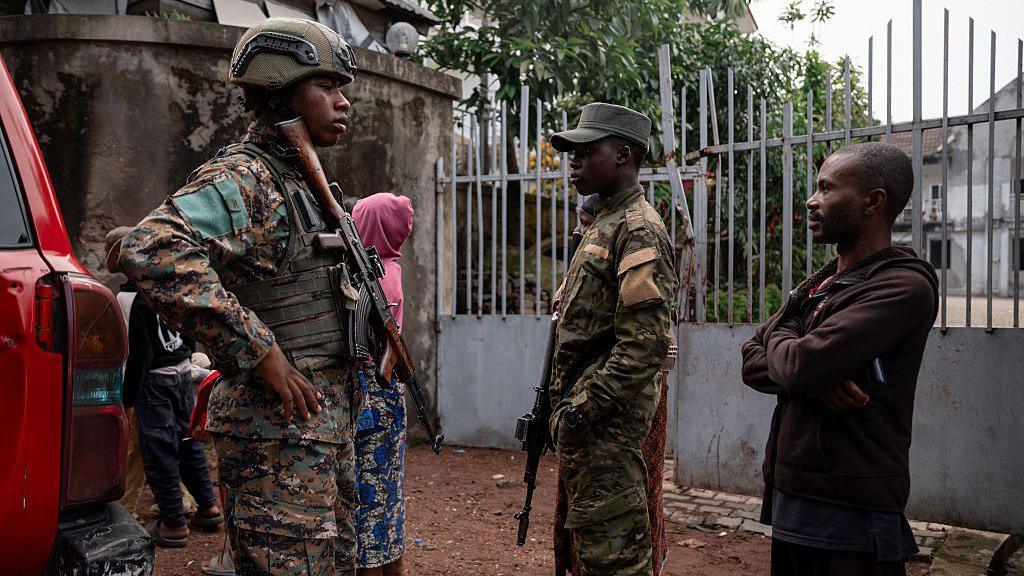
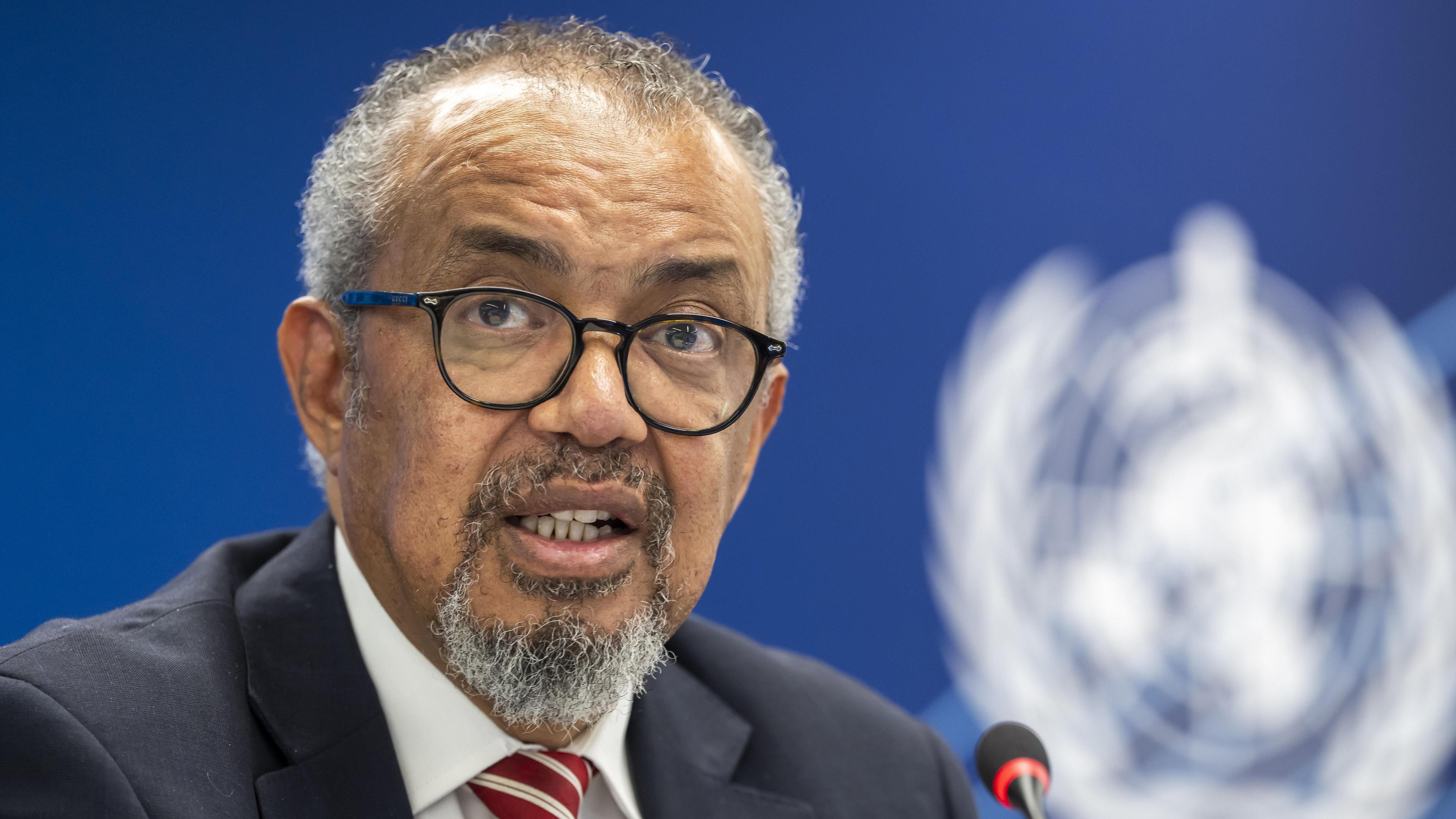
Ebola’s transmission via bodily fluids—particularly blood and vomit—makes physical contact risky, especially amidst living conditions in rural areas where sanitation infrastructure is limited. The WHO warns that conflict in eastern DR Congo, particularly the control of M23 rebels in North and South Kivu, hampers containment efforts.
A still‑necessary measure, the mass‑gathering ban coincides with the upcoming protest march, illustrating the tension between public safety and democratic expression. For the health of the 18‑million‑strong capital, authorities will be closely watching the virus’s incursion and the political fallout.