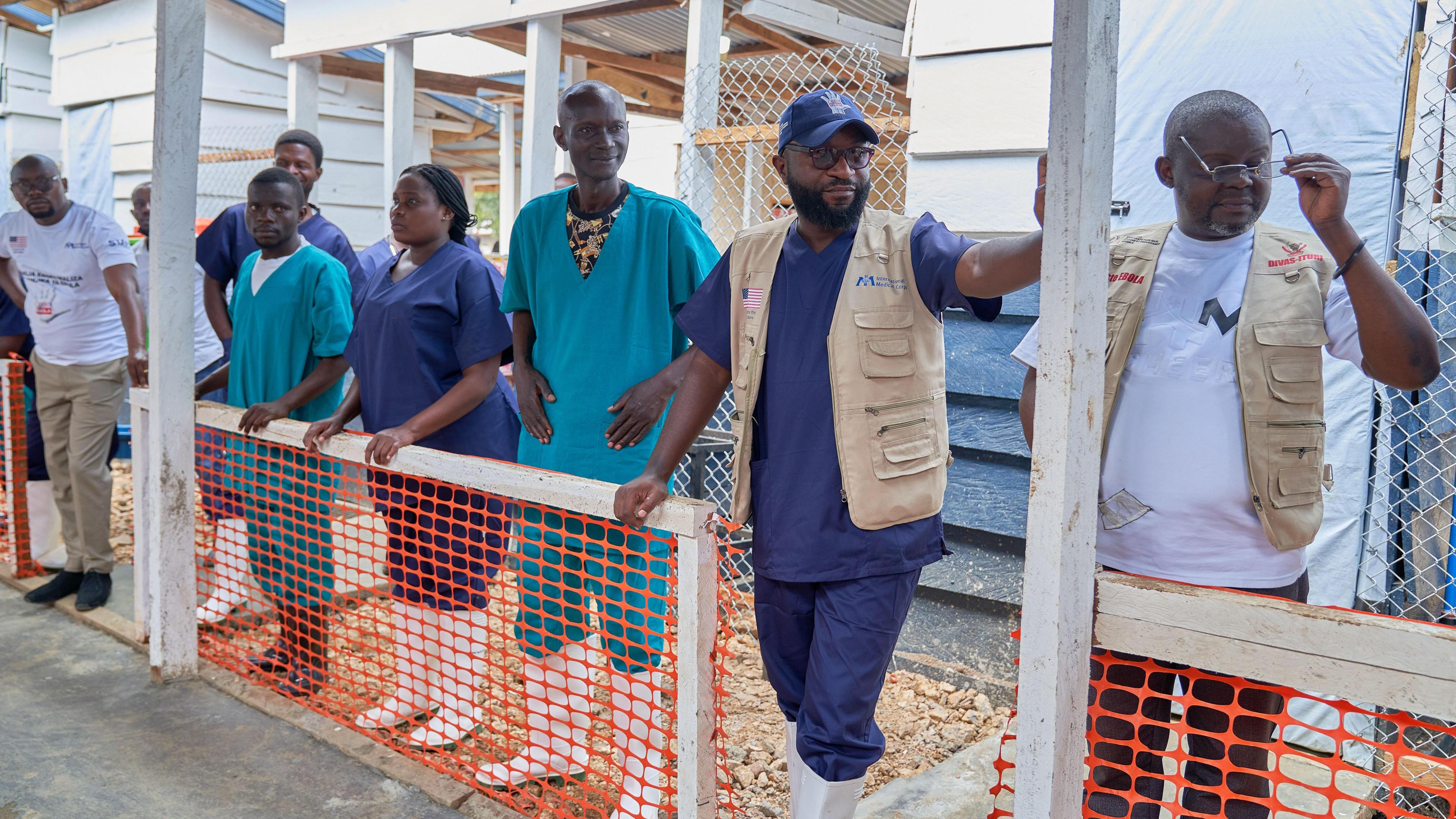
In brief
The Democratic Republic of Congo has surpassed all previous Ebola outbreaks, with 2,325 confirmed deaths since the epidemic began on 15 May. Cases have surged to 4,945, with the disease moving through six of the country’s 26 provinces. While no vaccine is yet approved for the Bundibugyo strain that is responsible, researchers are developing candidates using technology similar to the AstraZeneca Covid‑19 vaccine. The World Health Organization aims to curb transmission within three months, though ending the outbreak remains a long‑term goal.
The Democratic Republic of Congo’s current Ebola outbreak has become the deadliest on record, with 2,325 deaths confirmed since it was declared on 15 May. This toll eclipses the 2018‑2020 epidemic that claimed 1,800 lives.
Public health officials report 4,945 confirmed cases, including 101 new diagnoses in the previous 24 hours. The virus has already spread to six of the country’s 26 provinces, a growth rate described by the World Health Organization as "exceptional".
The outbreak belongs to the rare Bundibugyo species, which has triggered only two known prior epidemics. No vaccine is yet licensed for this strain, though several candidates—one employing the same platform as the Oxford‑AstraZeneca Covid‑19 vaccine—are in clinical trials.
The United Kingdom’s Medicines and Healthcare products Regulatory Agency has approved the first human trials of a vaccine developed by a University of Oxford team, marking a significant step toward immunity.
Ebola’s symptoms—fever, headache, and exhaustion—can appear suddenly, often within two to 21 days after exposure. Severe cases progress to vomiting, diarrhoea, and organ failure, largely transmitted via contact with bodily fluids such as blood or vomit.
The WHO is also conducting a separate trial in DR Congo to evaluate whether existing antiviral therapies can improve survival rates among patients.
Ancillary information indicates that outside DR Congo, only 20 cases have been identified in Uganda, with isolated cases in Germany and France. The international response stresses the need for coordinated surveillance, rapid contact tracing, and community engagement to halt the spread of this deadly virus.