DR Congo launches Ebola vaccine trial amid escalating outbreak
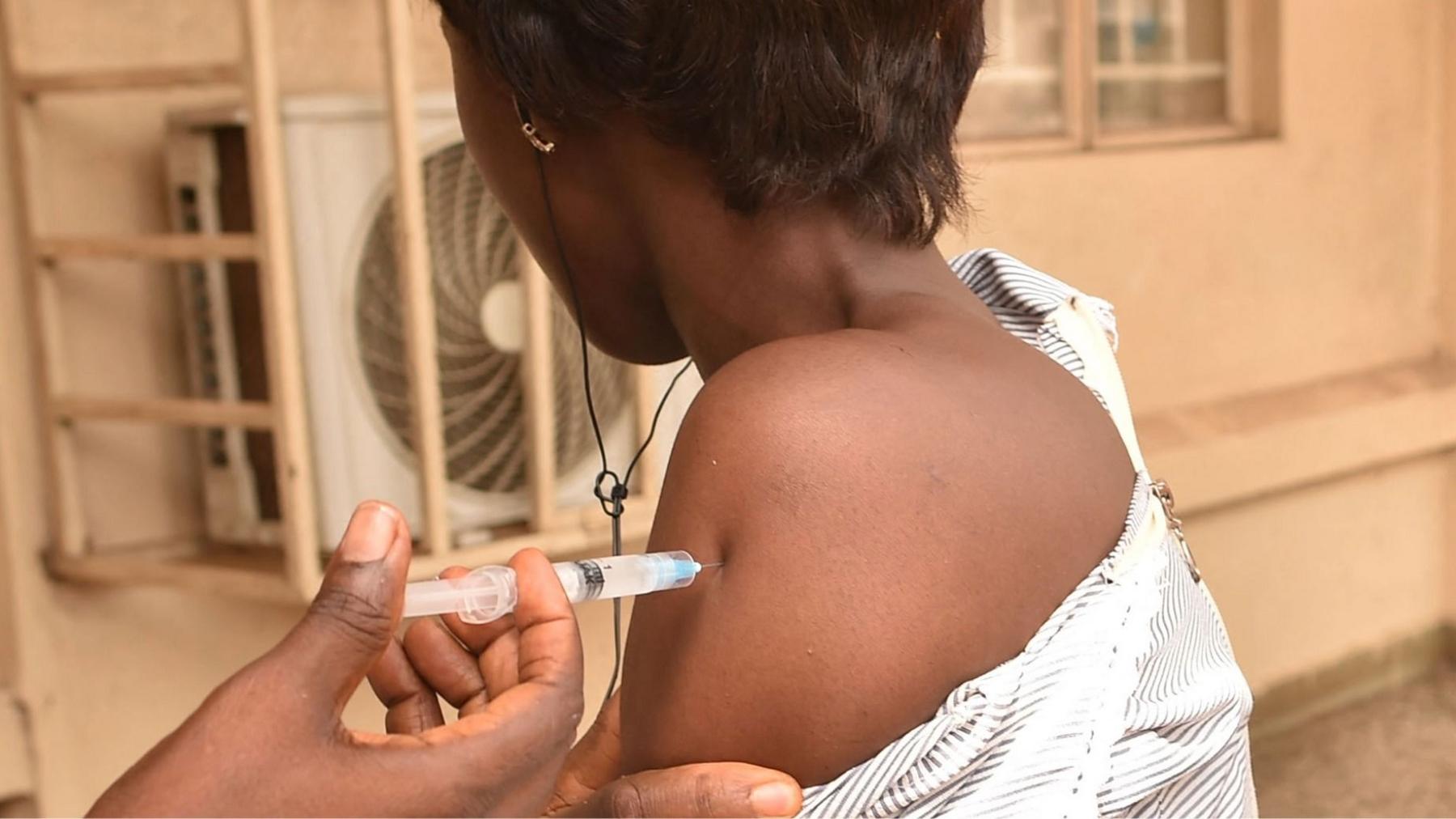
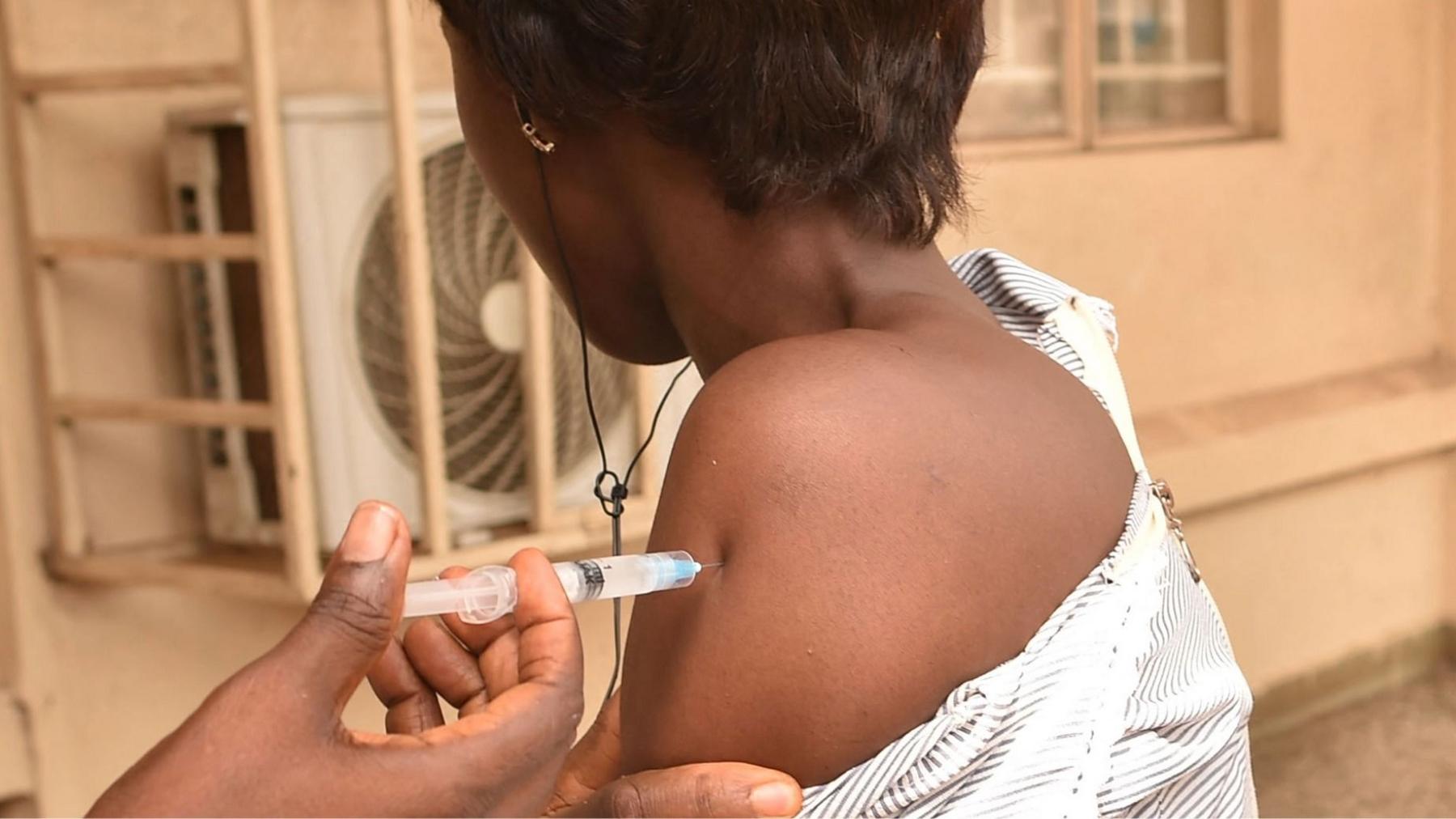
The Democratic Republic of the Congo (DRC) is beginning a roll‑out of the Ervebo vaccine, with 20,000 doses earmarked for a clinical trial to test its effectiveness against the Bundibugyo strain that is currently spreading in the country.
Ervebo protects against the Zaïre species of Ebola, but no proven vaccine exists for Bundibugyo, the virus in question.
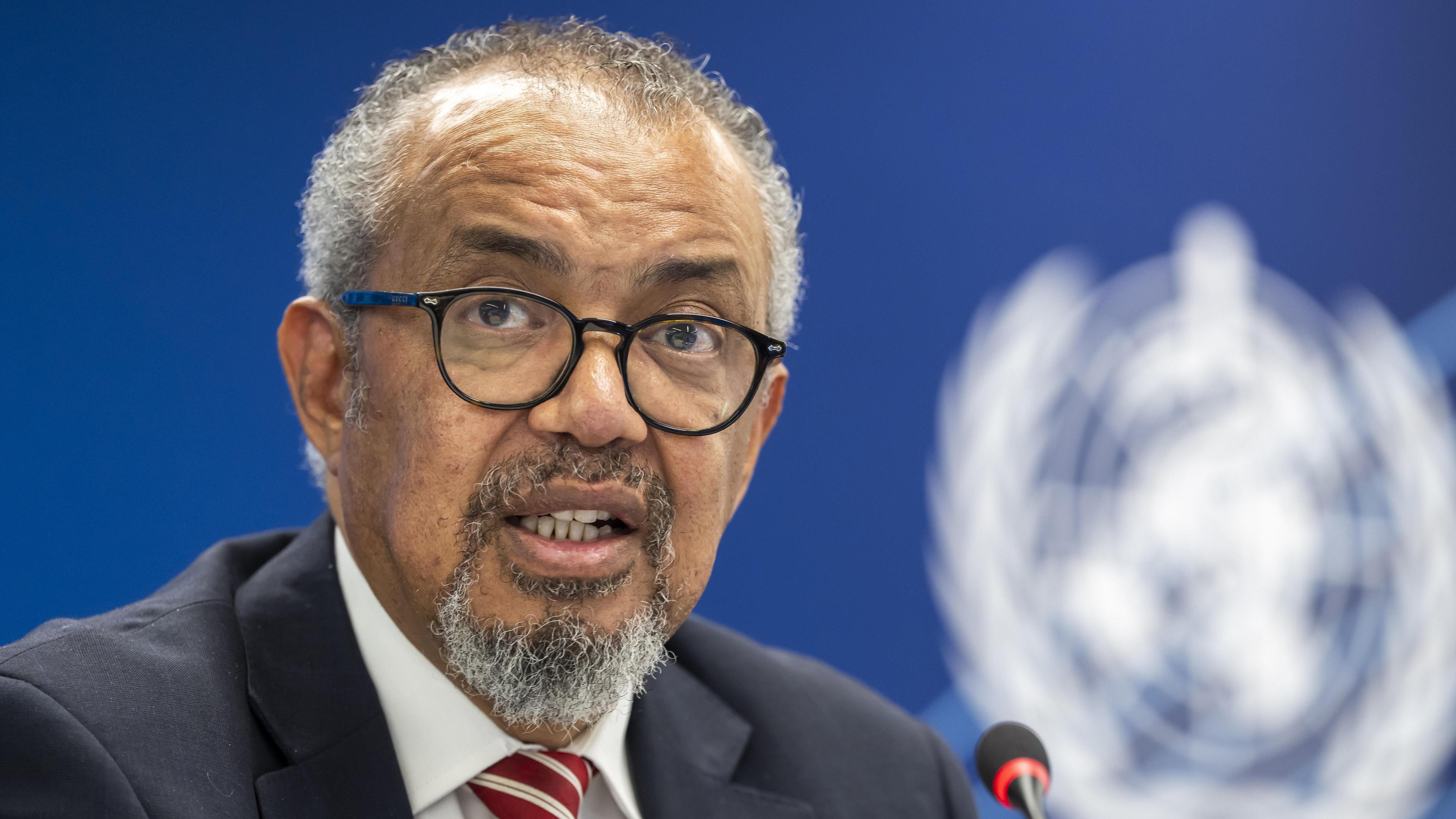
The World Health Organization (WHO) has issued a new warning that Ebola is “growing exponentially” in the north and east of the DRC, with the disease now covering an area bigger than France. The outbreak, declared three months ago, has claimed nearly 2,500 lives to date.
WHO Ebola coordinator Julien Harneis notes that half of all deaths have occurred in the last 20 days, underscoring the rapid spread of the virus.
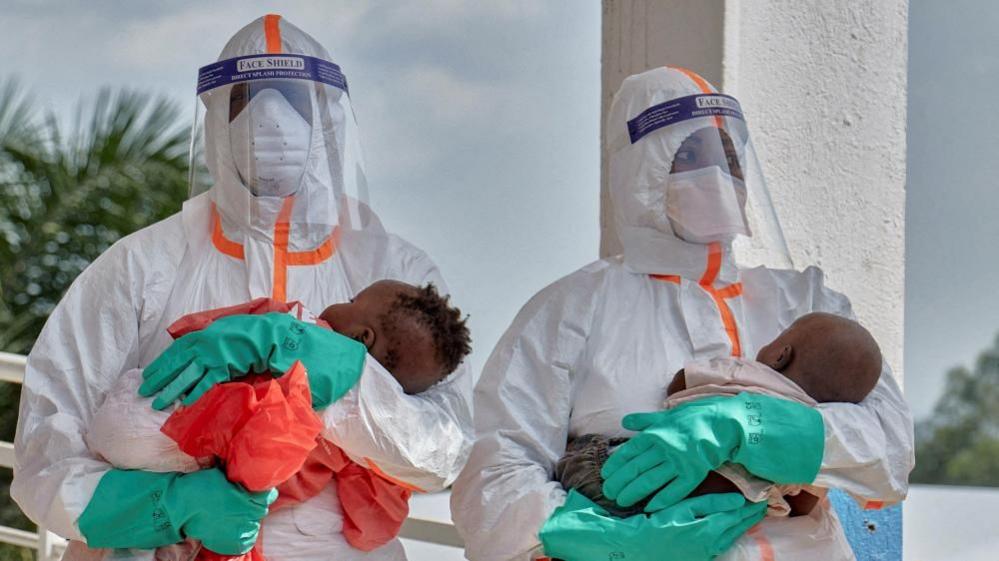
A new report by Save the Children states that at least 180 Congolese children have lost both parents or caregivers since the outbreak began.
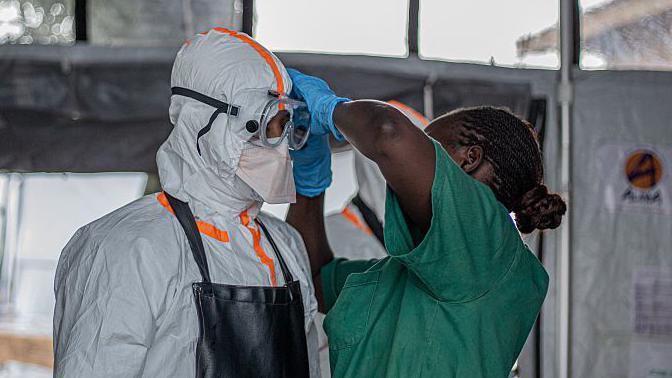
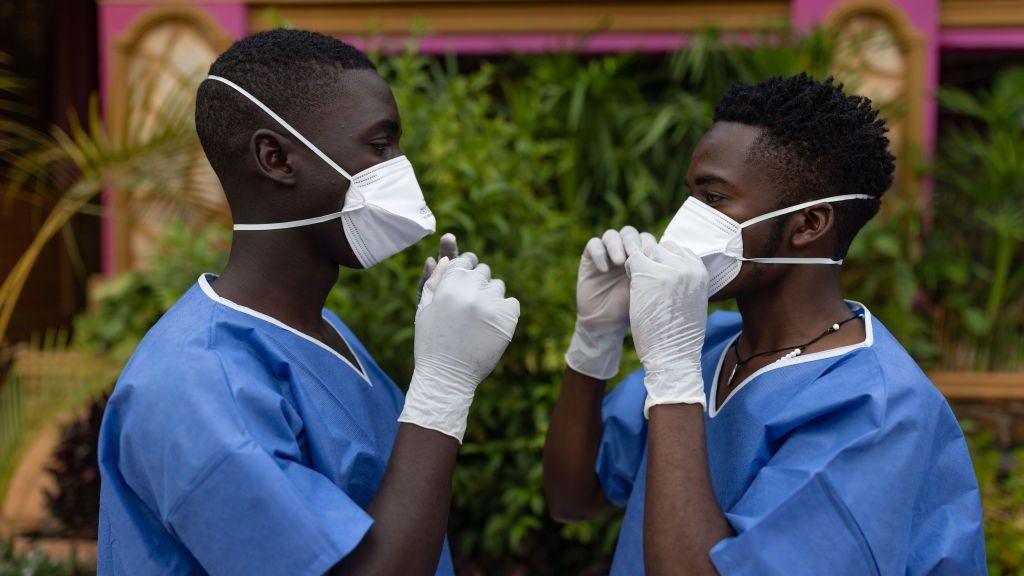
Officials will use 50,000 doses to vaccinate frontline health workers, while the remaining 20,000 will form the core of the trial aimed at determining whether the vaccine can curb Bundibugyo transmission.
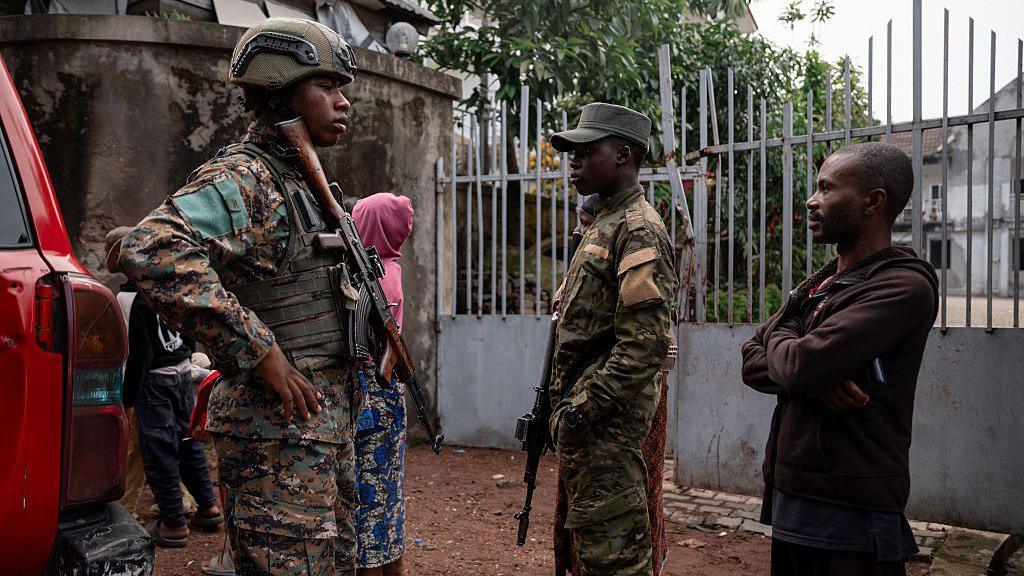
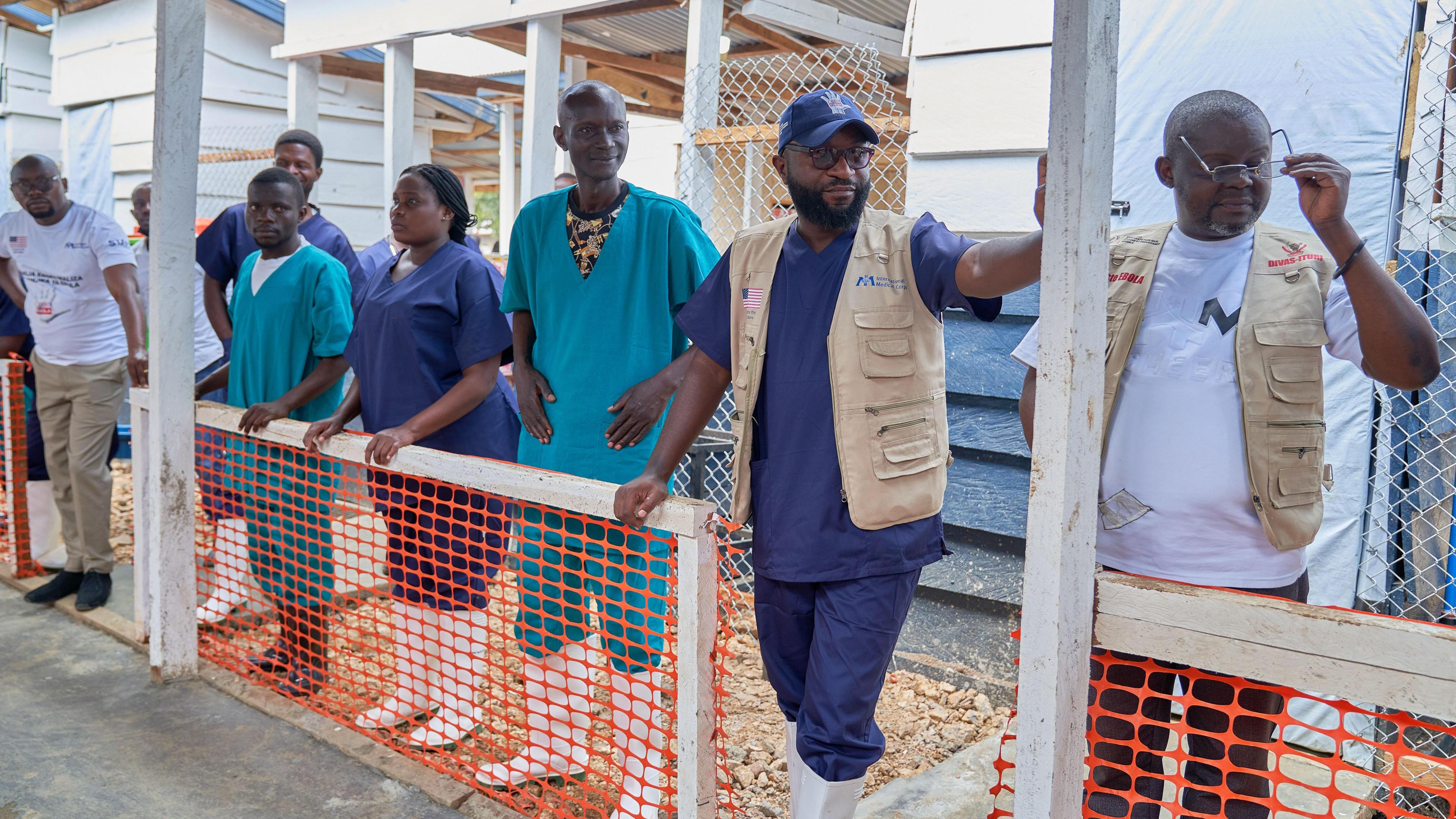
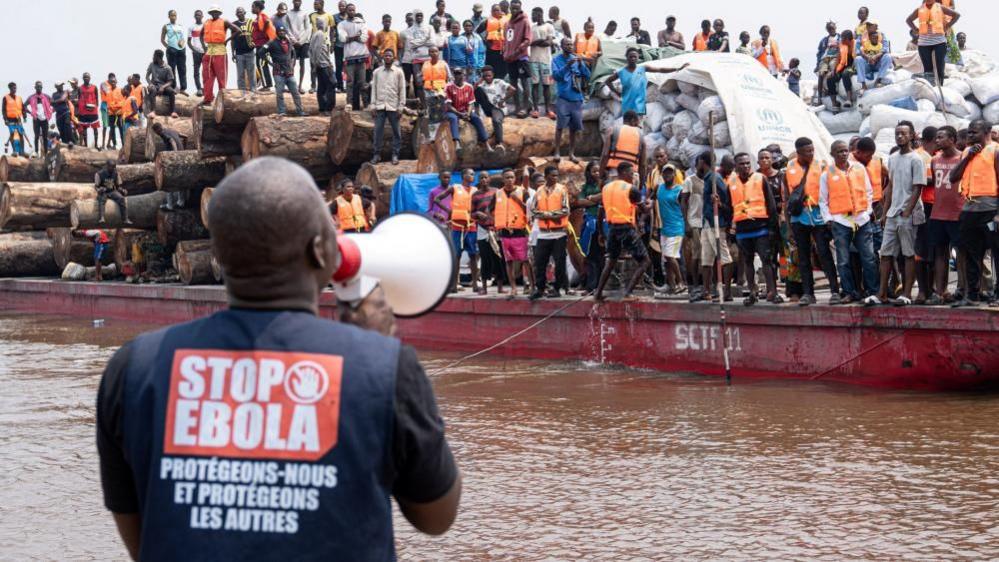
The M23 rebel group, controlling parts of eastern DRC, has announced a one‑month restriction on shared taxis and passenger boats between government‑held and rebel‑held areas of North Kivu Province to prevent further spread.
M23 has set up a parallel Ebola response in its territory and declared the zone Ebola‑free in late June. Their move highlights the difficulty of managing the outbreak within a conflict environment.
Ebola symptoms—fever, headache, weakness—can begin suddenly within two to 21 days after infection. As the disease progresses, vomiting and diarrhoea may develop, leading to organ failure. The virus spreads through contact with bodily fluids such as blood or vomit.