In brief
On October 28, a catastrophic high‑speed train collision near Urda prompted Spanish health officials and the World Health Organization to postpone the Madrid Global Obesity Summit’s final session. Health Minister Monica García called the event a major tragedy and urged blood donations, while the PSOE cancelled Pedro Sánchez’s rally in Vitoria. The Royal Spanish Football Federation also delayed all first‑round Copa del Rey matches in tribute to the victims.
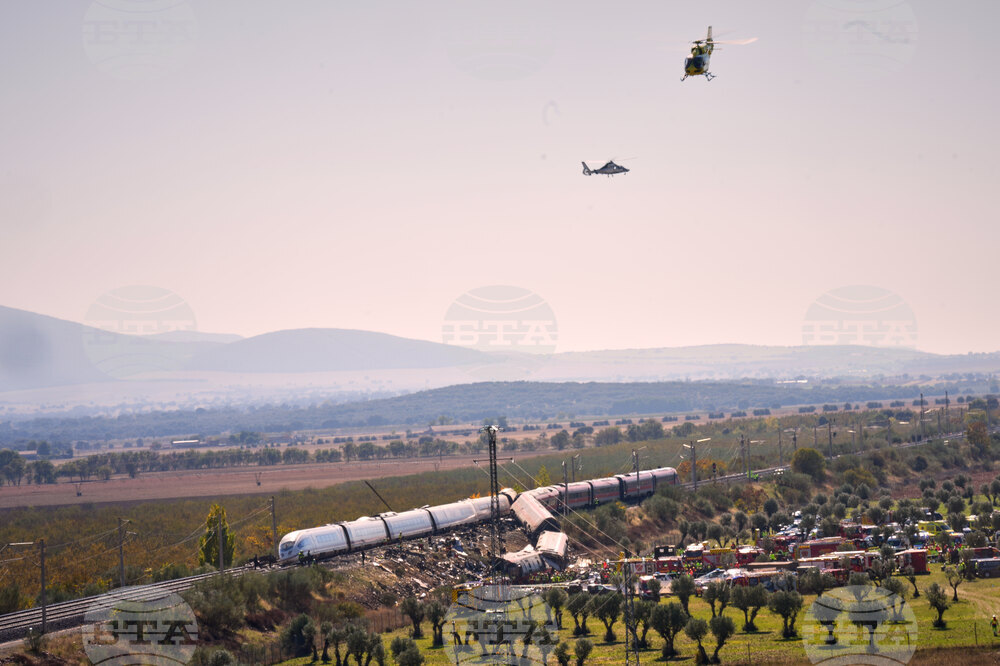
On Tuesday, October 28, a derailment at two high‑speed trains near Urda in central Spain forced the World Health Organization to postpone the final high‑level session of the 2026 Madrid Global Obesity Summit. The collision, which killed dozens and left many injured, unfolded just as the summit, co‑hosted by the WHO and Spain’s Ministry of Health, was set to reach its concluding stage at the ministry’s headquarters.
Spanish Health Minister Monica Garcia described the train collision as a “major tragedy” and called for blood donations to aid the injured. She assured that the ministry was mobilising all available resources in coordination with the relevant authorities to support those affected and to assist survivors and families of the deceased.
Director‑general of Public Health Pedro Gullon announced the cancellation of Wednesday’s event, noting that the Spanish government had suspended its official agenda for the day because of the incident. He said, “We do not yet know the full extent of the accident, but it is undoubtedly a human tragedy,” indicating the gravity of the situation and the need to prioritise emergency response over scheduled activities.
We do not yet know the full extent of the accident, but it is undoubtedly a human tragedy.
WHO Director‑General Tedros Adhanom Ghebreyesus expressed deep condolences to the victims and their families. He explained that the organisation was postponing the event out of respect for those affected, and that a new date would be announced in due course. “Out of respect for the deceased, their families, and the government and people of Spain, we have decided to postpone today’s event,” Tedros said.
Out of respect for the deceased, their families, and the government and people of Spain, we have decided to postpone today’s event.
The news reverberated beyond WHO and the Ministry of Health. The Royal Spanish Football Federation announced the postponement of all 24 Copa del Rey first‑round matches scheduled for Wednesday as a mark of respect for the victims, demonstrating how the tragedy cut across and united sporting and national communities.
Political fallout was also evident. The PSOE organisation cancelled Pedro Sánchez’s rally in Vitoria and all other PSOE events in the city after the collision, reflecting the severity of the incident and its impact on the party’s local campaign schedule.
Earlier that day high‑speed rail services on Spain’s Madrid‑Andalusia line were suspended in both directions, a move confirmed by a broadcast of the Anadolu Ajansı report. The suspension demonstrated the immediate logistical impact of the collision on national transportation and its ripple effect on commuters across the country.
Under the civic lens, the postponement of the obesity summit means that discussions on obesity prevention, which are a priority for global health policy, faced a temporary halt. The summit was set to bring together national health ministries, academia, and industry stakeholders to formulate policies aimed at reducing obesity prevalence across the European Union and beyond. Its temporary suspension therefore delays the policy collegial process that could influence upcoming national health strategies and potential legislative measures on public health initiatives.
Moreover, the tragic train collision itself underscores pressing issues of public safety and infrastructure maintenance that fall squarely under the jurisdiction of local and national rail authorities. The incident will inevitably prompt investigations, legal reviews, and calls for accountability from the Ministry of Transport, the railway company, and the government to prevent future mishaps on a network vital to Spain’s economy and mobility.
Residents in the Urda region are among those most directly affected. Passengers on the two trains, emergency responders, and the families of the deceased have faced immediate loss, injuries, and psychological trauma. The demand for blood donations underscores the community’s need for urgent medical support, while the cancelled public events convey a broader social solidarity that put the memorial and recovery priorities above communal routine.
In sum, the derailment near Urda rippled through public institutions, health policy timelines, sporting schedules, and political campaigns, illustrating how a sudden transportation disaster can reshape the civic calendar and expose the interconnectedness of national health priorities, infrastructural safety, and civic resilience.