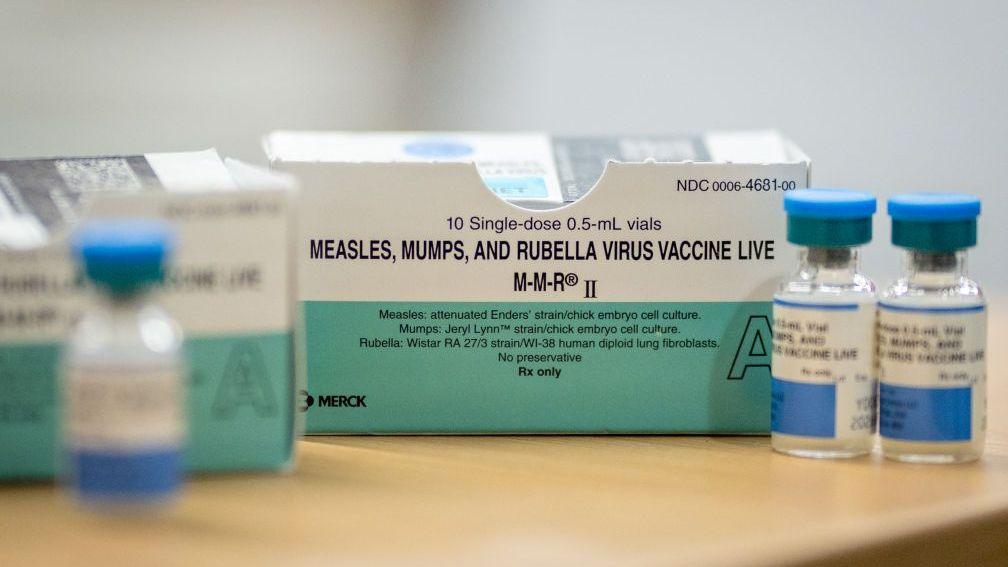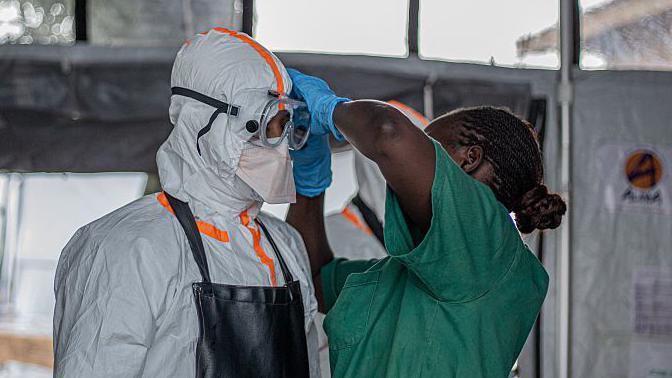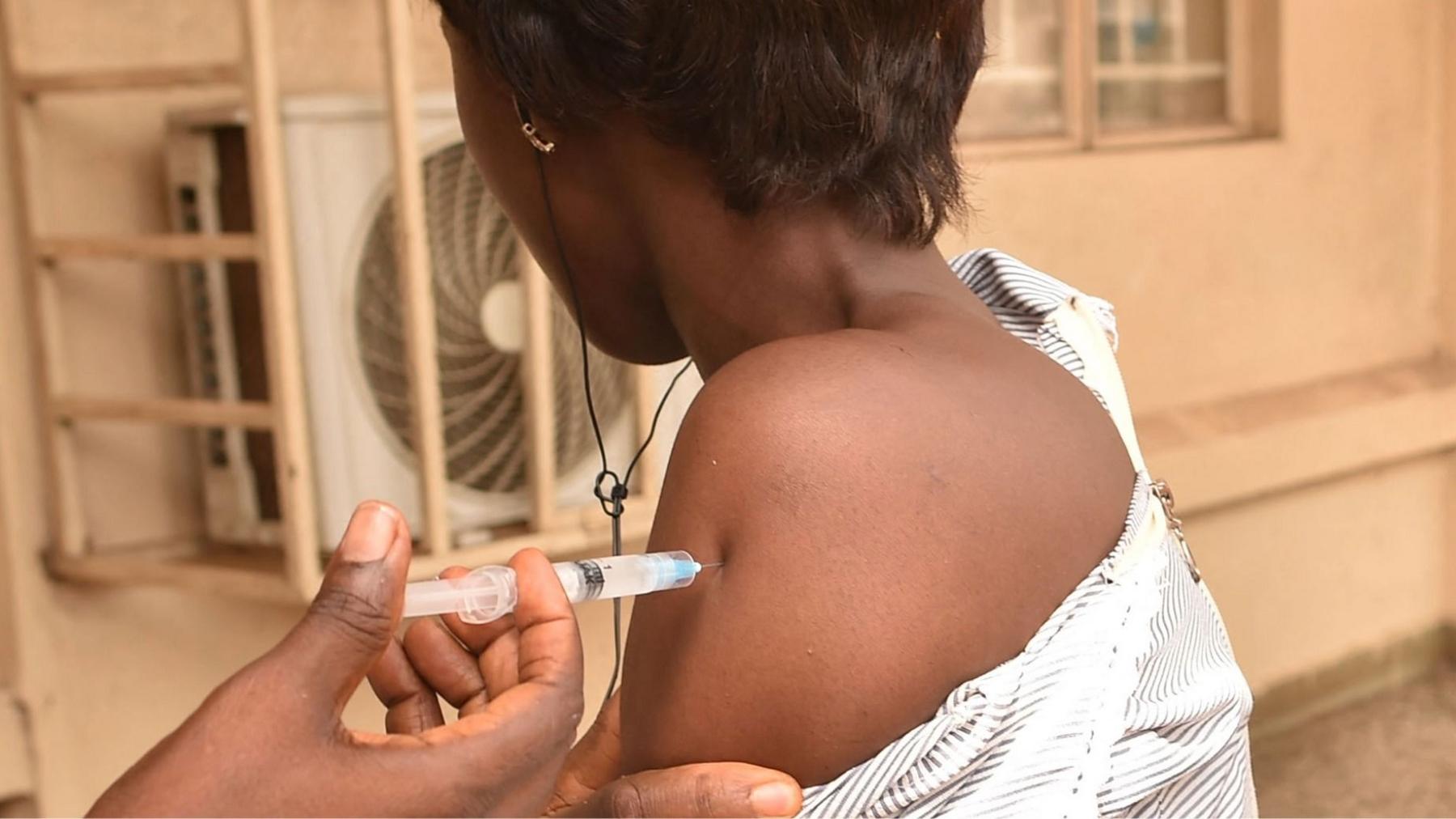
In a bold move to curb the spread of the Bundibugyo species of Ebola, the Democratic Republic of Congo is set to start an Ervebo vaccine rollout that includes a clinical trial. The vaccine, proven to protect against the original Zaïre strain, will now be tested on survivors and high‑risk groups amid the country’s worst outbreak in 25 years.
Although Ervebo has shown efficacy against the Zaïre strain, no proven vaccine exists for Bundibugyo, the virus circulating in eastern and northern provinces. The trial will evaluate how well the vaccine protects against this newer strain.
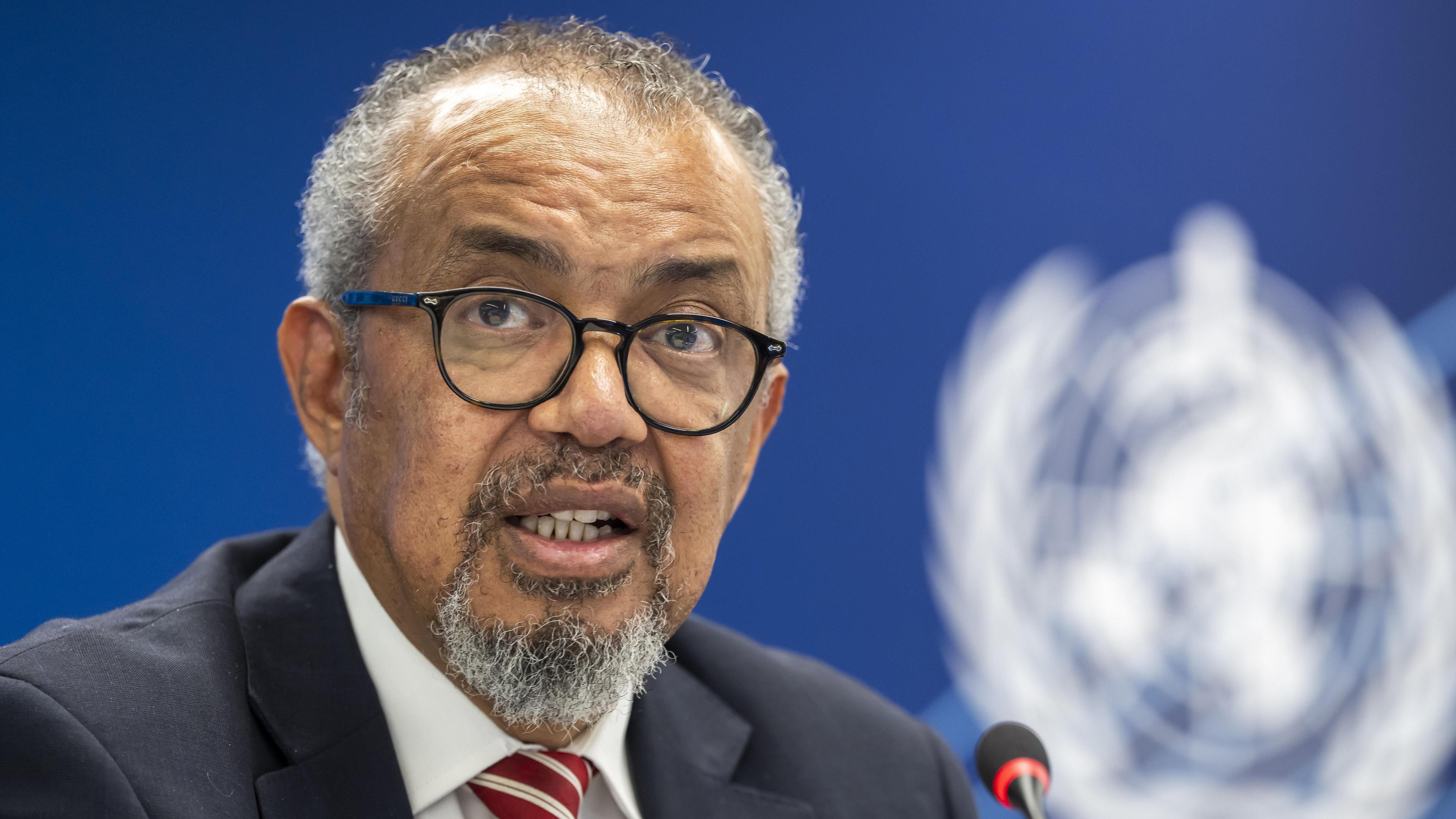
The World Health Organization has warned that Ebola is “growing exponentially” in the north and east of DR Congo. The spread now covers an area larger than France and has killed close to 2,500 people, with half of those deaths occurring in the last 20 days.
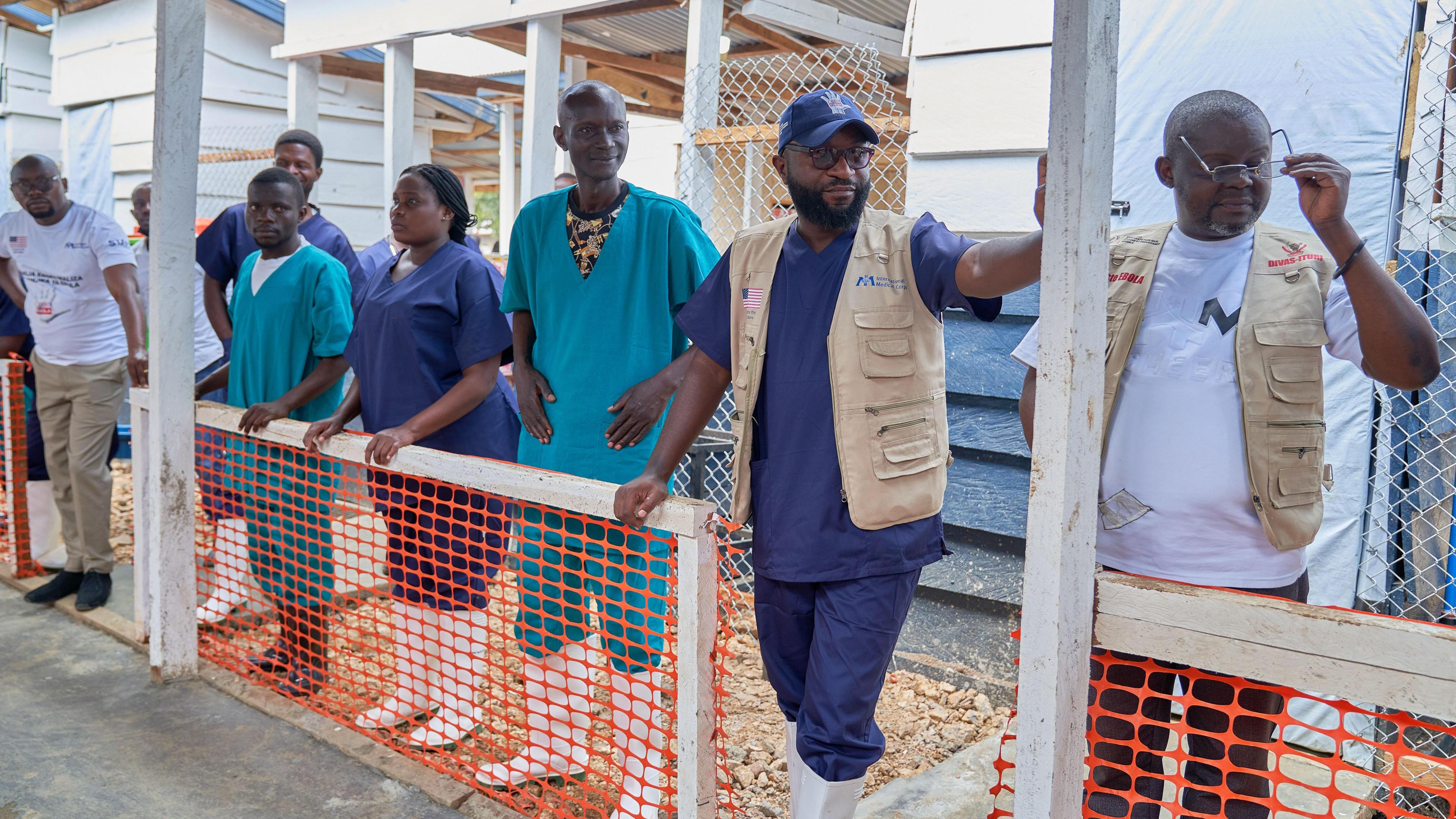
WHO will use 20,000 doses to test the vaccine’s effectiveness against Bundibugyo, while 50,000 doses will be allocated to health‑worker cohorts. This allocation has been welcomed by both the WHO and the Africa Centres for Disease Control and Prevention as a vital reinforcement of the response.
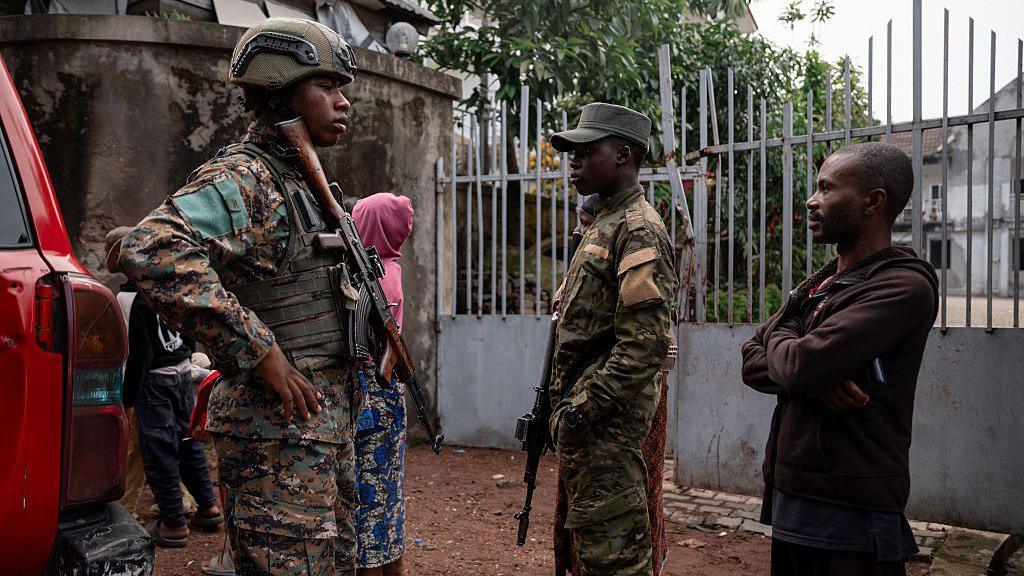
In addition to medical efforts, the M23 rebel group that controls parts of North Kivu has announced new restrictions on movement between government‑held and rebel‑held areas. Shared taxis and passenger boats will be suspended for one month, while other transport will continue under strict health controls. The measures follow reports that two travelers tested positive for Ebola in a village under M23 control, prompting a rapid containment strategy.
The outbreak is further complicated by early misdiagnosis of the disease as typhoid or malaria, ongoing conflict, local suspicion towards health authorities, and cultural burial practices, all of which impede swift containment. The Bundibugyo species is especially rare, with only two prior outbreaks documented worldwide.
Ebola’s early symptoms resemble flu or malaria, featuring fever, headache, and fatigue. Within 2 to 21 days of infection, vomiting and diarrhoea can develop, leading to organ failure. The virus spreads through direct contact with bodily fluids such as blood or vomit, which is why strict protocols are now required around burials to prevent further transmission.