On November 9, 2026, a joint delegation of 27 Chinese medical professionals and CDC experts visited Sangbaia Community in northern Sierra Leone, where they provided free medical consultations, screenings, and disease‑prevention education to roughly 250 residents and employees of the nearby Leone Rock Metal Group. The three‑day mission concluded with a free multidisciplinary clinic that offered consultations, examinations and treatments, including traditional Chinese medicine therapies, to local residents.
The delegation, the 27th Chinese medical team to Sierra Leone, was led by 11 members of the Chinese medical team and an expert group from the Chinese Centers for Disease Control and Prevention. They focused on infectious‑disease prevention, first‑responder training, and preventive health education over the weekend. Ramadan, the mission team held sessions on Ebola prevention and malaria control at the Leone Rock plant on Friday, followed by practical first‑aid training that included demonstrations of cardiopulmonary resuscitation techniques for responding to cardiac emergencies.
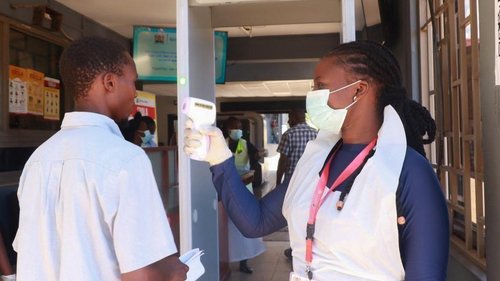
After the lectures and training, the delegation opened a free multidisciplinary medical clinic. The clinic offered consultations, examinations and treatment to residents of Sangbaia Community on Saturday. Specialists conducted blood pressure and blood glucose checks, eye examinations, cataract screenings and administered traditional Chinese medicine treatments and free essential medicines. Residents also received acupuncture and tuina massage therapy for musculoskeletal complaints.
Leone Rock’s community department manager Alusine Sesay welcomed the outreach. He said, "We appreciate the medical team for making this initiative possible and for dedicating their time and expertise to serving the people of Sangbaia."
"We appreciate the medical team for making this initiative possible and for dedicating their time and expertise to serving the people of Sangbaia."Alusine Sesay, community department manager, Leone Rock Metal Group
Alusine highlighted how community development also requires investment in people’s health, noting the medical outreach as a vital public‑service contribution. The initiative was especially welcomed by Ibrahim Keita, a local chief in Sangbaia, who expressed gratitude for bringing essential healthcare services closer to residents, mentioning children in particular.
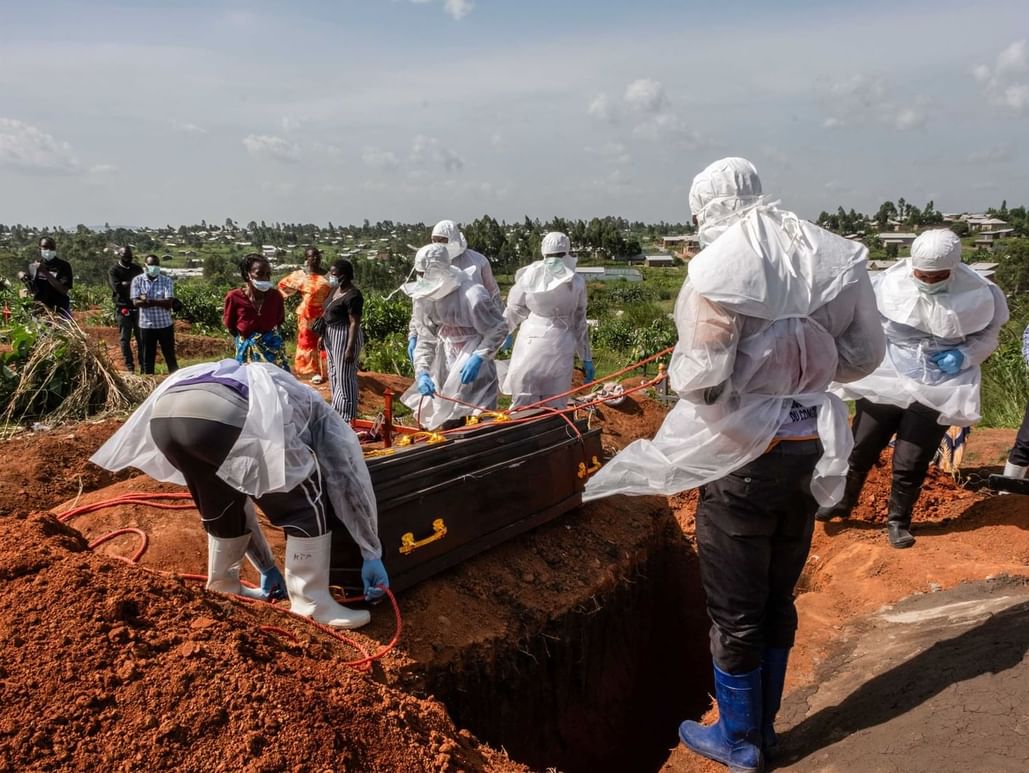
The mission had a clear emphasis on disease‑prevention education, with the team delivering extensive lectures on Ebola prevention and malaria control. The sessions aimed to empower the community with knowledge on how to avoid exposure to outbreaks and reduce malaria transmission. The first‑aid training was interwoven with demonstrations of cardiopulmonary resuscitation, offering practical skills for emergency response.
In addition to the prevention and training components, the free clinic featured a range of medical services. Blood pressure and blood glucose checks were conducted for chronic disease monitoring; eye examinations and cataract screenings addressed vision‑related health concerns; and essential medicines were distributed free of charge. Traditional Chinese medicine was also incorporated; specialists administered acupuncture and tuina massage to treat muscle and joint complaints, offering an integrative approach to health care.
According to the delegation, roughly 250 residents—an estimate that includes both community members and employees—benefited from the outreach. The demographic spread included adults, children, and the elderly, ensuring a broad impact on the local population.
Leone Rock, the local metal‑processing company, is one of the prominent employers in the area. The delegation’s free medical services extended to company employees and therefore had a direct effect on company staff health and productivity. The outreach project fostered government‑private partnership sentiment, reinforcing the role of public institutions in healthcare delivery.
The Chinese medical team's presence also underscored the international cooperation between China and Sierra Leone in health services. By combining expertise from the Chinese Centers for Disease Control and Prevention, the delegation exemplified cross‑border collaboration aimed at supporting community development and disease prevention.
Overall, the mission demonstrated how medical outreach can address critical health needs, such as chronic disease monitoring and disease‑prevention education, while also strengthening community ties and public accountability. The initiative was welcomed by local leaders, healthcare providers, and the residents who received the services during the three‑day operation.
In a broader context, the three‑day mission exemplifies a model where international medical teams collaborate with domestic institutions to provide publicly accessible health services and education. It highlights authorities’ commitment to civic responsibilities by improving the health status of underserved communities.