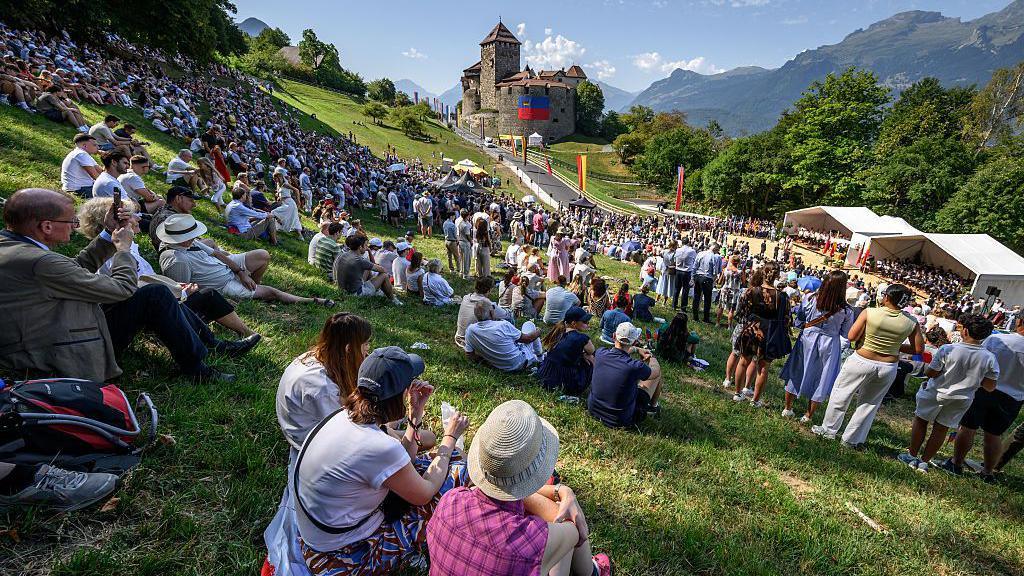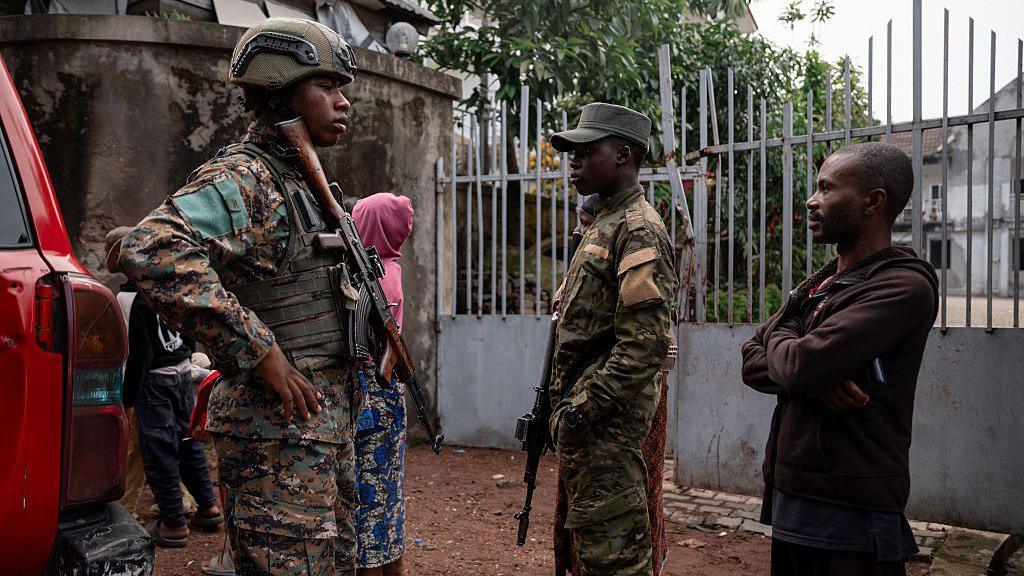
After intensive talks in Bern, Congo’s government and the Rwanda‑supported M23 rebels have agreed on a comprehensive roadmap for peace negotiations, a decision seen as a crucial step toward ending years of conflict in the eastern provinces.
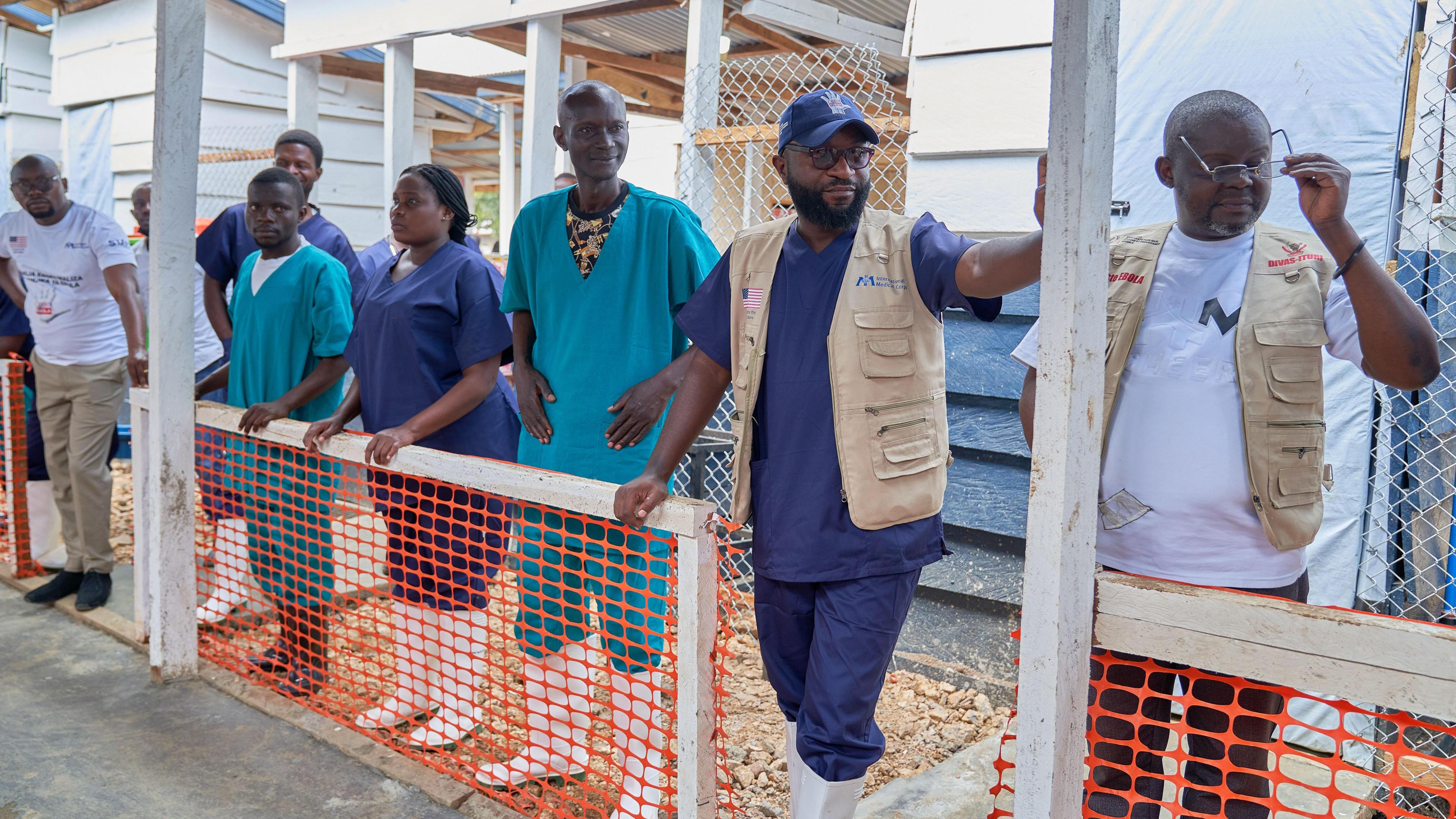
The two parties, joined by international stakeholders such as the United States, Qatar, the African Union Commission and host country Switzerland, signed the framework in alignment with the Doha Agreement drafted in 2025. The plan outlines a timeline for successive rounds of talks and introduces a monitoring mechanism to track ceasefire violations, with a verification team expected to launch operations in the war‑torn Minembwe area of South Kivu next week.
Despite the formal agreement, hard‑line issues remain. M23 demands the removal of sanctions imposed by the United Nations, while the Congolese government insists on the release of loyalists captured during earlier fighting. Both sides also disagree over the schedule for political reforms and the handling of detainees. In the weeks that followed the signing, sporadic skirmishes have erupted on both sides, with each accusing the other of breaching the ceasefire.
The conflict’s roots extend beyond the immediate region. Mailed letters from Rwanda to Congo’s officials threatened to withhold reconnaissance support for the Democratic Forces for the Liberation of Rwanda (FDLR), a group Rwanda considers a direct security threat. Congo, on the other hand, denies it backs the FDLR and points to accusations that Rwanda supplies M23 troops and weaponry. Conventional media reports in early 2025 highlighted a spike of violence when M23 seized the city of Goma and two key airports.
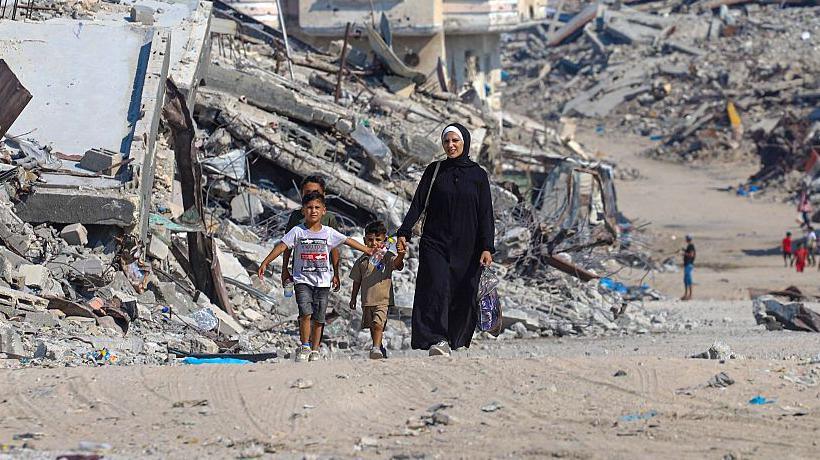
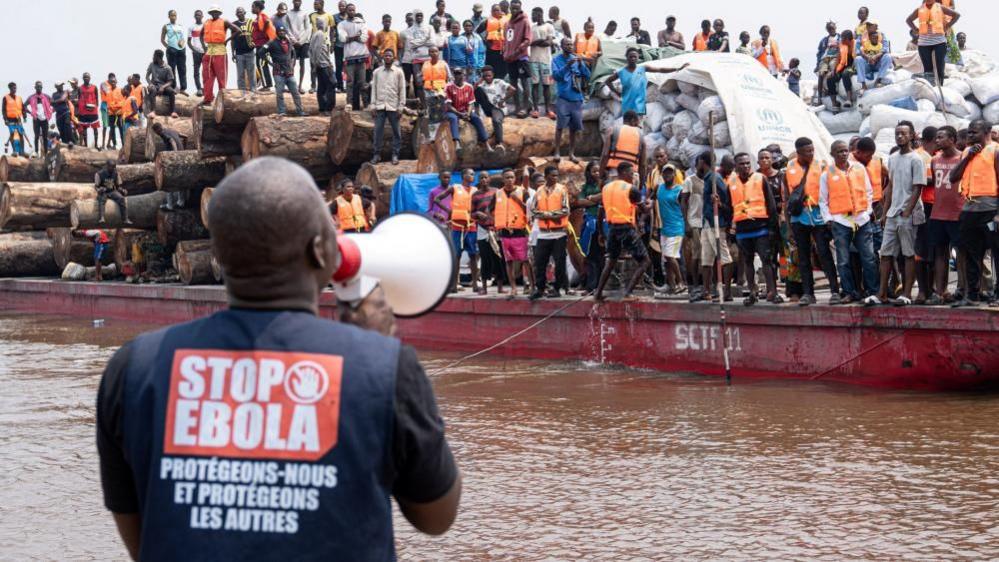
Bolstered by its rich deposits of coltan and other minerals that fuel the global electronics supply chain, eastern Congo has long hosted a precarious competition over resource control. Recent hostilities have driven thousands to death and displaced an estimated hundreds of thousands of civilians from their homes.
While the roadmap is a beacon of promise, the practicality of its deployment will rest upon the cooperation of multiple actors and the enforcement of the Doha Framework’s provisions. For now, communities in the eastern provinces watch closely as diplomatic corridors open—but war‑time shadows linger. The next steps will determine whether the region can move beyond its century‑old cycle of conflict.