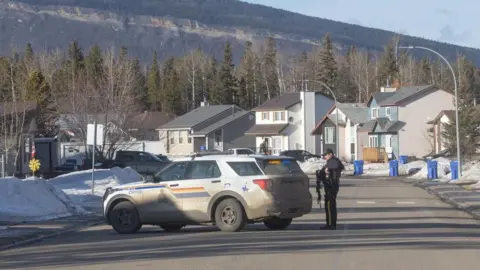
The federal officer steps in front of the Honda SUV, parked nearly perpendicular across a one-way residential street in Minneapolis, with snow piled up on the curb.
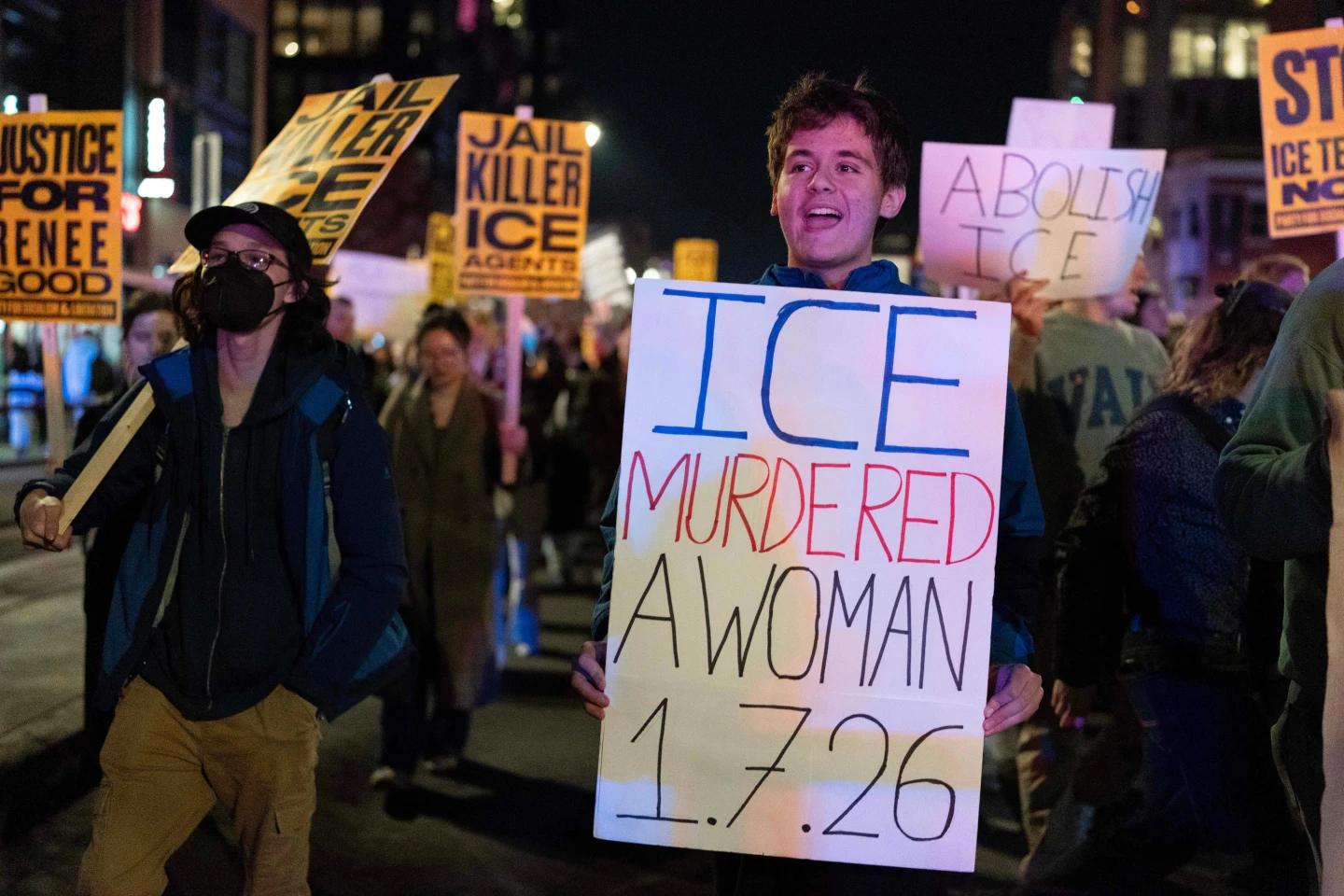
Within seconds, he would shoot and kill the driver, Renee Good, a 37-year-old mother of three.
Federal officials said the officer acted in self-defense, asserting that Good was engaging in “an act of domestic terrorism” when she pulled forward toward him and that he was fortunate to escape alive.
Critics argue that the choices the officer made diverge from established practices that most law enforcement agencies have adhered to for years.
‘A dangerous decision to make’
Videos from bystanders show the Honda straddling lanes, with Good signaling for traffic to pass. Tensions escalated as nearby bystanders heckled officers and attempted to draw attention to the presence of immigration agents.
When officers approached, they shouted for her to exit the vehicle. Experts like Geoffrey P. Alpert from the University of South Carolina criticized the initial actions taken by the officer who stood directly in front of the vehicle, a tactic discouraged by many departments for safety reasons.
‘A 4,000-pound unguided missile’
After the officer fired his weapon, controversy erupted about whether such a decision was appropriate, given the risks involved. Homeland Security officials have labelled the event as defensive, yet the legality remains under scrutiny.
With calls for accountability growing, legal experts argue that a full investigation is necessary to understand the rationale for the officers' actions and whether there were alternative measures available to apprehend Good without loss of life.
Advocates for civil rights are urging a thorough review of the incident and subsequent policies governing immigration enforcement, especially amidst increasing tensions over border patrol and local law enforcement collaboration.