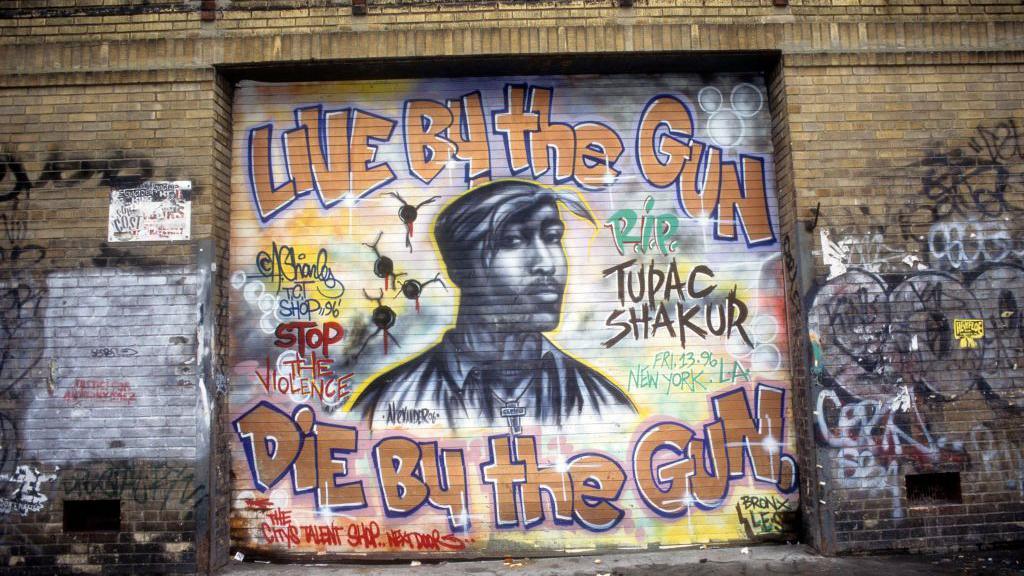
For three decades the murder of hip‑hop icon Tupac Shakur was a cold‑case mystery that spurred endless speculation. The rapper was fatalised in a drive‑by shooting on 7 September 1996, a crime that was never solved despite countless witnesses and a complex tapestry of gang rivalry.
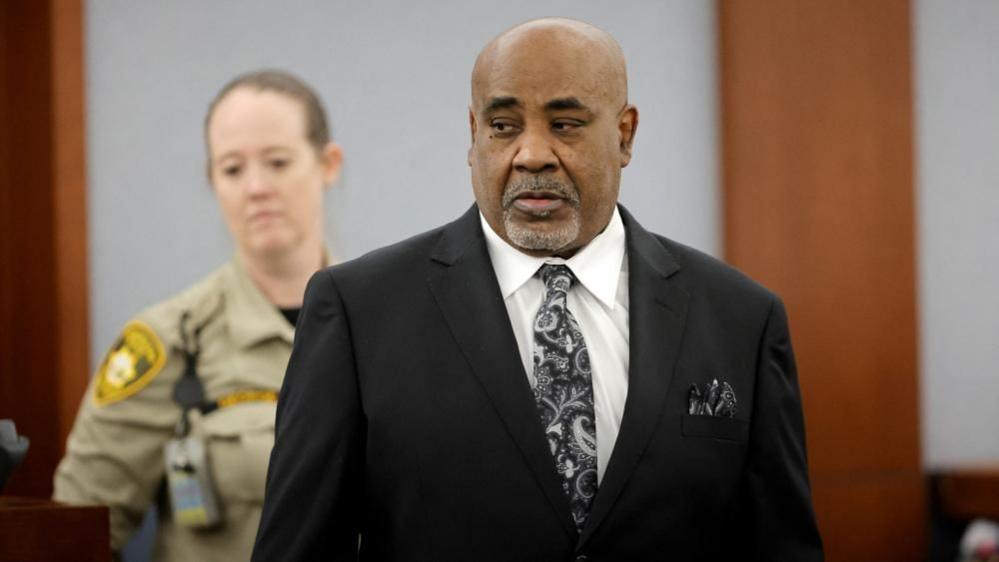
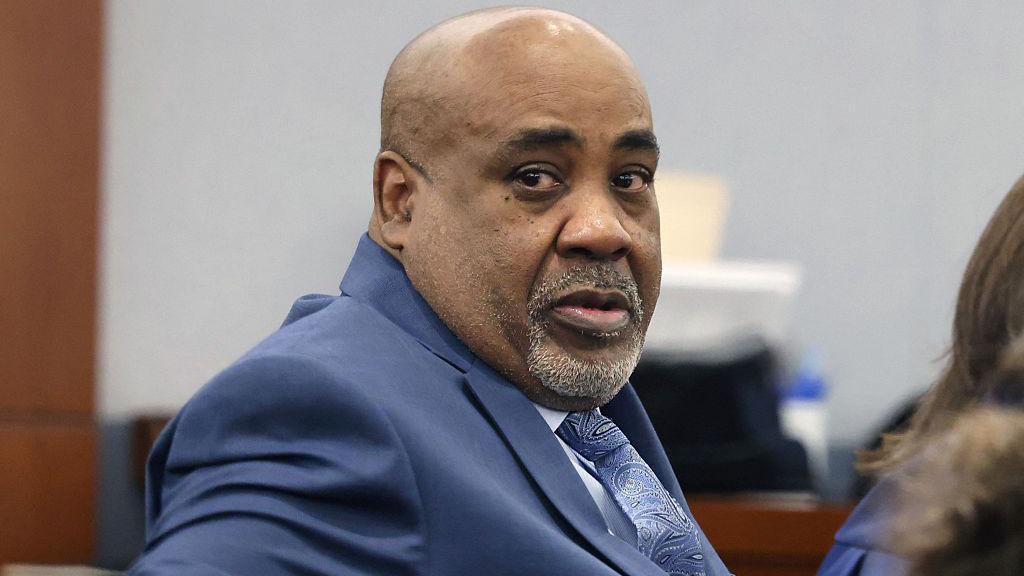
In 2023, former gang boss Duane “Keffe D” Davis, 63, was unexpectedly charged with the murder. Prosecutors allege that Davis organised the shooting as retribution for a beat‑up his nephew Orlando Anderson—an alleged Crip member—had suffered the night before Tupac’s death.
The key evidence for the case is Davis’s 2019 memoir, Compton Street Legend, which describes his presence in the vehicle used to fire the shots and his role in supplying the weapon. He maintains that the book was a collaborative effort and that some passages are fictionalised.
The trial, set for coming weeks in Las Vegas, will invite witnesses from the 1990s rap world, including former Death Row Records CEO Suge Knight and other executives. The courtroom showdown is expected to detail the East‑Coast/West‑Coast feud that defined Atlanta and L.A. hip‑hop, as well as the deep‑rooted turf wars between the Bloods and Crips that were blisteringly portrayed in songs.
If convicted, Davis faces life in prison without parole, with a decision that could finally settle a case that has haunted the music industry for 30 years. The case also demonstrates how music and violence intersected in 1990s America, turning an artist into a cultural martyr and a symbol that still resonates today.