In brief
The Democratic landslide in November 2026 positions the party to press President Trump's foreign policy decisions, especially regarding the Iran conflict, trade measures and Ukraine aid. Congressional control over appropriations and war powers resolutions could pressure the administration, but Trump’s veto power and a lack of supermajority institutions may constrain swift policy changes. European leaders remain cautiously upbeat about stronger ties, while polarization threatens to render U.S. foreign policy unpredictable.
On November 5, 2026, the United States saw a decisive shift in political power when the Democratic Party secured a sweeping victory in the midterm elections. The gains grant Democrats control of both chambers of Congress, providing the opportunity to scrutinize and potentially override President Donald Trump’s foreign policy decisions on Iran, trade, and Ukraine. While the new majority holds powerful leverage, the extent of the changes it can enact faces limits set by the President’s executive authority and the lack of a congressional supermajority to override vetoes.
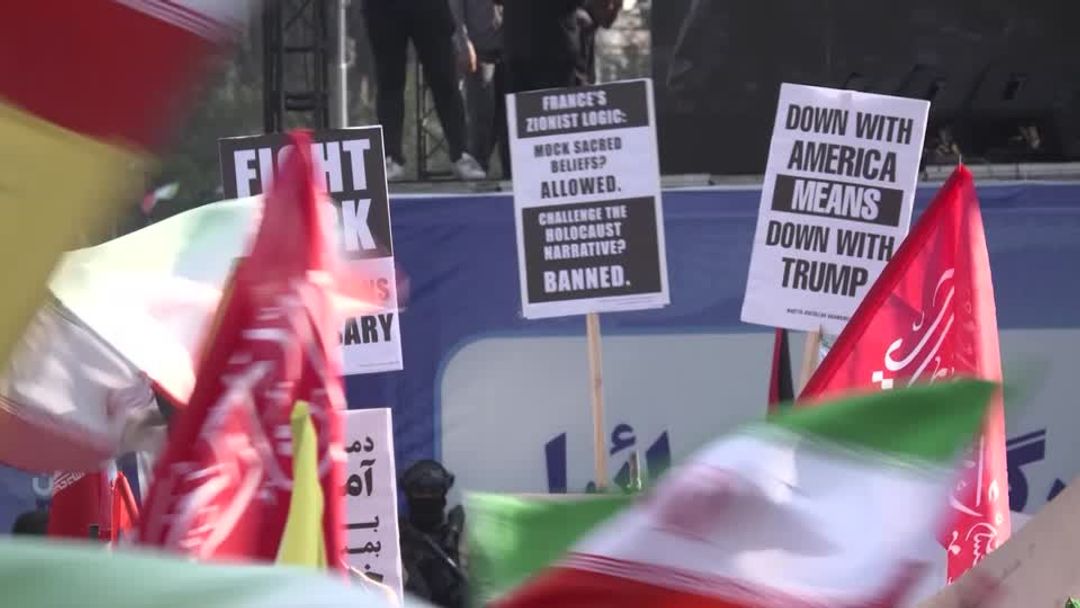
Democrats plan to leverage congressional tools such as war‑powers resolutions, appropriations processes, and oversight hearings to address the Trump administration’s military engagement with Iran. The administration’s decision to pursue an “Iran war” has faced criticism among Republicans, who attribute part of their electoral losses to the conflict. Trump himself has framed the war as a regrettable decision but not one that he would change. With Iraq and Syria theatres and the broader Middle East region at stake, the program’s oversight is a prime concern for the incoming majority.
Iran War
Senate Democratic leader Chuck Schumer said on Wednesday that the incoming majority could use Congress’ control over federal spending to pressure Trump to end the war. He added,
The power of the purse is one of the ways of deterring a president who does war without the consent of the American people.He followed up with a further statement that the American people don’t know what they are fighting for in Iran, underscoring the public confusion around the conflict.
House Armed Services Committee member Jason Crow, a Democrat from Colorado, told CBS News that the House had already voted on seven war‑powers resolutions concerning the conflict, with two passing so far. Crow emphasized that Congress should continue holding votes to assert civilian control over the military.
Both Schumer and Crow represent the same literal fact that the national legislature has already begun testing its war‑powers authority – a strategy they expect to intensify now that Democrats hold the majority. Yet Congress does not have automatic authority to cancel an ongoing war. Instead, it can use its budgeting process to restrict funding for continued operations, thereby forcing the President to either adjust or find alternative means of sustaining the conflict.
Tariff Policy
Another focal point for Congressional scrutiny is the administration’s tariff policy. Trump’s proposed tariffs on a range of goods from steel to electric vehicle batteries have drawn criticism for harming American consumers and foreign partners. Democrats now plan to roll back some of those tariffs, using the Department of Commerce budget authority and targeted tariff adjustments. The trade dilemma runs deep: the United States is concerned about the long‑term impact on domestic manufacturing and global alliances alike.
While Democrats openly moved against the tariffs, Trump’s executive orders have introduced new trade restrictions that are harder to dismantle without a reskim from Congress. This adds uncertainty to global supply chains and raises questions about international economic alliances that could be affected by the new majority’s trade agenda.
Ukraine Support
In its approach to the Ukraine crisis, Democrats support stronger aid measures for Ukraine. This includes increasing military assistance and providing more diplomatic backing for Western sanctions against Russia. The incoming Democratic majority is expected to push the administration’s assistance into the federal budget, allowing for higher funding levels than the President has yet approved.
Both Congress and the White House, in this case, must coordinate the levels of assistance, the duration of funding, and public messaging about the homeland’s stance on the Ukraine conflict. The Democratic onslaught on this issue signals that the United States will keep pressure on Russia, but the partnership with allies across Europe and Eurasia may stay fragile because these policy changes require cross‑party cooperation in Congress to take effect.
European leaders have expressed cautious optimism about a stronger transatlantic coalition. They applaud the national committees and the Trump administration’s high competition with foreign policy. Some European officials, however, note the heightened polarization in the United States. If policy shifts shape unevenly, European partners may see a less predictable U.S. foreign stance, with the potential for a policy shift that reflects the political intrigue inside Washington.
Finally, the midterm outcome reinforces Parliament’s role in democracies by opening the space for public accountability. Through the combined legislative and judicial oversight capabilities, the new Congress can hold the President accountable for missing or failing to make progress on the issues associated with Trump’s foreign policy. The Divisions in the Senate, especially the Republican and the open door for cross‑party led investigations, can also affect how responsible the administration is for future foreign policy commitments.
Overall, the Democrats’ victory in the 2026 midterm elections offers a new lever for front lines of congressional oversight over the U.S. foreign policy on Iran, trade, and Ukraine, yet the transformation will ultimately require the President’s cooperation or at least an accommodation that respects the overall institutional dynamics of the U.S. political system. The developments highlight that institutional functions depend on informed checks and balances while supporters and opponents of these changes remain highly polarized. The final outcome of these expectations will shape how neighboring states and global communities review United States’ policies in shaping the current international order.