In brief
Denmark has announced it will end mink farming by August 2029, following a reversal of its bid for an exemption to the EU-wide ban on the practice. The move comes after a decade‑long decline in the fur industry, a pandemic‑driven cull of 15 million mink, and growing animal‑rights pressure. Officials say the ban reflects a commitment to welfare and sustainability, even as other European producers like Poland and China continue shipping fur to abroad. The new policy will see the closure of seven farms and a phased transition expected to last two years. The decision marks a significant shift in Denmark’s farm‑livestock policy and signals broader changing attitudes toward fur production worldwide.
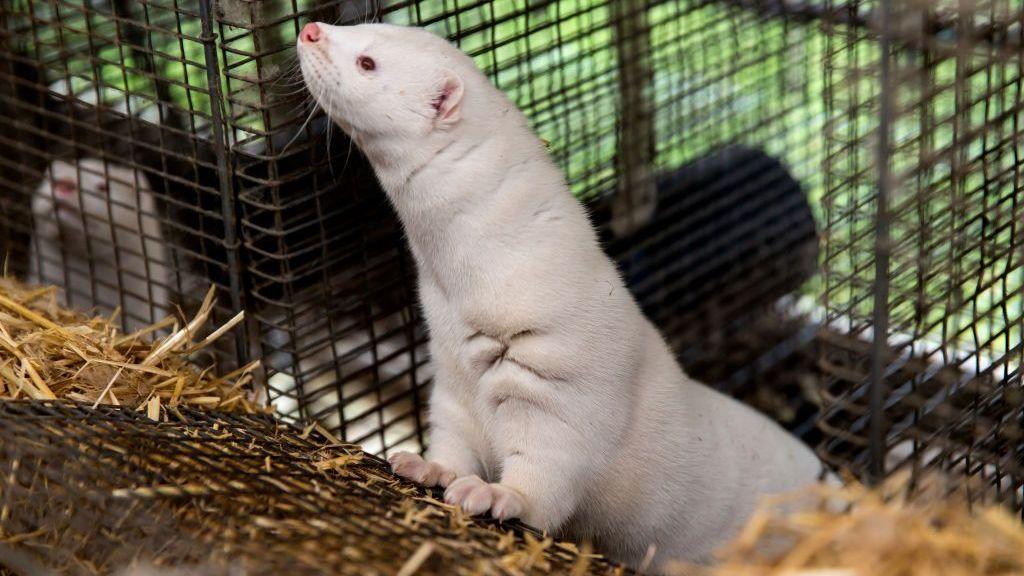
Mink farming will end in Denmark by August 2029 after the government decided to drop plans to pursue an exemption to an EU‑wide ban on the practice.
Denmark was once the world’s largest mink fur producer, but the industry has shrunk sharply in recent years. Global bans on fur, a steep decline in the fur trade, and a 2020 COVID‑variant outbreak in the country’s mink population all contributed to the downturn.
The ban will take effect on 7 August next year, followed by a two‑year transition period during which the seven remaining mink farms will be phased out.
Nature Minister Christian Rabjerg Madsen said the decision came in pursuit of animal welfare. "A business should not continue just because it has existed for a long time. It should also make sense for society, for the economy and for the animals," he said.
When the EU listed the mink as an invasive species in 2025, Denmark initially sought an exemption for its domestic industry. The new coalition government has rejected the exemption this week.
Social Democrat MP Brigitte Vind welcomed the move. "It is absolutely the right decision not to apply for a special scheme for mink breeding in Denmark," she said.
The Danish Mink Association, which represents breeders, has welcomed the decision, though it will now face the closure of its farms.
Mink are especially used for fashion, but their appeal has waned. While some designers eliminated fur from their lines years ago, the product recently resurfaced in celebrity wardrobes.
The country still has approximately 15,000 mink left. No cost estimate has been released for closing the farms, but early figures suggest it could be around 14 million Danish krone (roughly £1.56 million), with potential for higher charges.
The 2020 pandemic cull, in which about 15 million mink were slaughtered after a mutated strain of COVID‑19 was found, had no legal basis for the Danish government; it was later admitted that the mass killing was carried out without statutory authority.
The shift to an animal‑welfare‑first approach signals Denmark’s readiness to adapt its agricultural practices to contemporary ethical standards and global market changes.